Global oil markets react instantly as Middle East tensions ease, triggering sharp price drops and renewed investor confidence worldwide.
Global fuel prices have taken a sharp downward turn following signals that tensions in the Middle East are easing. After a statement from the US President suggesting that the military situation in the region is stabilizing, crude oil markets responded quickly, reflecting a noticeable drop in prices across key benchmarks.
Economic analysts point out that the earlier uncertainty and volatility in global energy markets were largely driven by fears of escalating conflict involving Iran. With recent developments indicating a slowdown in hostilities, that pressure has now eased, allowing markets to regain a degree of stability. This shift in sentiment has played a major role in the sudden decline in oil prices.

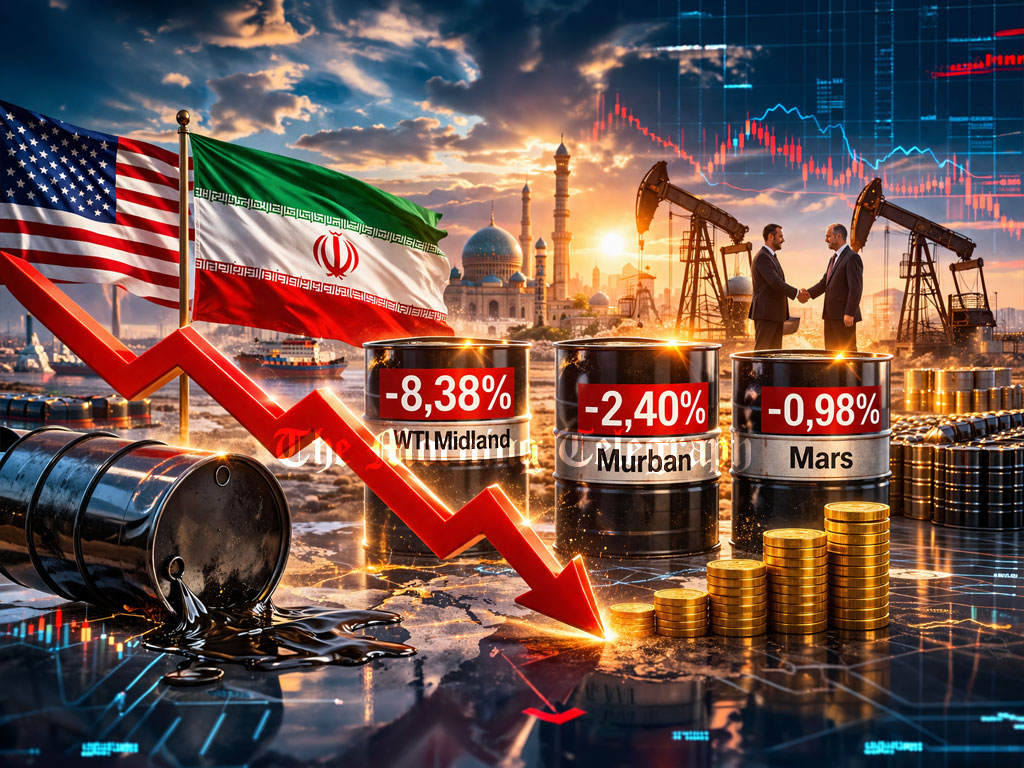
Recent data from the global oil market shows that several major crude oil types recorded price reductions within just 24 hours. The most significant drop was seen in WTI Midland crude, which fell by US dollars 8.57, representing a steep decline of 8.38 percent. This sharp movement highlights how sensitive oil markets are to geopolitical developments and conflict related risks.
Meanwhile, WTI Crude also registered a slight decrease of US dollars 0.38, while Murban Crude saw a more notable drop of US dollars 2.48, equivalent to 2.40 percent. Mars crude oil followed a similar trend, declining by US dollars 1.24 per barrel, marking a reduction of 0.98 percent. These consistent decreases across different crude categories underline a broader cooling trend in global oil pricing.
The primary driver behind this decline is the recently agreed two week ceasefire in the Middle East. This temporary pause in conflict has significantly reduced concerns about disruptions to global oil supply chains, which had previously pushed prices upward. With supply routes appearing more secure, market fears have started to subside.
In addition to the ceasefire, the announcement of upcoming diplomatic talks between Iran and the United States has further boosted investor confidence. Market participants are now looking ahead with cautious optimism, expecting that continued dialogue could lead to a more lasting resolution to the regional tensions.
As a result, analysts predict that if these positive developments continue, oil prices may stabilize further in the coming days. The situation remains closely tied to geopolitical events, but for now, the easing of conflict has provided a welcome relief to global energy markets and economies dependent on fuel imports.