A sweeping political shake-up is unfolding as cabinet reshuffles, corruption allegations, and pressure over Easter Sunday investigations converge, placing key government figures under intense scrutiny and raising questions about accountability and survival of the administration.
As the government moves through a period of significant transition, attention is rapidly shifting toward a possible cabinet reshuffle that could reshape key ministries and redefine political power within the administration. The developments come amid growing controversy, corruption allegations, and mounting public pressure for transparency.

New change in the Energy Ministry
The government has proposed Dr. Anura Karunathilaka, currently serving as Minister of Ports and Aviation, as the next Minister of Energy following the resignation of Kumara Jayakody. This move signals an attempt to stabilise a critical sector at a time when energy policy and governance remain under close public and economic scrutiny. Karunathilaka, who also brings academic experience as a senior lecturer in mathematics at the University of Kelaniya, is expected to officially assume duties in the coming days. Alongside this appointment, discussions are underway regarding broader cabinet-level changes affecting several ministries.
Upheaval in the Defense Sector and Parliament
Political sources suggest that Kumara Jayakody is also preparing to step down from his role as a Member of Parliament, creating further ripple effects within the political landscape. In response, current Defence Secretary Sampath Thuiyakontha is expected to enter Parliament to fill the vacancy, indicating a strategic reshuffle within both the legislative and defence spheres. At the same time, reports indicate that Deputy Minister of Defence Aruna Jayasekara is likely to be removed from his position. This anticipated decision is linked to increasing pressure from the Catholic Church, which has called for greater transparency in the Easter Sunday investigations, particularly due to Jayasekara’s role as Eastern Commanding Officer during the period of the attacks.
Corruption allegations against the Speaker
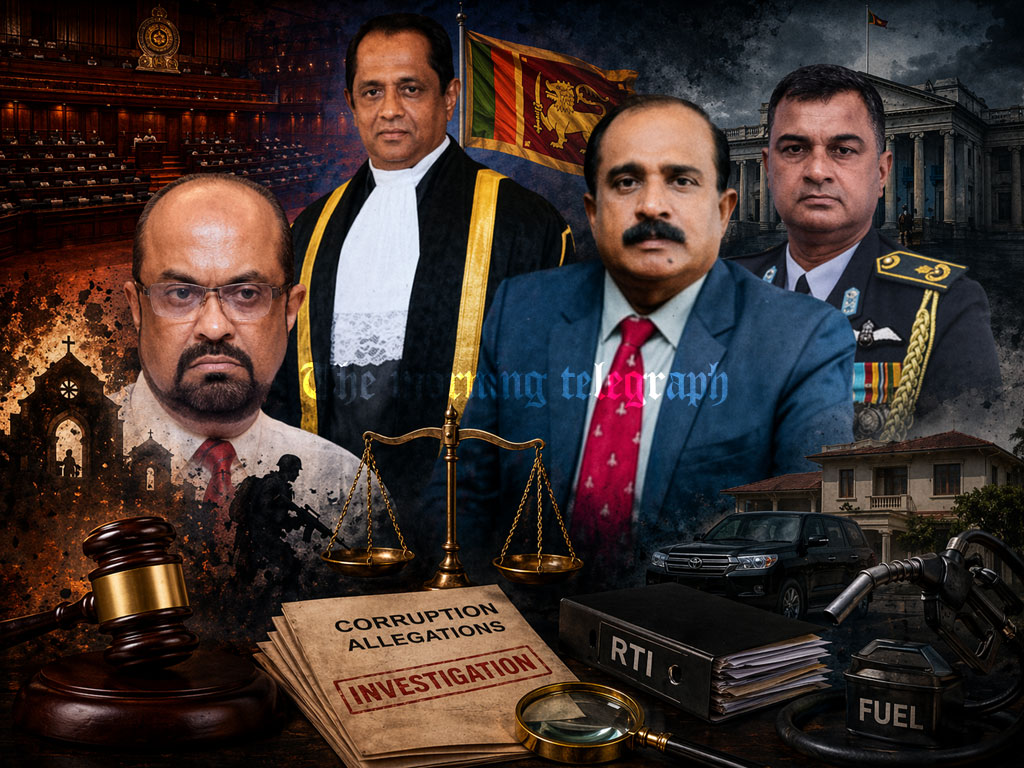
Speaker Jagath Wickramaratne has come under intense criticism amid serious corruption allegations that are said to be damaging the credibility of the current government. Former Secretary General of Parliament Chaminda Kularatne has reportedly submitted a complaint to the Bribery Commission, supported by evidence alleging misuse of government vehicles, official residences, and fuel allowances. It has also emerged that attempts were made to regularise these benefits through a cabinet proposal, but the Prime Minister is said to have withheld approval, further deepening the controversy.
Bribery Commission’s extensive investigation
The Bribery or Corruption Commission has initiated a wide-ranging investigation into the allegations involving both the suspended Deputy Secretary General Chaminda Kularatne and his counter claims against the Speaker. The accusations under review include the alleged illegal acquisition of fuel allowances, misuse of parliamentary media resources for personal purposes, receiving meals without payment, and arbitrary rejection of Right to Information requests. These developments have intensified public discourse on governance, ethics, and institutional accountability.
The government’s future decision is crucial
Given the scale of the allegations against Speaker Jagath Wickramaratne, political analysts suggest that the outcome of these investigations could have serious legal and political consequences, potentially including future prosecution. For a government that came to power on promises of reform and anti-corruption, the handling of this situation during the cabinet reshuffle is being closely watched. Observers argue that decisive action will be critical not only for maintaining public trust but also for safeguarding the legitimacy and long term stability of the Anura Kumara Dissanayake administration.