By Roy Denish.
Sri Lanka prison crisis reveals overcrowding, torture allegations and colonial-era laws still shaping detention conditions.
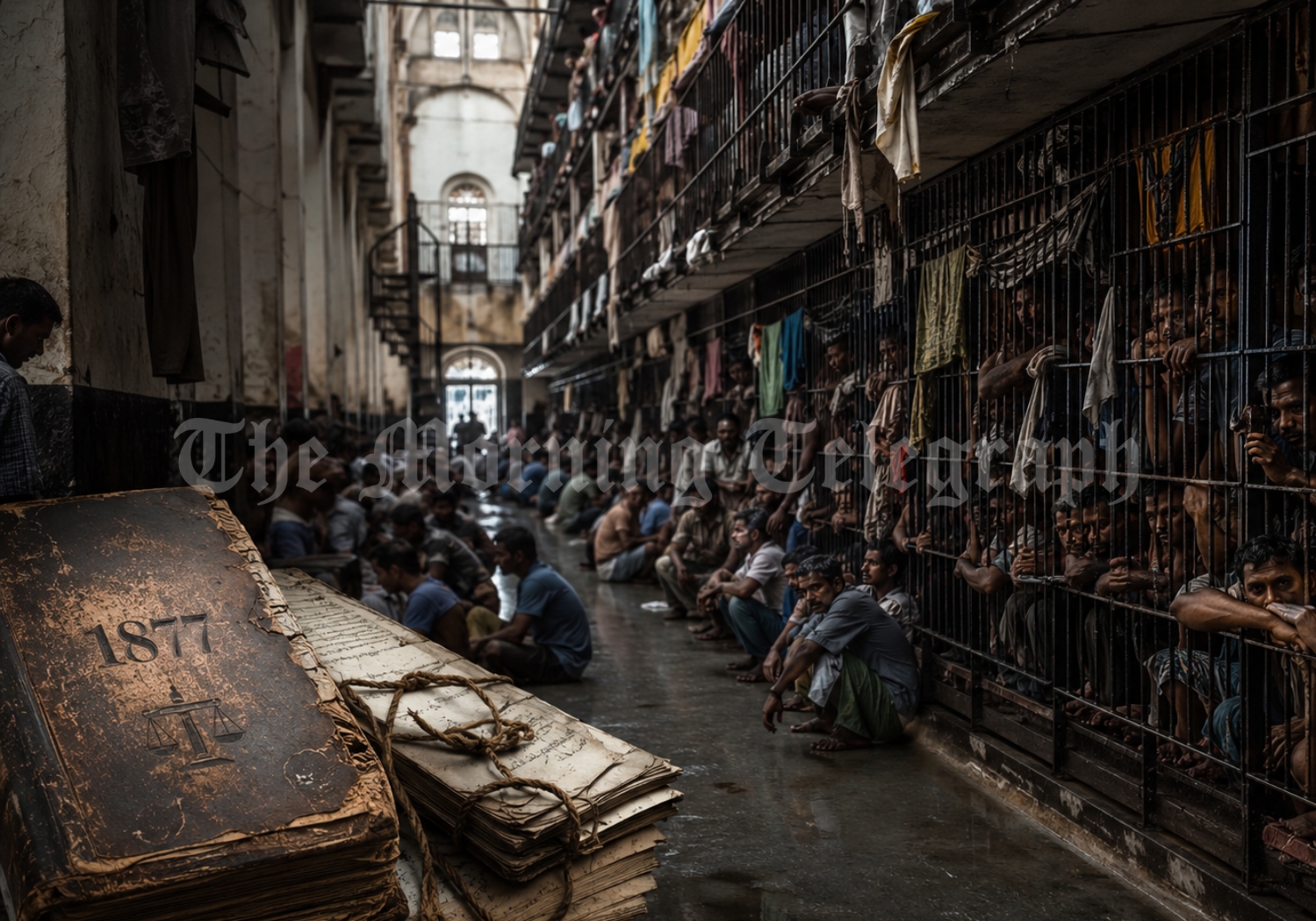
When the Sri Lanka prison crisis still rests on Victorian-era law, the conditions inside should shock no one. Sri Lanka’s prison system continues to depend heavily on the Prison Ordinance of 1877, a colonial relic built for punishment and control rather than modern rehabilitation. Institutional neglect has allowed these facilities to decay from within, turning prisons into one of the country’s clearest, yet routinely ignored, human rights failures.
A scathing new submission to the United Nations Subcommittee on Prevention of Torture by the Committee for Protecting Rights of Prisoners lays out a reality that should disturb citizens. It describes a system shaped by staggering overcrowding, alleged systemic torture, and institutionalized impunity.
Consider the numbers. Sri Lanka’s prisons now operate at nearly 287% of their intended capacity. In any other infrastructure system, that level of failure would trigger an immediate emergency response. Behind the percentage are human beings squeezed into spaces as small as 1.2 square meters. That is barely enough room to turn around, much less live with dignity. In the most congested cells, inmates must sleep in shifts or lie beside raw sewage.

Sri Lanka Prison Crisis Driven By Remand Backlog
Perhaps the most tragic part of this overcrowding is that the state can prevent much of it. More than 65% of the prison population consists of pretrial remand prisoners. These people have not been convicted of a crime. Instead, a sluggish judicial process and an overly punitive bail system trap them in legal limbo.
As a result, the state effectively runs overcrowded warehouses for the unconvicted, while real rehabilitation remains an afterthought. This is not only a prison problem. It is a justice system failure that begins long before an inmate reaches a cell.
Worse still, justice does not function evenly inside prison walls. While poor citizens endure brutal overcrowding, prisoners with political connections or wealthy backgrounds often receive preferential treatment, better food, and private accommodation. True justice demands equality before the law. In Sri Lanka’s prisons, that principle appears to stop at the gate.
Allegations Of Torture And Impunity Inside Prisons
Then comes systemic violence. The U.N. submission documents horrifying allegations of torture, including waterboarding, severe beatings, and sensory deprivation. It also warns of the growing militarization of civilian detention spaces.
When military and Special Task Force personnel take control of prison blocks, civilian oversight disappears. The report’s allegation that detainees have been hidden from inspection teams to conceal signs of abuse points to a deeply entrenched culture that protects abusers instead of victims.
When the state takes custody, it assumes full responsibility for that individual’s life and health. Yet more than 180 custodial deaths were recorded in 2024 alone. Tuberculosis rates inside prisons also track at 100 times the national average. These figures show a state failing its most basic legal duties.
Fixing the Sri Lanka prison crisis requires more than repairs. It demands a fundamental shift in how the legal system understands justice. The judiciary must use alternatives to detention for minor, non-violent offenses far more aggressively. That would immediately reduce the remand backlog choking the system.
Meanwhile, Parliament must finally repeal and replace the outdated 1877 Ordinance. Sri Lanka needs modern prison legislation for rehabilitation, transparency, and strict human rights compliance. The government must also demilitarize detention facilities and allow independent, unannounced inspections by human rights bodies. Only then can the cycle of abuse begin to break.
True justice does not depend on how harshly a society punishes people. It depends on how it treats those it holds captive. Allowing these structural abuses to continue will not make Sri Lanka safer. Instead, it will erode the moral foundation of the entire legal system. It is long past time to drag the penal system out of the 19th century.