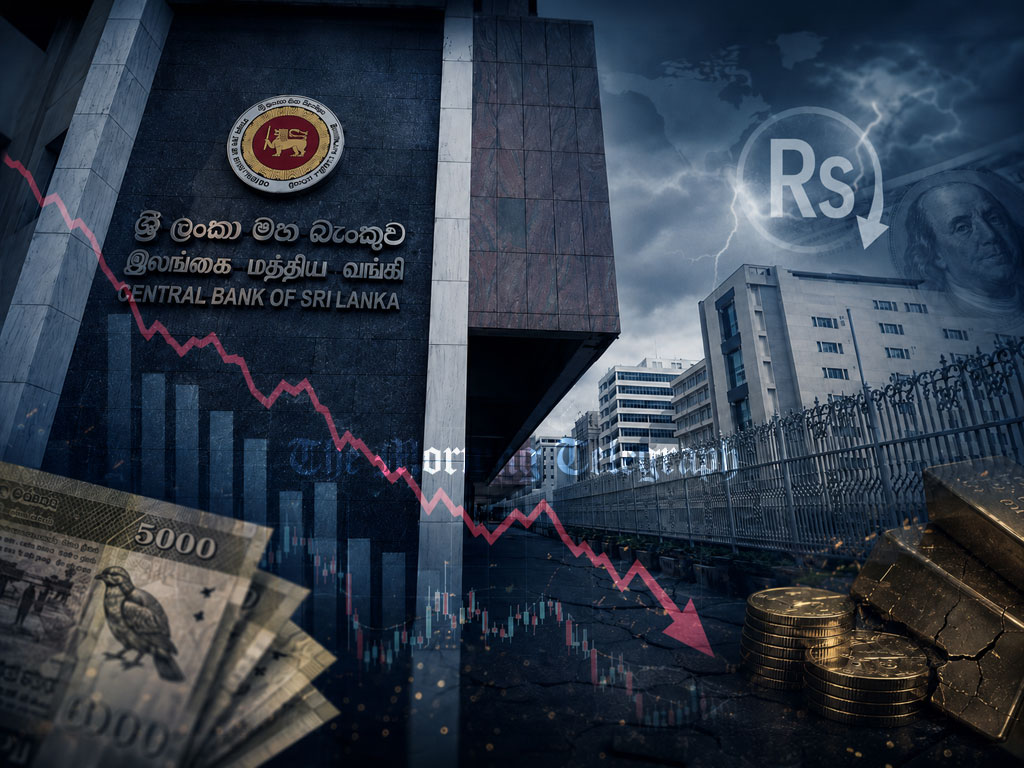
Sri Lanka foreign reserves fell by $431 million in June 2026 as lower foreign currency and gold holdings intensified economic concerns.
Sri Lanka foreign reserves recorded a sharp decline in June 2026, falling by $431 million as both foreign currency and gold holdings dropped.
Official reserve assets decreased from $6.881 billion in May to $6.450 billion in June, according to new Central Bank of Sri Lanka data.
The monthly decline amounted to approximately 6.3%, placing renewed attention on the country’s external financial position and its ability to protect the economic recovery.
Foreign currency reserves accounted for most of the fall. They dropped by $407 million, from $6.661 billion in May to $6.254 billion in June.
Meanwhile, Sri Lanka’s gold reserves declined by $25 million. The country held $191 million in gold reserves at the end of June.

External Pressures Hit Sri Lanka Foreign Reserves
The reserve decline comes as Sri Lanka faces renewed external pressures that are straining its foreign exchange position.
Rising energy costs, partly linked to geopolitical tensions, have increased the country’s import bill. They have also revived concerns about currency weakness and widening financial deficits.
The government has responded through monetary tightening and several administrative measures.
In May 2026, authorities introduced a surprise 100-basis-point interest rate increase. It marked the first such rate hike in more than three years.
The government also increased fuel prices by 40% and imposed higher import duties on vehicles.
Meanwhile, authorities introduced energy-saving measures, including mid-week public holidays. These measures aimed to reduce demand and limit the use of foreign currency.
However, the simultaneous decline in foreign currency and gold reserves has drawn particular concern from economists and financial analysts.
Economists Raise Stability Concerns
Foreign reserves act as a crucial economic buffer. They help countries meet import payments, service foreign debt and manage pressure on their currencies.
“The steady decline in foreign reserves remains one of the most critical challenges facing the economy,” analysts monitoring Sri Lanka’s macroeconomic indicators warned.
A weaker rupee, rising public debt and mounting disaster-related losses have added further pressure to the country’s fiscal position.
The Sri Lankan rupee has weakened from Rs. 293.25 against the US dollar last year to around Rs. 309.45.
That depreciation has increased the local-currency cost of servicing foreign debt. It has also raised the cost of imported goods, raw materials and domestic production.
The latest fall in Sri Lanka foreign reserves has therefore renewed questions about whether the country can maintain economic stability while managing higher external costs.
IMF Targets Come Under Pressure
Sri Lanka continues to operate under a $2.9 billion programme with the International Monetary Fund.
The programme includes strict targets covering primary budget surpluses, inflation and reserve accumulation.
The latest reserve decline raises questions about Sri Lanka’s ability to meet those targets while preserving its fragile economic recovery.
The IMF Executive Board was scheduled to meet in late May to consider releasing $700 million in two tranches.
Those funds were expected to strengthen reserves and provide additional support for the country’s external position.
However, the June figures indicate that significant pressure remains despite the government’s tightening measures and IMF-backed reforms.
A Difficult Balance for Policymakers
Analysts say Sri Lanka faces a major test of fiscal discipline and policy coordination during the coming months.
The government must protect reserves without excessively restricting credit, private investment and economic growth.
The Central Bank’s policy shift suggests a renewed focus on preventing another external financial crisis.
However, officials must maintain a difficult balance. Excessive tightening could slow the recovery and weaken investment.
Moving too slowly could place further pressure on the rupee, inflation and Sri Lanka foreign reserves.
The coming months will show whether the government can contain external pressures, rebuild its financial buffers and stabilise the country’s reserve position without damaging the broader recovery.