Trump Iran retaliation intensifies after 17 US troops die, more than 430 are injured and American strikes continue against Tehran.
The Trump Iran retaliation threat has pushed the conflict into a more dangerous phase after the American military death toll reached 17.
President Donald Trump warned that Iran would pay “many times over” for every American life lost. Reuters reported that more than 430 US service members have suffered injuries since the war began. The Pentagon said most of those injured later returned to duty.

Trump said he had issued instructions to senior military leaders following the latest deaths. He is also expected to attend the return of fallen service members at Dover Air Force Base.
The casualty increase changes the political and military pressure surrounding the conflict. Earlier attention centred on attacks spreading into Gulf countries and disruption in the Strait of Hormuz. Washington must now respond to mounting losses among its own forces.
Trump Iran Retaliation Raises Escalation Fears
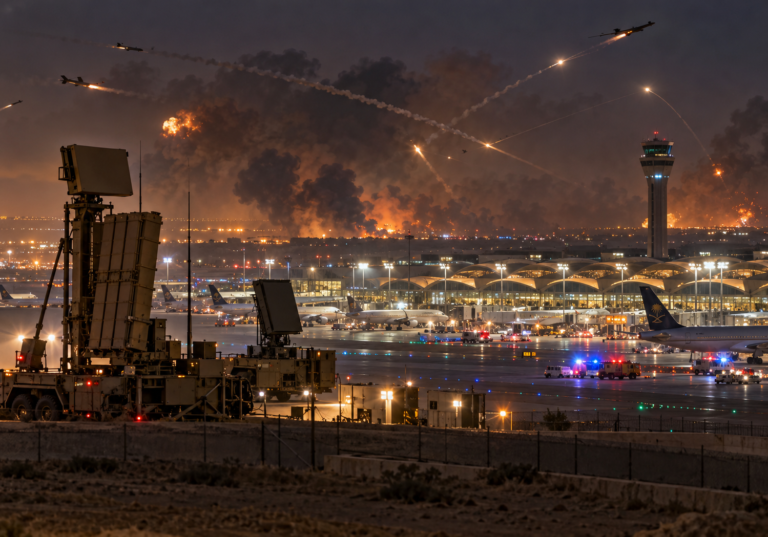
The United States carried out a tenth consecutive night of strikes against Iran as its military campaign continued. The Associated Press reported that the operations aimed to weaken Tehran’s ability to attack commercial vessels and restore movement through the Strait of Hormuz.
Iran, meanwhile, continued launching missiles and drones towards countries hosting American forces. Jordan, Bahrain and Kuwait have all faced attacks or threats during the widening confrontation.
The latest exchanges have created a cycle in which every military death increases demands for retaliation. Each new American strike also gives Tehran another reason to answer against US-linked targets elsewhere in the region.
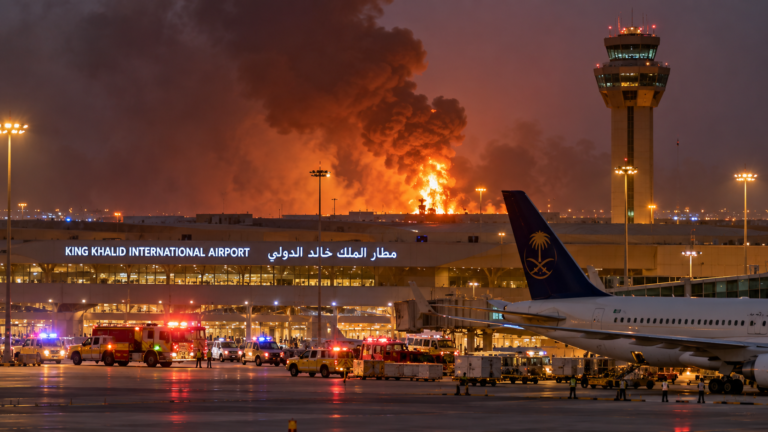
That pattern leaves neighbouring states exposed even when they are not leading the war. Military bases, airports, ports and essential public services remain vulnerable to missiles, drones and falling debris.
US Casualties Increase Pressure on Trump
The growing American casualty toll is also sharpening debate inside the United States. Trump faces pressure to punish Iran heavily, protect deployed forces and explain how continued strikes will produce an end to the conflict.
The administration must also confront questions about military objectives, troop protection and the possibility of further deaths. A stronger response could reduce Iran’s immediate capacity to attack. However, it could also trigger another wave of retaliation against American personnel and regional allies.
This follow-up therefore marks a change in the central story. The conflict is no longer defined only by threats to Gulf infrastructure, shipping and global oil supplies.
It is now increasingly shaped by American deaths and the political consequences they carry. Trump’s promise of retaliation may satisfy demands for a forceful response. However, it also risks pushing the United States and Iran further into a war with no clear exit.