The PTA repeal bill has been finalised as the Government plans stronger COPA powers, new bribery courts and 23 regional CIABOC offices.
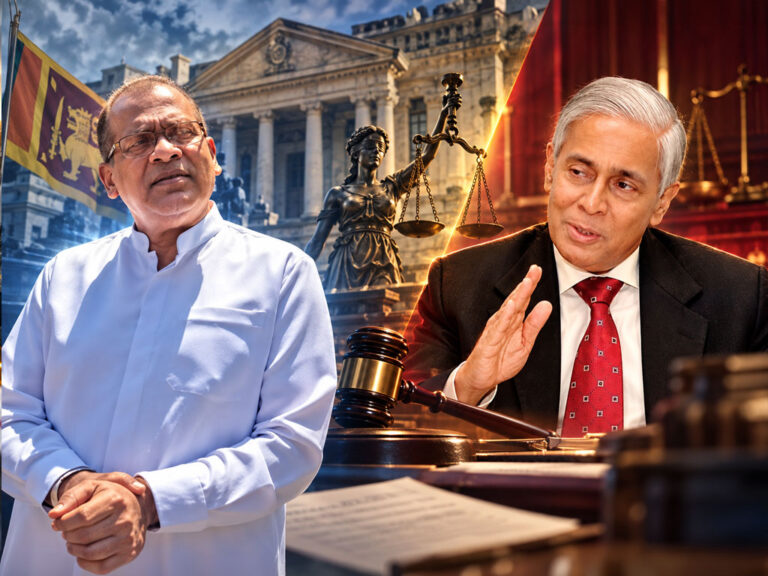
The PTA repeal bill has been finalised by a Cabinet-appointed committee, Justice and National Integration Minister Harshana Nanayakkara told Parliament today (21).
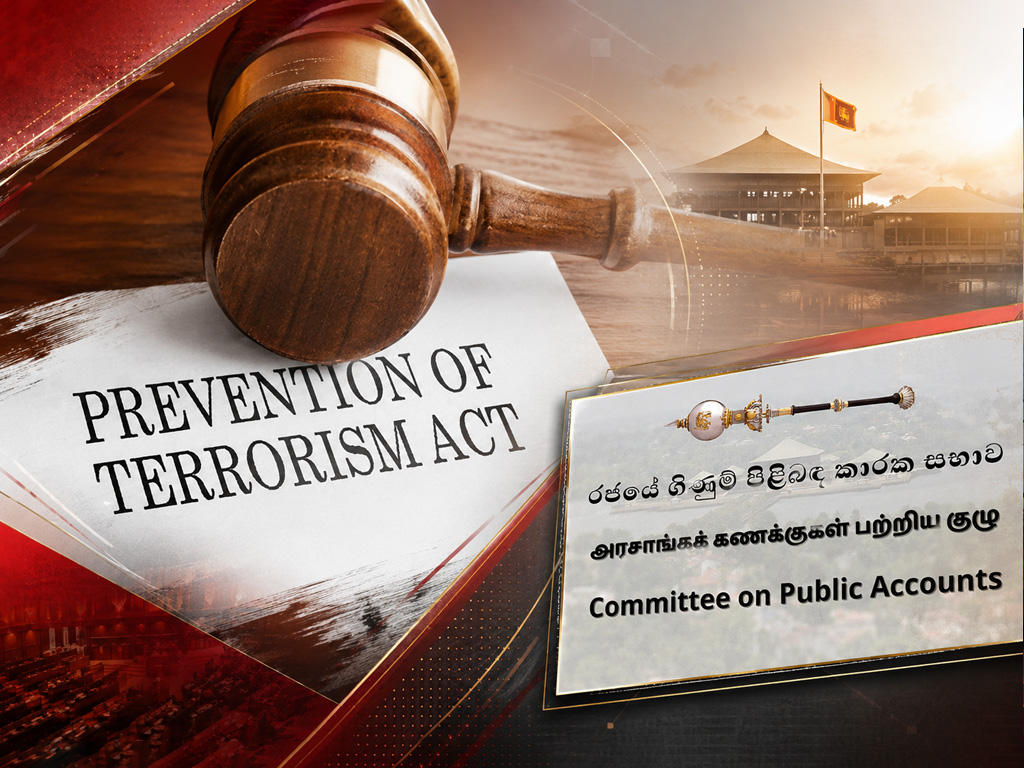
The Minister said the draft legislation would completely abolish the existing Prevention of Terrorism Act once Parliament considers and approves it.
Nanayakkara made the announcement while responding to a question raised by Parliamentarian and lawyer Ajith P. Perera.
The development marks a major step towards repealing the long-criticised law. However, the draft must still complete the parliamentary approval process before the current Act ceases to operate.

PTA Repeal Bill Presented Alongside COPA Reforms
The Minister also addressed proposed reforms involving the Committee on Public Accounts, known as COPA, and the Committee on Public Enterprises, known as COPE.
He spoke during a debate on approving two Standing Orders connected to the parliamentary oversight committees.
Nanayakkara said the Government intended to transform COPA from what he described as a nominal body into an institution with meaningful authority.
Under the proposed amendments, COPA could directly forward reports involving financial irregularities and fraud to relevant law enforcement bodies.
These institutions include the Criminal Investigation Department, the Commission to Investigate Allegations of Bribery or Corruption and the Attorney General.
The new mechanism would allow those agencies to begin legal action without unnecessary delay after receiving COPA findings.
New Bribery Courts and Regional Offices Planned
The Minister rejected allegations that the Government’s anti-corruption programme was intimidating or victimising public officials.
He said COPA’s role was to guide state officers so they could perform their duties independently, lawfully and correctly.
Nanayakkara also stressed that Parliament was not attempting to carry out police functions through the committee system.
The Government has already established three new courts dedicated to hearing bribery cases, he said.
Meanwhile, discussions are continuing on plans to establish 23 regional offices of the Bribery Commission. The proposed expansion aims to make anti-corruption enforcement more efficient across the country.
Government Cites Major Drug Seizures
Responding to opposition comments about drug trafficking, the Minister said authorities had seized nearly 25 tonnes of narcotics during the recent period.
He said the confiscated drugs included heroin, marijuana and crystal methamphetamine, commonly known as ice.
Nanayakkara added that the Government had begun bringing alleged fraudsters and thieves before the law without considering political affiliations.
He said the results of those legal actions would become more visible in the future.
The finalised PTA repeal bill, expanded COPA authority and proposed regional anti-corruption network signal a broader attempt to reshape Sri Lanka’s legal and accountability framework.