Sri Lanka dollar racket investigators identify six companies in a probe into alleged overseas transfers exceeding Rs. 190 billion.
The Sri Lanka dollar racket investigation has widened after the Criminal Investigation Department told a Colombo court that 21 leading companies may have links to alleged overseas transfers exceeding Rs. 190 billion.
The Financial Crimes Division of the CID presented details of the investigation before Colombo Chief Magistrate Asanga S. Bodaragama on Thursday, July 23.
Investigators alleged that companies transferred more than USD 700 million overseas under the cover of legitimate imports. However, Sri Lanka Customs reportedly had no corresponding records showing that goods entered the country for thousands of those transactions.
The investigation raises serious questions about corporate compliance, foreign exchange controls and possible weaknesses in data-sharing between banks and Sri Lanka Customs.
The allegations remain under investigation and have not resulted in findings of guilt against the companies named or examined.

Six Companies Identified in Sri Lanka Dollar Racket
The CID told the court that investigators suspect 21 prominent Sri Lankan companies of involvement in the alleged scheme.
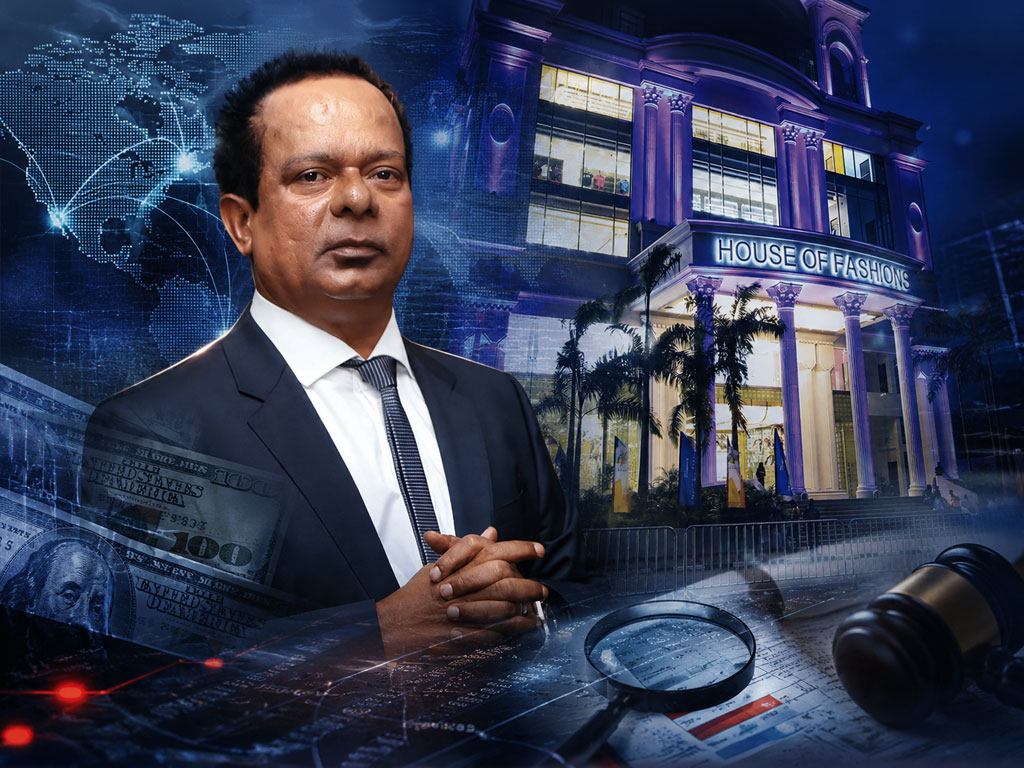
According to the CID’s submission, officers have identified six companies so far. Investigators named House of Fashion Mall as one of them.
“Regarding the transfer of dollars abroad with a value exceeding Rs. 190 billion under the guise of importing goods, six companies have so far been identified, and a company named House of Fashion Mall is among them,” the CID told the court.
The company’s inclusion in the CID submission represents an allegation presented during an ongoing investigation. The court has not ruled that House of Fashion Mall or any other company committed an offence.
Investigators are also examining accounts connected to 36 companies, according to the case details presented. The CID expects to establish whether additional businesses participated in the alleged transactions.
The scale of the inquiry could make it one of Sri Lanka’s most significant investigations into suspected foreign exchange abuse involving commercial import arrangements.
More Than 10,000 Overseas Transactions Examined
The CID identified remanded suspect Jeffrey Mohamed as an alleged facilitator of the operation.
Investigators claimed that Mohamed represented himself as a director of A.Y. Investment, based in the Colombo Fort area. They alleged that companies used his services to transfer dollars overseas through import documentation.
The Financial Crimes Division told the court that money had left Sri Lanka on 10,156 occasions. However, Customs reportedly had no records of goods entering the country in connection with those payments.
“Money has been sent abroad on 10,156 occasions, but there is no record with Customs of goods imported with that money,” investigators told the court.
The CID said it was also examining whether the transactions involved under-invoicing designed to reduce taxes payable to the Government.
However, investigators have not yet established the full purpose of every transaction. The inquiry must also determine whether the missing Customs records resulted from fraud, under-invoicing, documentation failures or other irregularities.
The alleged transactions highlight the need for closer coordination between commercial banks, Customs and financial crime investigators.
Court Rejects Bail Request
The CID opposed bail for Mohamed, arguing that his release could obstruct the investigation.
Officers told the court that the suspect had failed to identify other companies allegedly connected to the transactions. They also claimed that he had not fully cooperated with investigators.
Authorities reportedly recovered foreign currency, gold and a luxury vehicle valued at more than Rs. 20 million during the investigation. These assets remain subject to the ongoing inquiry, and their alleged connection to criminal activity has not yet been finally determined.
President’s Counsel M.A. Swayer and Attorney Asanka Perera, appearing for the suspect, sought bail. The defence maintained that the required goods had been imported.
Nevertheless, Chief Magistrate Bodaragama rejected the application.
“Considering factors including attempts to conceal evidence and evade the court, it cannot be expected that the suspect will cooperate with such an investigation in the future,” the Magistrate said in the order.
The court consequently remanded Mohamed until August 6.
The case now extends far beyond the conduct of one alleged facilitator. Investigators must establish how the transfers occurred, which companies authorised them and whether banking or Customs controls failed.
As the Sri Lanka dollar racket investigation continues, authorities will also need to distinguish proven violations from companies or transactions merely under examination.
A thorough, transparent investigation could help recover public revenue, strengthen import controls and ensure that anyone responsible faces the law. Equally, investigators must preserve due process and avoid treating allegations as established guilt before the courts reach their conclusions.