Sri Lanka Indigenous Bill faces concern after Uri Warige Wannila Aththo says his community was not consulted or shown the proposed legislation.
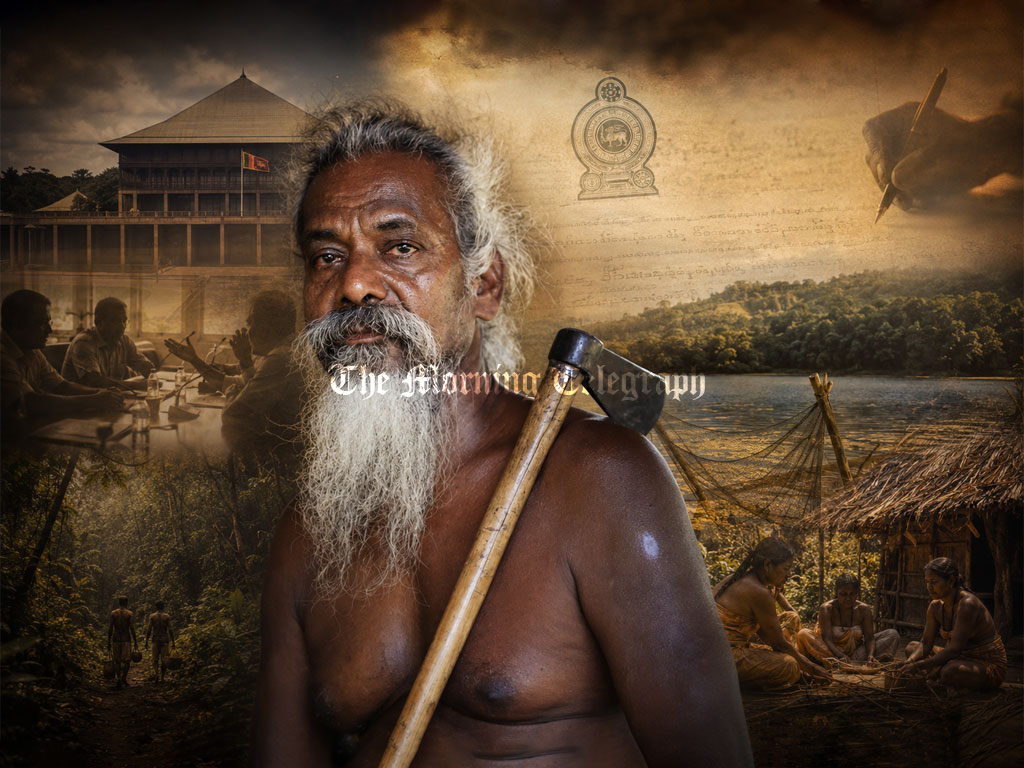
Sri Lanka’s Sri Lanka Indigenous Bill has drawn concern from indigenous leader Wannila Aththo, who says neither he nor his community knows what the proposed legislation contains.
Wannila Aththo, the national leader of the indigenous community, said authorities should have informed them about the contents before presenting the legislation to Parliament.
He expressed deep regret that officials had not consulted indigenous people or sought their views while drafting a law intended specifically for their community.
His comments follow statements made by the Prime Minister on Indigenous Day that the proposed legislation would help resolve problems faced by Sri Lanka’s indigenous population.
Wannila Aththo said he was now waiting to see whether those assurances would become a reality on the ground.
He also pointed out that promises made when the Prime Minister previously visited his home have still not been implemented.
Get
Breaking News
First
on WhatsApp
Follow The Morning Telegraph for instant alerts, top stories and exclusive updates delivered straight to your phone.

Sri Lanka Indigenous Bill Raises Consultation Concerns
The indigenous leader acknowledged that laws must change as circumstances and national needs evolve.
Without such changes, he said, moving the country forward would become difficult.
However, Wannila Aththo stressed that lawmakers must give particular consideration to the country’s different peoples, lineages and cultures when drafting legislation that directly affects them.
He recalled discussions held during the administration of former President Ranil Wickremesinghe.
At that time, he travelled to Parliament and discussed issues affecting indigenous communities.
Lengthy consultations reportedly involved the Mahaweli, Cultural, Environment and Justice Ministries.
Officials from the Wildlife Department, Forest Conservation Department, Attorney General’s Department and Coast Guard teams were also involved in those discussions.
However, the process of amending the laws stalled after the government changed.
Wannila Aththo said that after the current administration came to power, efforts were made to brief the new ministers on the unresolved issues.
The current Prime Minister also visited his home, where discussions took place and some agreements were reached.
However, according to the indigenous leader, those agreements have still not been implemented.
Gazette Prepared but Indigenous Leader Says He Has Not Seen It
Wannila Aththo said he recently learned through a letter and telephone call that authorities had prepared a gazette notification relating to the proposed bill.
He then requested that officials send him the gazette before publication so he could examine its contents.
However, he said he has still not received a copy.
The lack of access has intensified concerns surrounding the Sri Lanka Indigenous Bill, particularly because indigenous communities could be directly affected by its provisions.
Wannila Aththo also highlighted problems with previous agreements intended to protect indigenous rights.
He said authorities had signed memorandums of understanding and issued identity cards over the years.
However, when matters reached court, it emerged that those agreements lacked legal validity, he said.
The indigenous leader also questioned the practical meaning of previous assurances concerning access to forests and traditional fishing.
Although permission was said to have been granted for traditional forest access and fishing, he said authorities had not clearly identified which tanks indigenous communities could use.
He noted that the main nearby water bodies include large reservoirs such as Maduru Oya and Ulhitiya.
Questions also remain over traditional fishing practices.
According to Wannila Aththo, agreements have not clarified whether practices such as blocking streams with nets are legally permitted under the arrangements.
Indigenous Communities Want Direct Role in New Laws
Wannila Aththo said authorities must directly consult indigenous communities when preparing legislation or gazette notifications that affect their lives.
Those discussions, he said, should address the actual difficulties indigenous people face.
Authorities should also clearly explain what relief, legal protections and freedoms new measures would provide.
Without direct consultation, he warned, the government risks producing gazettes and signing agreements that make little practical difference to indigenous communities.
His central concern is that laws intended to protect indigenous people should not be developed without meaningful participation from the people they are designed to serve.
The indigenous leader therefore wants the government to disclose the proposed legislation, explain its provisions and allow the affected community to contribute before it advances further.
For Wannila Aththo, the test of the Sri Lanka Indigenous Bill will not be the promises surrounding it, but whether indigenous people are consulted and whether the law produces meaningful change in their daily lives.