By Roy Denish.
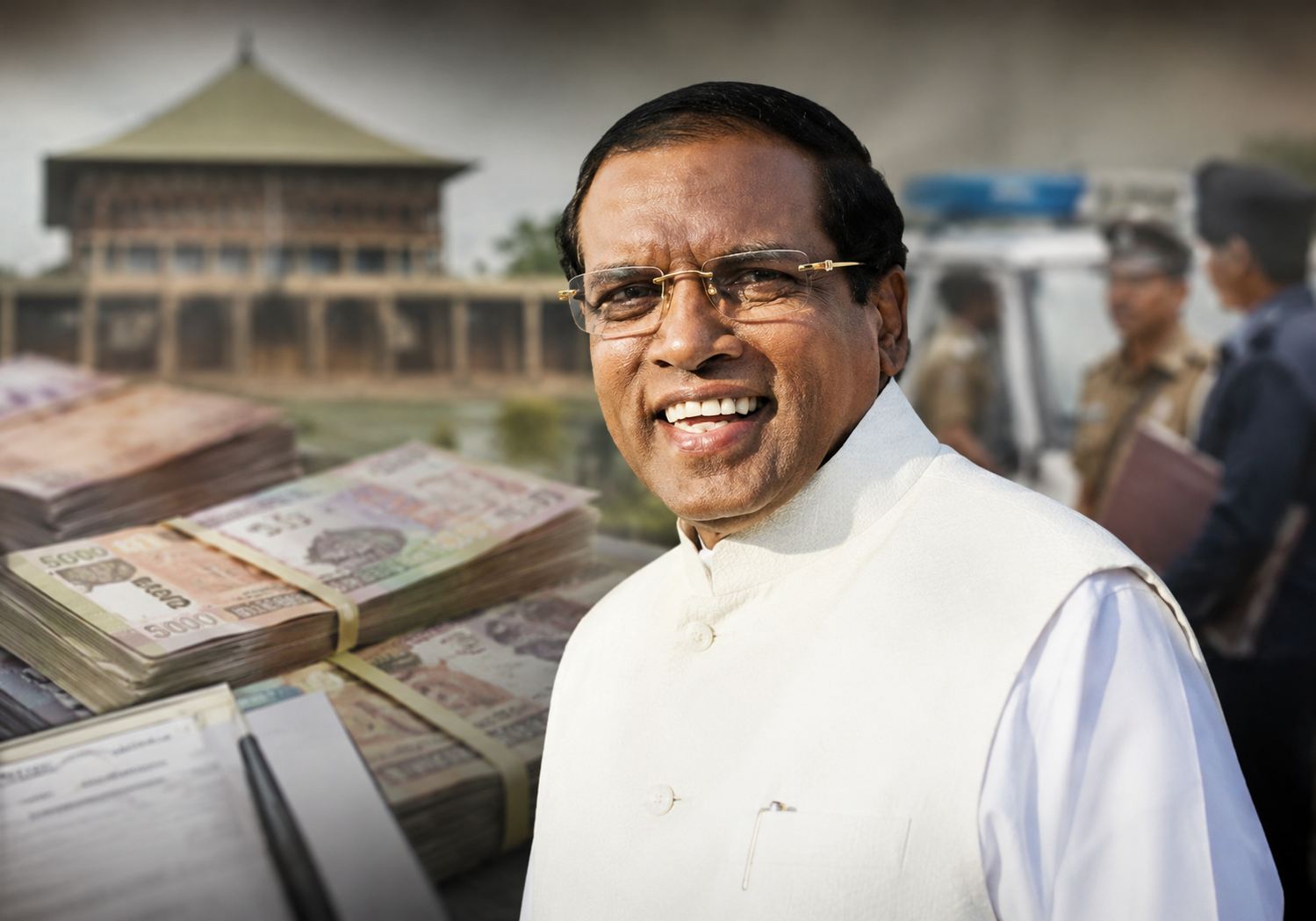
Sirisena payment allegation links an SLFP organizer appointment to alleged multimillion-rupee payments, raising political finance concerns.
COLOMBO, Sri Lanka — A Sirisena payment allegation has raised fresh questions over political financing and accountability after investigative journalist and former Sri Lanka Air Force intelligence officer Keerthi Rathnayake accused Nadeem Basik of paying substantial sums to secure a Sri Lanka Freedom Party post.
Rathnayake alleged that Nadeem Basik, the son of alleged drug trafficker Shiran Basik, obtained the SLFP organizer position for the Dehiwala constituency after making cash payments running into tens of millions of rupees to former President Maithripala Sirisena.
According to recent media reports, Nadeem Basik later carried out political activities in Dehiwala and made financial contributions to local Buddhist temples. The reports also allege that after Shiran Basik was arrested and extradited to Sri Lanka, a significant amount of his money remained in the custody of Buddhist monk Ven. Wellawatte Hakmana Nandaloka Thero.
Rathnayake said he had previously raised concerns about the same monk’s alleged connection to funds linked to criminal figure “Harak Kata.” However, no official law enforcement response or publicly confirmed investigation into those claims has been reported to date.

Sirisena Payment Allegation Raises Finance Questions
Rathnayake also criticized what he described as weak financial transparency among major political entities. He argued that local welfare societies often keep clear financial records, while political parties handling large cash flows face limited public scrutiny over donors and funding sources.
If authorities formally investigate and substantiate the claims, several Sri Lankan laws could become relevant. The Anti-Corruption Act No. 9 of 2023 gives the Commission to Investigate Allegations of Bribery or Corruption powers relating to the investigation and prevention of corruption.
The Prevention of Money Laundering Act No. 5 of 2006 addresses proceeds linked to unlawful activity. Meanwhile, the Regulation of Election Expenditure Act No. 3 of 2023 regulates election expenditure and related financial reporting requirements.
Rathnayake further said that public demands for political reform cannot immediately transform Sri Lanka’s civil service and police cadre of 1.8 million personnel. He described systemic anti-corruption enforcement as a continuing institutional challenge requiring broader structural change, stronger oversight, and sustained institutional enforcement across the state.