Written By Roy Denish.
Fiji HIV emergency measures intensify as more than 2,000 diagnoses and rising prevalence prompt a nationwide health response.
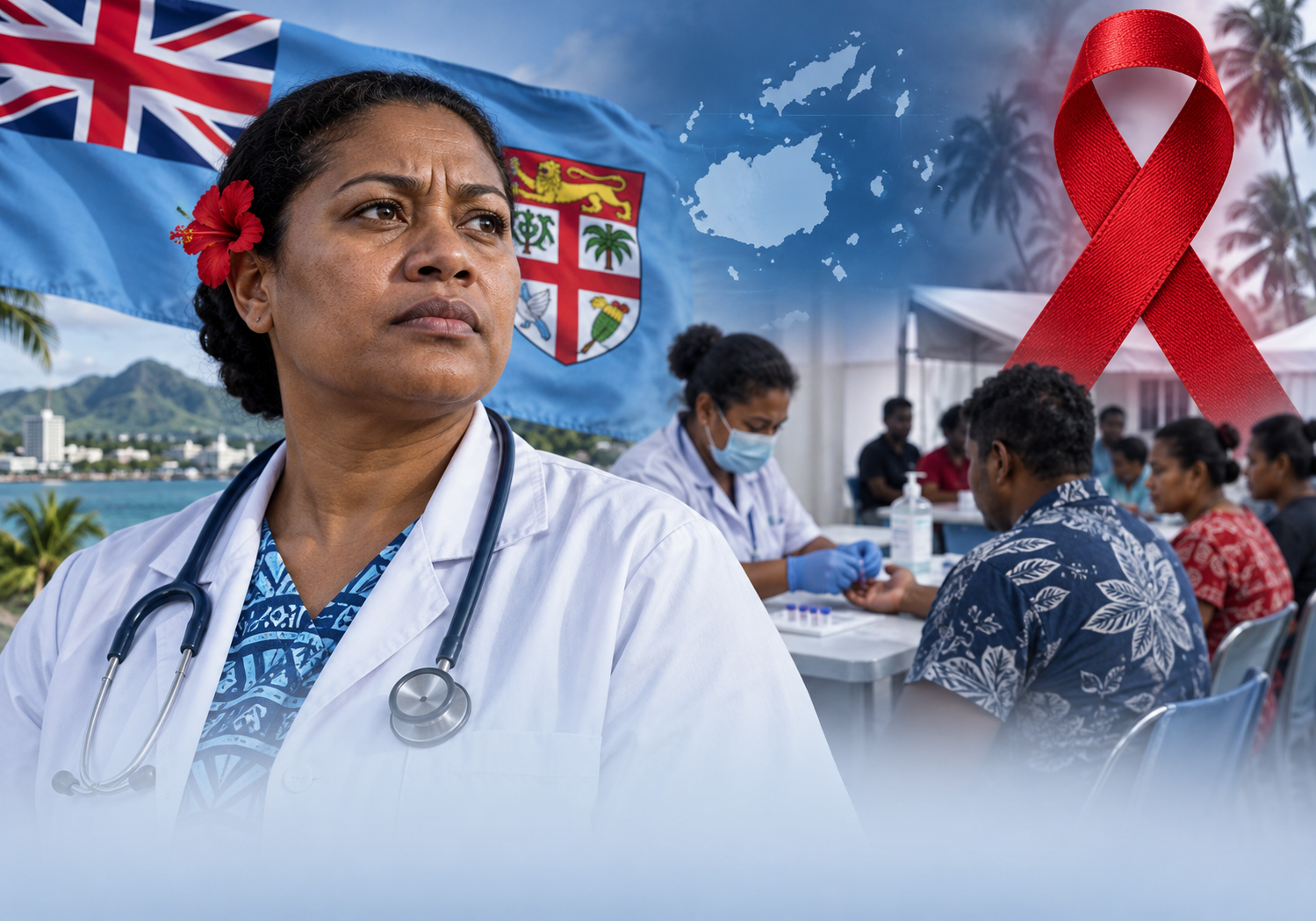
Fiji’s government has officially declared a national emergency in response to an escalating HIV epidemic that health authorities warn has severely outpaced existing containment efforts.
The declaration comes as new Ministry of Health estimates reveal that approximately one in every 60 adults in the island nation is now living with the virus. Health Minister Dr. Ratu Atonio Lalabalavu announced the alarming statistics, noting that Fiji recently recorded more than 2,000 new HIV diagnoses, while prevalence among pregnant women attending antenatal care climbed to about 2%.

Public health officials attribute the rising numbers to a combination of expanded testing and deeply rooted socio-economic vulnerabilities, compounded by widespread social stigma that often prevents individuals from seeking early screening and treatment.
Recognizing that traditional health measures are no longer sufficient to curb transmission, the Fijian Cabinet has approved an aggressive, multi-sector emergency response strategy. The government is rapidly scaling up access to life-saving antiretroviral treatment, pre-exposure prophylaxis, and harm-reduction initiatives, including the introduction of a formal needle and syringe programme.
To ensure the crisis is addressed with urgency across government departments, a dedicated five-minister subcommittee has been established to cut through administrative hurdles, secure essential medical supplies, and train frontline healthcare workers.
Beyond clinical interventions, authorities are emphasizing the critical need for a united cultural response. The government is actively engaging with traditional leaders, local communities, and faith-based organizations to dismantle the intense stigma surrounding HIV, encouraging citizens to get tested and remain in care without fear of marginalization.