By Roy Denish
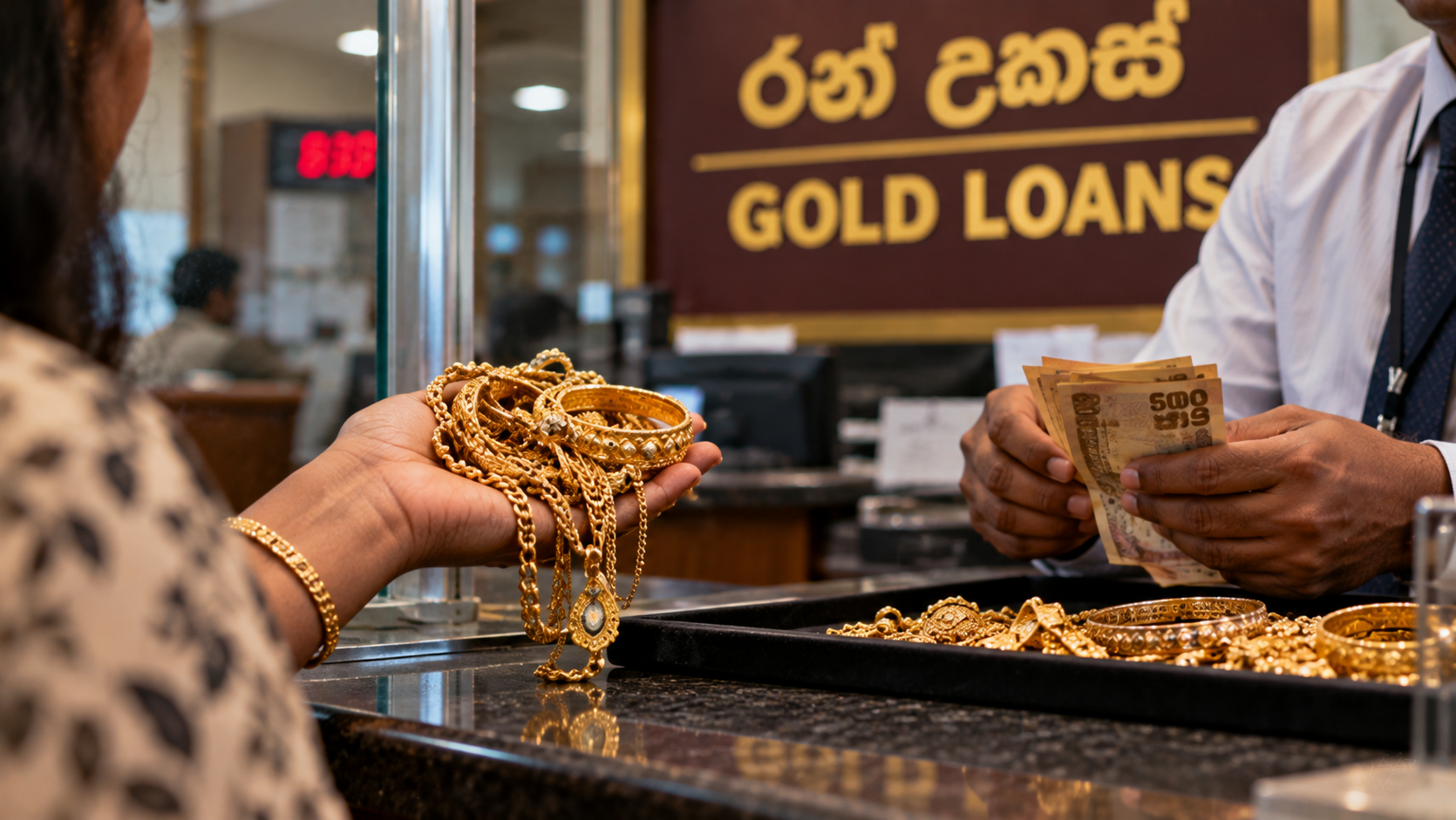
Sri Lanka gold pawning reportedly rose 16.12% in the first five months of 2026, prompting debate over household finances and economic recovery.
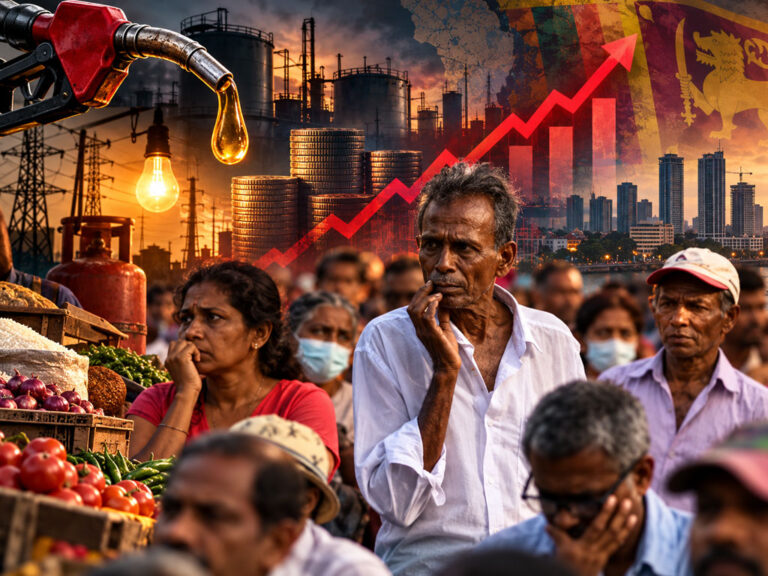
COLOMBO, Sri Lanka – A sharp increase in gold pawning across Sri Lanka has become the focus of renewed debate over the financial pressures facing middle- and working-class households, with opposition lawmakers arguing that broader national economic recovery has yet to fully reach ordinary citizens.
Data cited by opposition politicians indicate a 16.12 percent increase in gold pawning activity during the first five months of the year.
Lawmakers, including Samagi Jana Balawegaya (SJB) parliamentarian Harshana Rajakaruna, have linked the rising reliance on short-term borrowing against family jewellery to household struggles involving daily expenses, utility bills, and other living costs.

Gold-backed lending has historically served as an important source of emergency liquidity for Sri Lankan families, particularly during periods of economic stress.
However, sustained reliance on pawning may also leave households with fewer financial assets if loans cannot be repaid and pledged jewellery is forfeited.
While macroeconomic indicators have shown signs of stabilisation following Sri Lanka’s severe 2022 economic and debt crisis, questions remain over how evenly improvements are being experienced across different household income groups.
Opposition politicians have criticised the government’s pace in delivering economic relief to low- and middle-income households, arguing that national recovery indicators do not necessarily reflect the financial circumstances experienced by families at ground level.
As commercial banks and finance companies continue adapting to changes in consumer lending, the extent of Sri Lanka’s reliance on gold-backed loans remains an important indicator of household liquidity and financial stress.