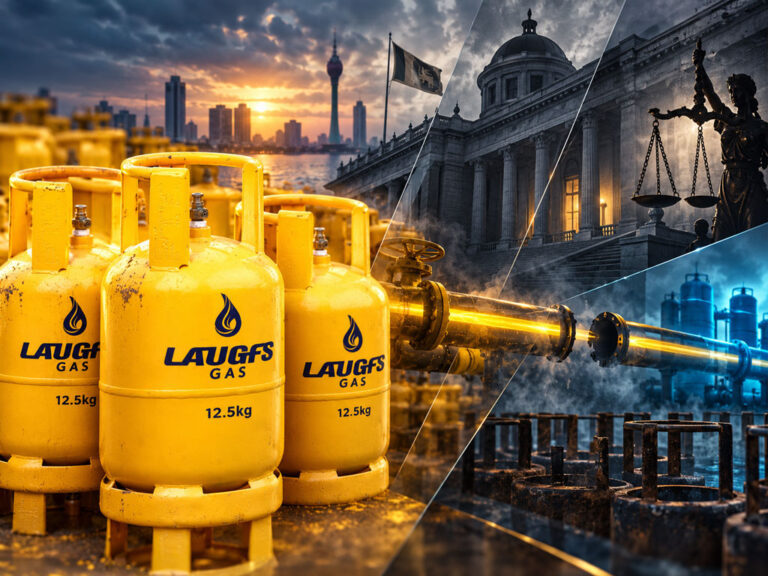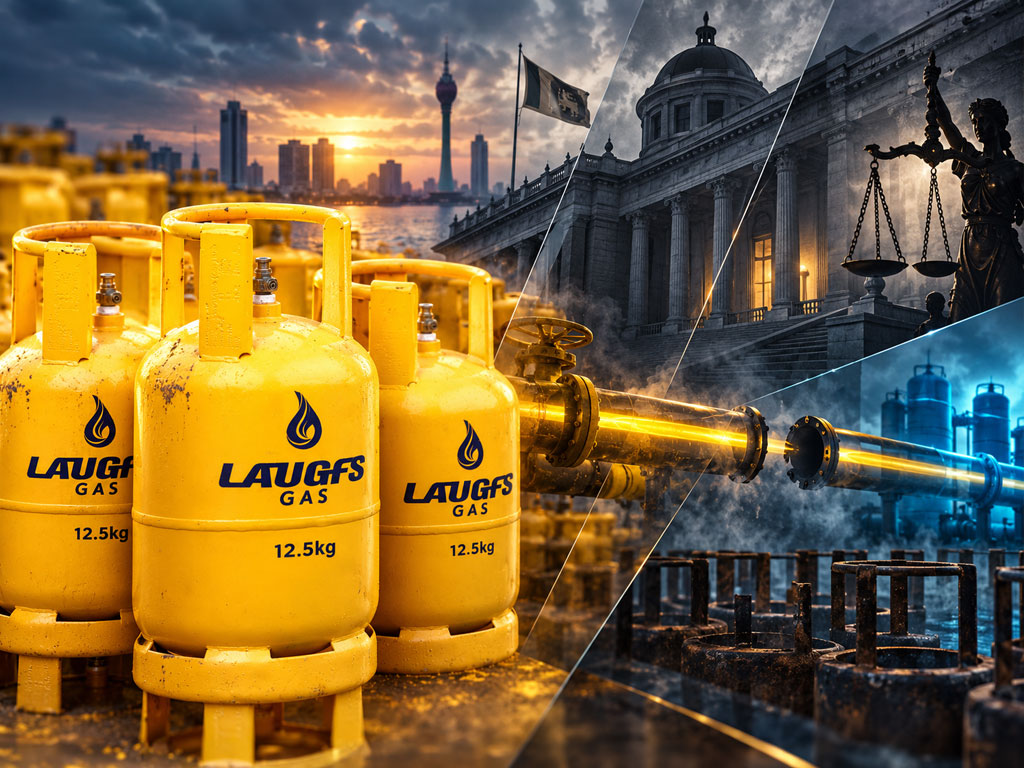
COLOMBO, October 30, 2026 — The Consumer Affairs Authority has initiated legal proceedings against LAUGFS Gas over disrupted supplies, as thousands of consumers struggle to obtain cooking gas and Litro faces increasing demand.
The Consumer Affairs Authority (CAA) has filed legal action against LAUGFS Gas PLC over its alleged failure to maintain a continuous supply of liquefied petroleum gas (LPG), following weeks of shortages that have left consumers across Sri Lanka struggling to obtain the company’s distinctive yellow cylinders.
The case was filed before the Colombo Chief Magistrate’s Court on October 29, alleging that the company had failed to comply with Direction No. 86 issued by the Consumer Affairs Authority.
Following consideration of the complaint, the court ordered summons to be issued to LAUGFS Gas. The matter is scheduled to be taken up on November 11 before Colombo Additional Magistrate Darshima Premaratne.
The proceedings place one of Sri Lanka’s principal domestic LPG suppliers under judicial scrutiny at a time when prolonged disruptions have placed additional pressure on the country’s cooking gas distribution network.
The filing represents an allegation of regulatory non-compliance. No finding of liability against LAUGFS Gas has been established through the proceedings described.

LAUGFS Customers Face Weeks Without Gas
Consumers in several parts of the island have reportedly faced difficulties obtaining LAUGFS cylinders for approximately a month, with dealers unable to provide reliable information about when fresh stocks will become available.
According to the information supplied, an inquiry with the company’s customer service centre indicated that no cylinders were available for distribution at the time.
Around 450,000 LAUGFS gas cylinders are ordinarily sold each month in Sri Lanka, making prolonged interruptions significant for households and commercial users dependent on the company’s distribution network.
Uncertainty surrounding the arrival of additional gas shipments has compounded the situation, with customers unable to establish when normal deliveries will resume.
Although the company has faced supply difficulties, the precise operational reasons for the current interruption and the expected restoration date require confirmation through an updated company statement.
For households that rely on LPG for daily cooking, the shortage has created practical difficulties, particularly where alternative suppliers’ cylinders and equipment are not readily available.
Small restaurants, food vendors and other businesses dependent on cooking gas are also vulnerable to disruptions that may affect their ability to operate normally.
Litro Forced to Absorb Additional Demand
The impact of the LAUGFS shortage has extended beyond the company’s own customers, placing additional pressure on state-owned Litro Gas Lanka.
Litro ordinarily accounts for approximately 80% of Sri Lanka’s domestic LPG market, while LAUGFS supplies around 20%, according to the market-share estimates cited in the original report.
As LAUGFS customers seek alternatives, demand for Litro’s blue cylinders has increased, requiring the state-owned supplier to expand its distribution operations.
Litro Chairman Channa Gunawardana has indicated that the company’s monthly gas releases have risen from approximately 32,000 metric tonnes to around 40,000 metric tonnes to accommodate additional demand.
The company previously sold approximately 1.8 million cylinders a month, with sales volumes reportedly increasing as consumers seek alternatives to LAUGFS.
Despite these additional supplies, shortages have continued to affect some areas.
In Kotagala, near Hatton, residents reportedly faced considerable difficulty obtaining cooking gas after only 140 Litro cylinders became available following several weeks of limited supplies.
Such localised shortages demonstrate the difficulty of maintaining consistent distribution when demand shifts rapidly from one major supplier to another.
The increased burden on Litro also illustrates the vulnerability of a market in which supply interruptions affecting one company can quickly disrupt availability throughout the wider distribution network.
What Does Direction No. 86 Require?
The CAA’s legal action centres on Direction No. 86, issued under Sri Lanka’s Consumer Affairs Authority Act.
The direction, published in August 2022, establishes obligations concerning the supply of goods, including requirements relating to timely supply and the maintenance of manufacturing capacity, subject to specified circumstances.
The Authority’s complaint alleges that LAUGFS failed to comply with the applicable requirements governing supply continuity.
Whether the company breached those requirements, and whether any circumstances legally justify the interruption, will be matters for the judicial process.
The distinction is important because filing a case does not itself establish that a company has committed an offence.
The Consumer Affairs Authority is empowered to take regulatory action to protect consumers against specified unfair trading practices and failures to comply with applicable legal requirements.
Its decision to bring proceedings against a major gas supplier demonstrates the potential legal consequences of alleged non-compliance in the distribution of goods essential to everyday life.
Consumer Protection Goes Beyond Pricing
The shortage also highlights an important dimension of consumer protection that extends beyond the prices charged for goods.
For consumers, access to essential household products depends on their availability, the reliability of distribution networks and the information suppliers provide when normal services are interrupted.
Cooking gas shortages can impose additional costs on households, disrupt daily routines and affect small businesses that depend on reliable fuel supplies.
The pressure on Litro further demonstrates that the effects of prolonged supply interruptions may extend beyond the customers of the company experiencing difficulties.
Effective consumer protection therefore requires attention not only to pricing and product standards but also to the responsibilities of suppliers and the resilience of essential distribution systems.
The CAA’s decision to pursue legal action provides an opportunity for the relevant obligations to be examined through the courts.
For LAUGFS customers, however, the immediate concern remains the availability of cooking gas and a reliable timetable for the restoration of normal supplies.
With the case scheduled to return to court on November 11, attention will remain focused on the company’s response to the allegations, the progress of pending shipments and the steps taken to restore consistent distribution.