By Roy Denish
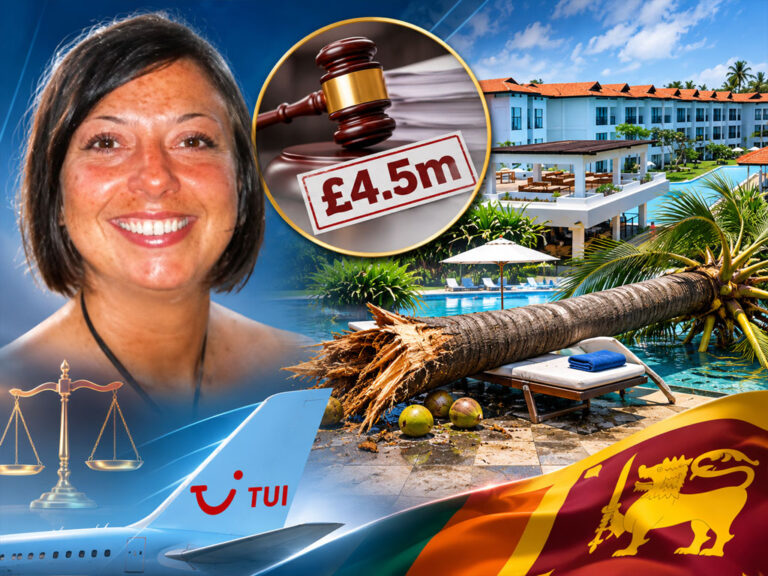
LONDON — Whether Sri Lanka’s Club Hotel Dolphin bears legal responsibility for the 2017 palm tree collapse that permanently disabled a British tourist hinges on a classic legal battle between foreseeable maintenance failures and an unavoidable act of nature.
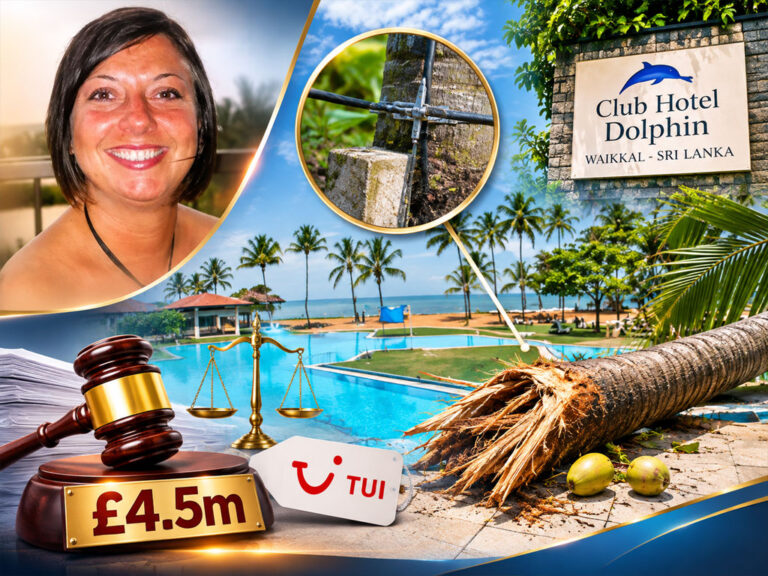
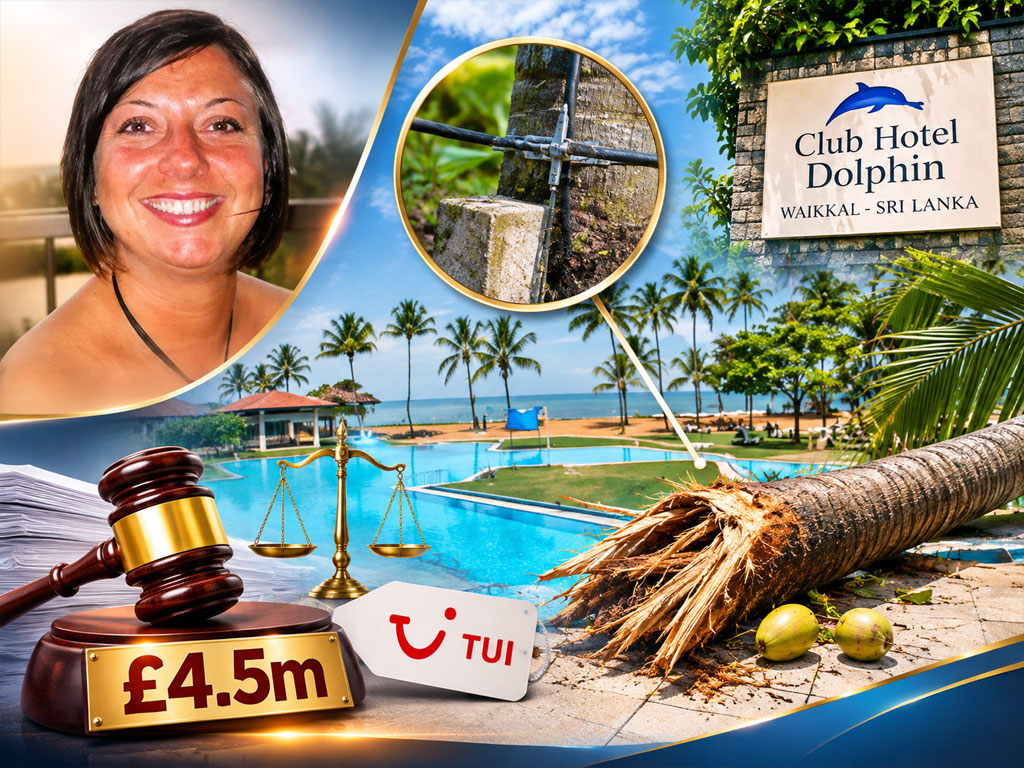
Although the Waikkal resort is not directly on trial in the ongoing London High Court proceedings, determining its culpability is central to the £4.5 million negligence lawsuit Claire Saywell has brought against her former solicitors, Slater and Gordon. Under British package travel regulations, tour operator TUI would have been held vicariously liable for any negligence committed by the Sri Lankan hotel had Saywell’s lawyers not missed a statutory filing deadline due to a clerical error.
Under both English common law and Sri Lanka’s Roman-Dutch legal principles, property owners owe a strict duty of care to ensure their premises are reasonably safe for paying guests. In tropical destinations, managing coconut palms around high-traffic areas like swimming pools is a recognized safety obligation.

Legal analysts note that the strongest argument for holding the resort negligent centers on alleged human interference with the tree. Expert arborist findings submitted to the court indicate that utility wires had previously been anchored to the base of the palm using spikes and concrete. Piercing a palm trunk compromises its structural integrity, allowing moisture and disease to rot the wood from the inside out. If hotel staff or contractors attached hardware to the tree, the resort actively created a foreseeable hazard rather than merely failing to spot natural decay. Witness accounts disputing the severity of the wind that day further bolster the claim that a healthy tree would not have toppled.
Loading article…
Conversely, a defense against negligence relies on proving the collapse was an unforeseeable “act of God” and that the hotel met reasonable local safety standards. Because UK courts evaluate foreign accidents against the safety standards of the country where they occurred, the defense argues that if the resort conducted standard visual inspections and regular coconut harvesting, it could not be expected to detect hidden internal rot. Attorneys for Slater and Gordon have adopted this position to minimize their own payout, contending that a sudden, localized wind gust caused the tree to fall and that Saywell’s original case against TUI had no more than a 51 percent chance of succeeding.
Ultimately, the High Court will not issue a binary ruling on the Sri Lankan resort’s guilt. Instead, the judge will weigh the competing arguments over the tree’s maintenance and the weather conditions to assign a percentage to the likelihood that Saywell would have won her original lawsuit, using that figure to calculate her final damages.