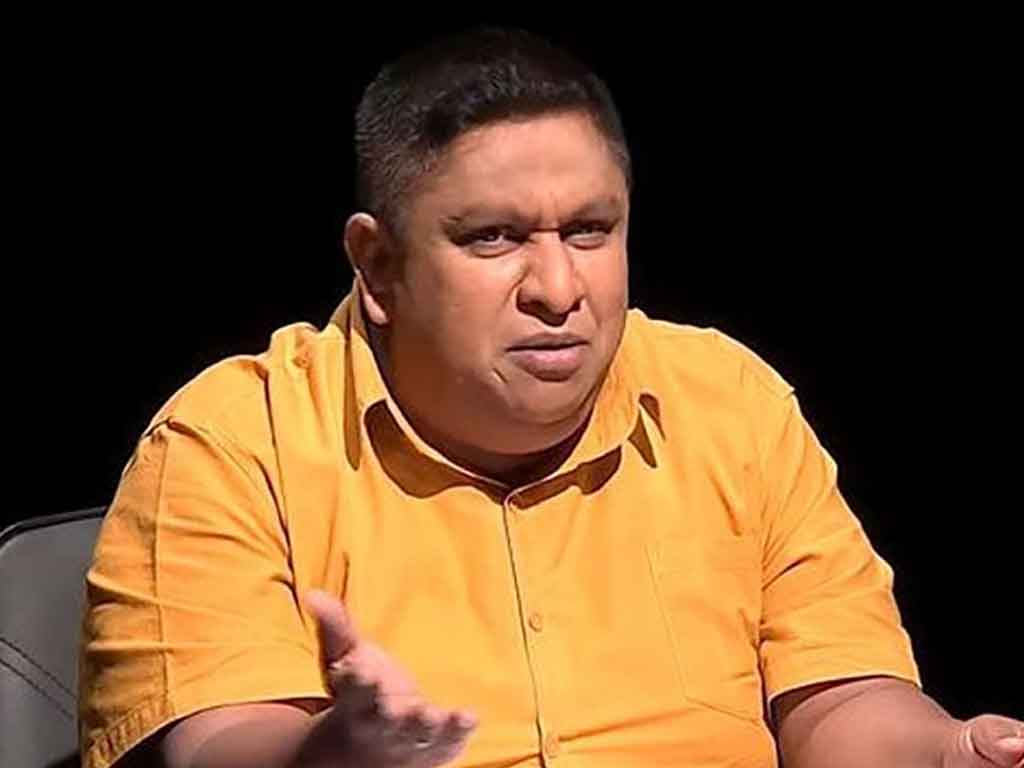
In a startling admission that has already ignited political and social debate, Parliamentary Member Chamara Sampath Dassanayake confessed that he now feels he committed a “great sin” by depriving a young girl of the opportunity to travel abroad. His remorseful acknowledgment comes in the wake of a heated controversy surrounding revelations made in Parliament about a foreign trip by Minister Wasantha Samarasinghe.
The MP made these remarks during an online discussion, where he openly reflected on his past actions. Dassanayake revealed that when the disclosure first came to light in Parliament, he was shocked by the details and the group linked to the matter. He admitted that the incident forced him to recognize the magnitude of his mistake, describing it as a decision that continues to weigh heavily on his conscience.

What makes this admission significant is not only the political undertone but also the personal responsibility Dassanayake claims to bear. He reiterated that he possesses the necessary information to substantiate the statements he had previously made and has already informed the Speaker of Parliament in writing. According to him, he is prepared to appear before the Criminal Investigation Department (CID) at any time to verify and defend the accuracy of his disclosures.
This development has stirred fresh questions about accountability, ethics, and transparency in Sri Lankan politics. For many citizens, the story reflects the recurring clash between personal choices, political maneuvering, and the broader responsibility of public officials. The narrative of depriving a “beautiful girl” of her chance to travel abroad has already sparked widespread criticism, with many questioning whether such admissions signal genuine remorse or political maneuvering to regain public sympathy.
Observers suggest that this case underscores a larger issue within the political culture of Sri Lanka, where admissions of mistakes often arrive long after opportunities have been lost and lives disrupted. The involvement of the CID also places the matter under legal scrutiny, with the potential for further revelations to emerge. The controversy not only exposes the fragile balance between political privilege and personal consequences but also highlights the growing demand for transparency among citizens who are increasingly unwilling to tolerate abuses of power.
For Dassanayake, his statement of guilt may serve as both a political gamble and a moral reckoning. Whether this moment of confession translates into accountability or becomes yet another passing headline will depend on how the investigation unfolds and how the public responds to his admission.