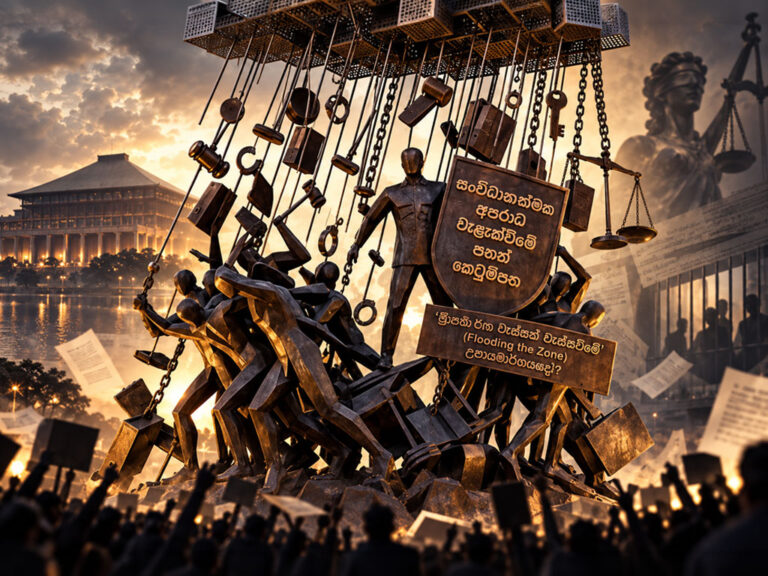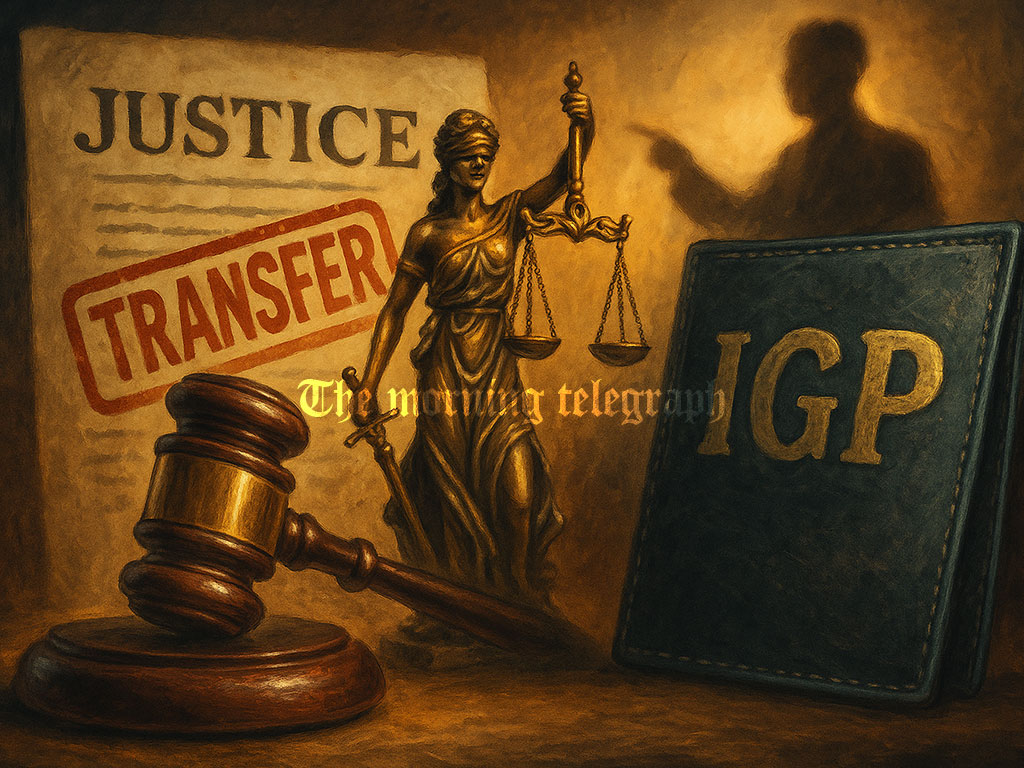
A growing storm over abrupt judicial transfers and complaints from the Inspector General of Police (IGP) is fuelling fears about political interference and the erosion of judicial independence in Sri Lanka.
Raising the issue during the committee debate on the Justice Ministry’s budget, Member of Parliament Namal Rajapaksa warned that transferring judges who preside over cases involving government ministers, based solely on complaints from the IGP sets a dangerous and unacceptable precedent. He said disciplinary action against lower court magistrates based on such complaints threatens the very foundation of judicial impartiality.

Rajapaksa argued that if the police or any party believes a judge has made an incorrect ruling, the proper course of action is to file an appeal. Transferring a judge without allowing due process, he said, not only undermines the judicial system but invites political influence into an institution that should remain neutral.
He also highlighted the human impact of these decisions. According to Rajapaksa, judges are being abruptly relocated under the pretext of disciplinary action, without proper regard for how these transfers disrupt their lives particularly when it comes to their children’s schooling. These decisions, he said, are being made with little thought for the personal toll on judicial officers and their families.
Rajapaksa did not mince words in his broader criticism. Despite official claims to the contrary, he said the Ministry of Justice has become the most politicized branch of the current government. He pointed to a worrying pattern: several judges who handed down fair and independent rulings in cases involving prominent ministers were suddenly transferred. These moves, he claimed, raise serious concerns about whether justice is being manipulated for political convenience.
He concluded by calling for immediate reforms. The independence of Sri Lanka’s judiciary, he said, must be protected without delay. Rajapaksa warned that unless the current trend is reversed, public trust in the justice system and in the broader democratic process could be irreparably damaged.