Sri Lanka’s power system is facing a hidden fuel crisis, with massive diesel consumption driven by substandard coal threatening blackouts and inevitable tariff hikes.
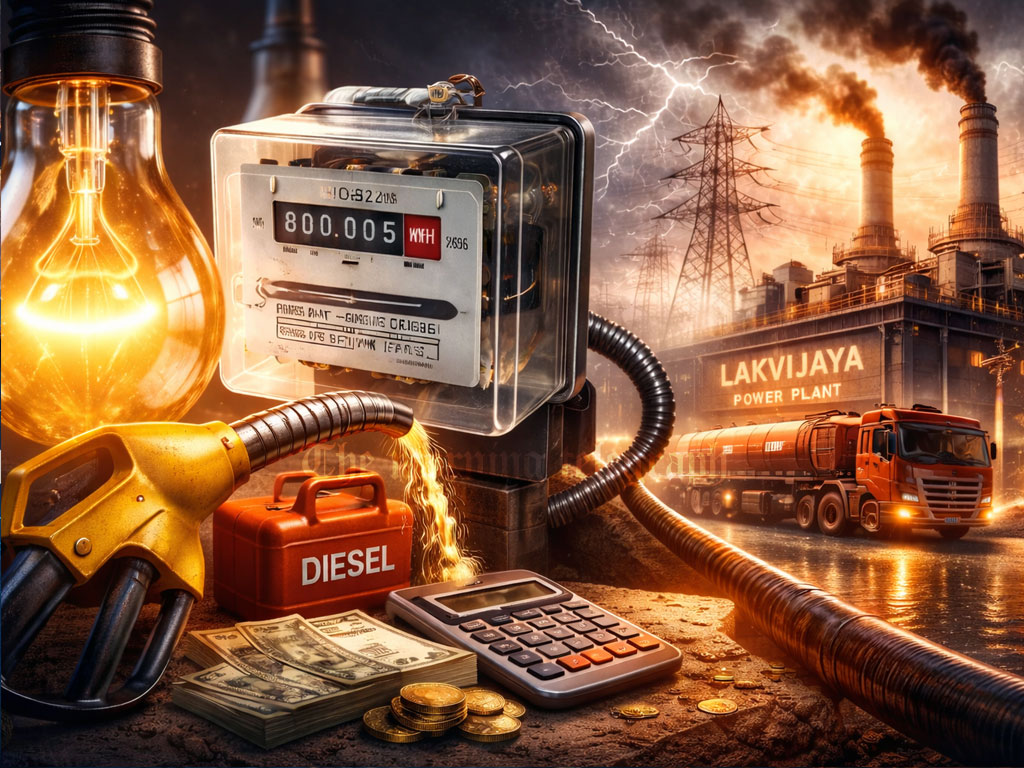
Sri Lanka’s energy crisis is quietly intensifying as inefficiencies at the Norochcholai Lak Vijaya Power Plant begin to take a heavy toll on the national electricity system. According to sources from the Electrical Engineers Association, the 900 MW facility now requires nearly 800,000 liters of diesel per day to compensate for electricity losses caused by substandard coal usage, placing enormous strain on already stretched energy resources.

Engineers warn that the situation is not just a technical setback but a growing economic burden. Around 150 MW of electricity is currently being lost each day due to poor coal quality, forcing authorities to rely on costly diesel generation to bridge the gap. This additional fuel consumption represents a significant financial drain, especially at a time when global fuel prices remain volatile due to the Middle East crisis.
The pressure is further compounded by prevailing dry weather conditions, which have reduced hydropower capacity. Experts indicate that hydroelectric generation may need to be restricted even further in the coming weeks, increasing dependence on thermal and petroleum-based power sources. This shift raises serious concerns about sustainability, cost efficiency, and grid stability.
Current energy generation data paints a concerning picture. Approximately 54 percent of electricity in the national grid is being produced through thermal power plants, while coal accounts for about 28 percent of total generation. Petroleum-based sources contribute around 26 percent, highlighting the system’s heavy reliance on expensive fuel alternatives. Meanwhile, hydropower has declined to roughly 18 percent, reflecting the impact of dry conditions on reservoir levels.
Solar energy has provided some relief, contributing about 24 percent to the national supply. However, experts caution that renewable sources alone are insufficient to offset the growing deficit caused by inefficiencies in coal-fired generation and reduced hydro output.
Energy analysts now warn of a dual threat on the horizon. Rising mineral fuel prices linked to geopolitical tensions, combined with delays in coal shipments, could further destabilize supply. This scenario makes a cost-based electricity tariff revision increasingly likely, with authorities also considering the possibility of scheduled power cuts to manage demand.
As the crisis deepens, the focus is shifting toward urgent reforms in fuel procurement, energy efficiency, and diversification of power sources. Without immediate corrective action, Sri Lanka’s electricity sector may face a prolonged period of instability marked by higher costs and reduced reliability.