A controversial emergency fuel purchase has triggered scrutiny over pricing, procurement transparency, and potential financial losses, placing Sri Lanka’s energy governance under intense public and political pressure.
Opening the Debate on the Diesel Purchase
A high priced diesel procurement has ignited fresh debate in Sri Lanka, with officials and analysts raising concerns over a possible multi billion rupee financial burden stemming from an emergency fuel purchase made earlier this month.
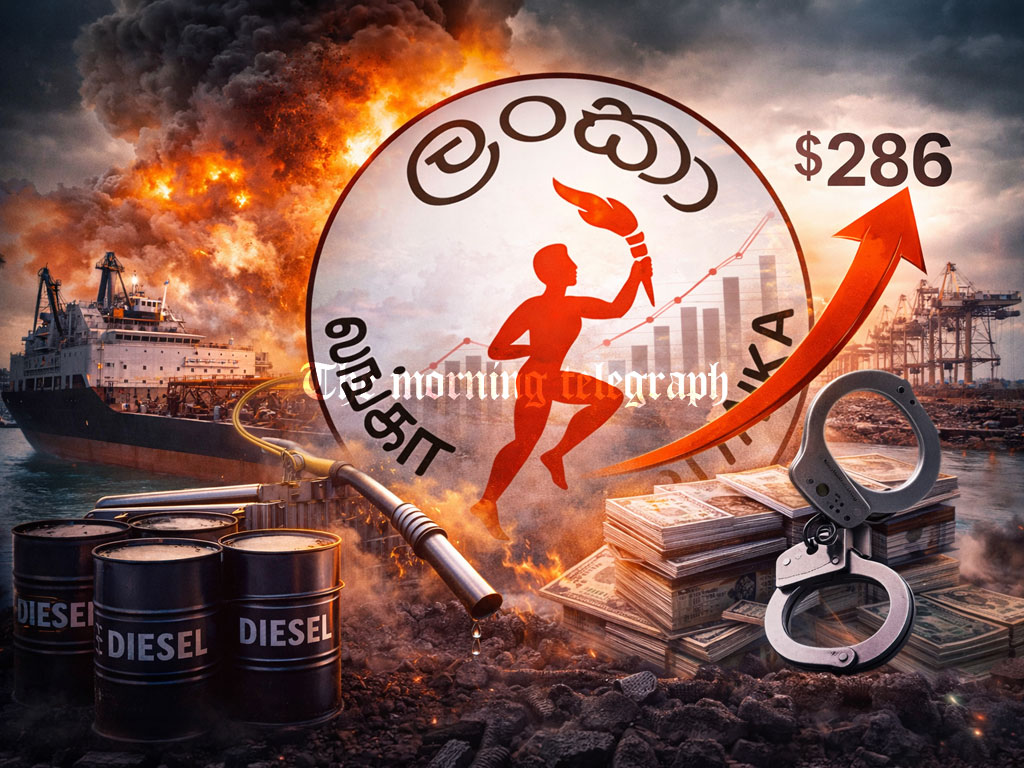
According to a statement issued on April 17 by D.J. Rajakaruna, Chairman of the Ceylon Petroleum Corporation, two diesel shipments that arrived in Sri Lanka on March 31 and April 7 were purchased at prices ranging between $285.28 and $288.06 per barrel. The procurement, carried out as a spot tender, was approved by the Cabinet on March 17 amid concerns over an imminent fuel shortage, Energy Minister Wijitha Herath confirmed.

Market Pricing Under Question
The pricing of the shipment has since come under scrutiny. Under standard procurement practice, Sri Lanka typically bases its fuel import prices on a five day simple average of Singapore market rates closest to the vessel’s arrival. Based on this benchmark, analysts estimate that diesel should have been priced at approximately $217.77 per barrel, which can be reasonably rounded to $218.
However, government claims that the purchase was made below prevailing market rates have been challenged. While officials stated that diesel was trading at around $291 at the time, available market data indicates that the highest recorded price in Singapore during the relevant period was $232.57 per barrel on April 6.
Using a conservative approach, industry observers note that even after accounting for logistics, insurance, and supply related premiums, the expected price per barrel would likely have reached around $230. This suggests an excess premium of approximately $56 per barrel in the actual transaction.
Financial Impact Breakdown
With estimates indicating that the shipment carried close to 280,000 barrels, the additional cost is calculated at $15.68 million. Converted at an exchange rate of 310, this places the total financial impact at roughly Rs. 4.86 billion for a single shipment.
The transaction has prompted calls for a formal investigation to determine whether the elevated pricing reflects market conditions, procurement inefficiencies, or potential irregularities. While the government has emphasized the urgency of securing fuel supplies, analysts argue that the focus must now shift toward accountability and transparency in the procurement process.
Procurement Method Raises Concerns
Further concerns have been raised regarding the circumstances surrounding the purchase. Officials confirmed that Cabinet approval had been granted to divert a vessel already in transit toward Sri Lanka. Observers note that such decisions, while sometimes necessary in emergencies, may warrant closer examination under standard investigative frameworks.
The situation has also drawn attention to broader systemic issues within fuel procurement. Reports indicate that a previously contracted diesel shipment under a term tender failed to arrive, forcing authorities to rely on a spot tender. This shift resulted in what analysts describe as one of the highest premiums recorded in Sri Lanka’s fuel procurement history, significantly exceeding typical pre crisis levels of $4 to $5 per barrel.
Premium Spike Beyond Regional Norms
Regional market trends suggest that even during periods of volatility, premiums have generally remained within the $40 to $45 range. In comparison, the premium associated with the recent purchase appears substantially higher.
The government has yet to disclose the identity of the supplier involved in the transaction, further intensifying calls for transparency. At the same time, officials have maintained that the procurement was necessary to prevent a severe fuel shortage, which could have had immediate economic and social consequences.
Key Questions Facing Investigators
Investigators are expected to examine several critical aspects, including the failure of the original term tender shipment, the decision to proceed with a high value spot purchase, and the pricing mechanisms applied during the transaction. The role of intermediaries and the justification for the elevated premium are also likely to be central to any inquiry.
The issue comes at a time when Sri Lanka is navigating a fragile economic recovery, with rising fuel costs already placing pressure on consumers and businesses. Any additional financial burden resulting from procurement inefficiencies or irregularities could further strain public finances.
Simplifying the Core Issue
Was diesel purchased at $286 per barrel? Yes.
Was this higher than market value? Yes, significantly.
Was the purchase necessary? Yes, to avoid a fuel shortage.
How did the shortage arise? The term tender shipment did not arrive, and no clear action has been disclosed regarding the breach.
Did the premium increase? Yes, beyond both global and regional benchmarks.
Has a financial loss occurred? Yes.
Has corruption taken place? That remains to be determined through investigation.
The government is now under pressure to ensure transparency, while the opposition continues to demand accountability over what is shaping into one of the most controversial fuel procurement episodes in recent years.