By Roy Denish
As the Easter Sunday investigations intensify, a senior police official has taken the extraordinary step of seeking court protection against a possible arrest. The move underscores the growing pressure surrounding one of Sri Lanka’s darkest tragedies, as authorities push forward with renewed efforts to establish accountability for the intelligence and security failures that preceded the 2019 attacks.
One of Sri Lanka’s top police officials has turned to the courts to block his potential arrest as state broadens its investigation into the country’s catastrophic 2019 Easter Sunday suicide bombings.
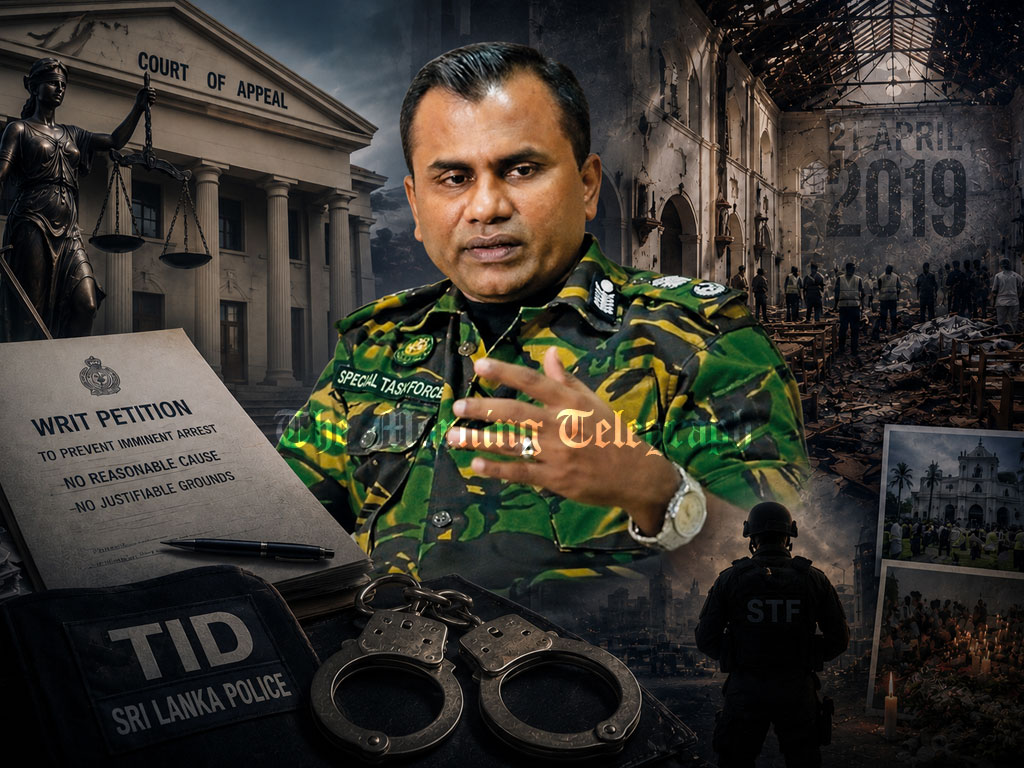
Senior Deputy Inspector General Waruna Jayasundara, who serves as the head of the police department’s Eastern Province division, filed a writ petition in the Court of Appeal on Wednesday. The petition asks judges to issue an urgent order preventing law enforcement authorities from detaining him, arguing that any potential arrest would lack reasonable cause or justifiable legal grounds.

The legal maneuver marks a sharp escalation in the tension between senior state security figures and investigators who are facing renewed political pressure to assign accountability for the coordinated April 21, 2019, attacks, which killed more than 260 people and injured hundreds at churches and luxury hotels.
Jayasundara was the director of the Terrorism Investigation Division at the time of the attacks and later commanded the police elite commando unit, the Special Task Force. His petition names the Inspector General of Police, the director of the Criminal Investigation Department, and the Attorney General as respondents.
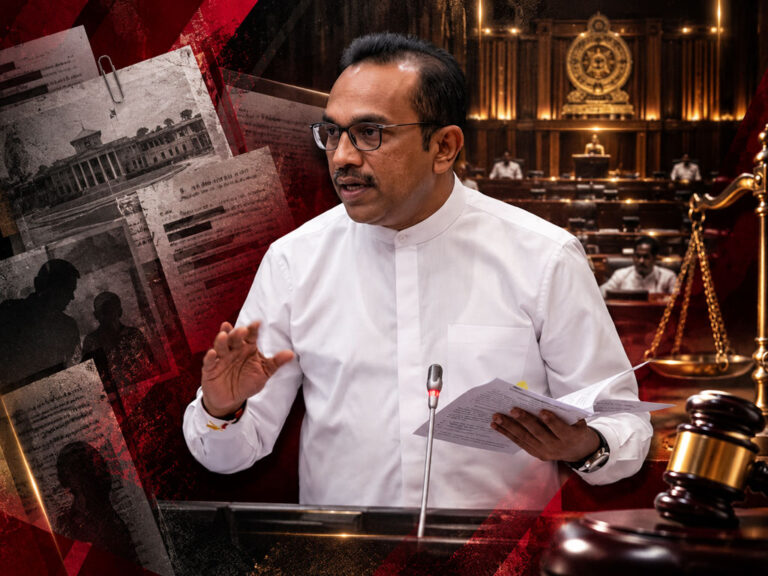
The move comes as Minister of Public Security Ananda Wijepala told Parliament that the government would not halt its sweeping, accelerated probe into the intelligence and operational lapses surrounding the tragedy. Critics and victim advocacy groups, led by the Catholic Church in Sri Lanka, have spent years accusing successive administrations of failing to properly investigate the breakdown in security communications that allowed the Islamist extremist attackers to strike despite receiving advance intelligence.
The Court of Appeal has not yet set a date to hear arguments on Jayasundara’s request for an interim order.