By Roy Denish
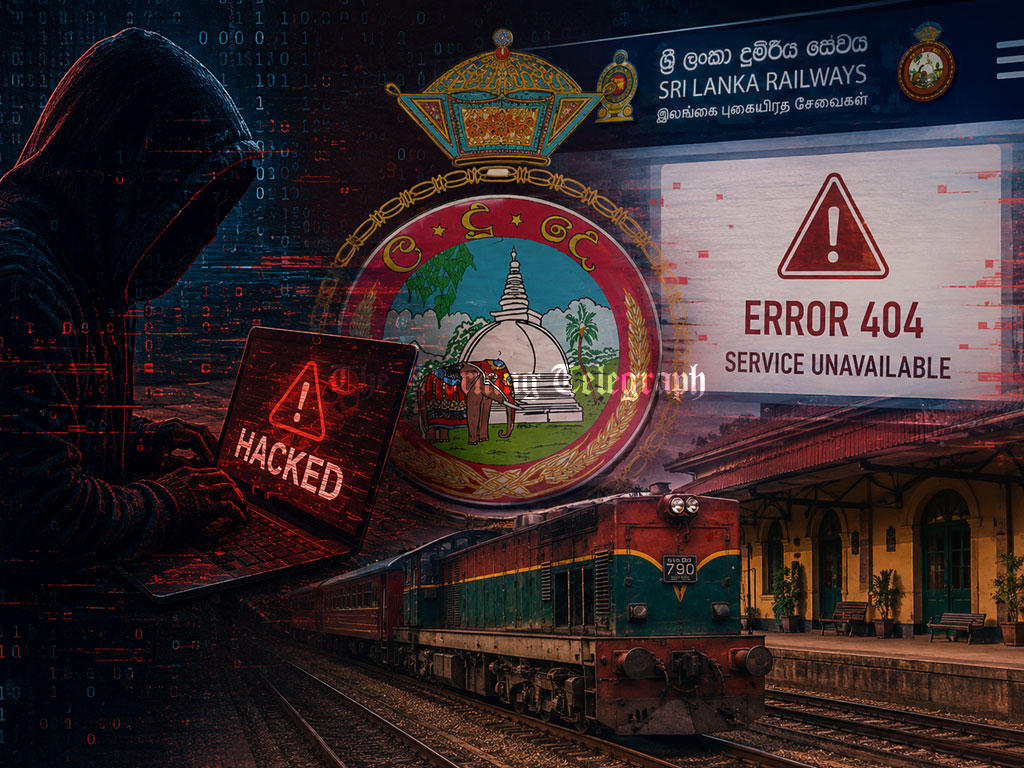
Sri Lanka Railways’ official website was knocked offline after a suspected cyberattack disrupted online services, leaving commuters unable to access train schedules and e-ticketing facilities. As engineers race to restore operations, concerns are growing over cybersecurity vulnerabilities within critical state infrastructure and the potential risks posed to public services.
COLOMBO, Fort — The state-owned Ceylon Railway Department website went down bad on Sunday after an unidentified threat actor clapped back at government servers, in what local cyber experts are calling an absolute skill issue.
The cyberattack, which took place in the early morning hours, left the official transit platform completely cooked. Millions of daily commuters looking to cop train schedules or lock in electronic tickets were greeted by an unexpected error screen instead of their usual bookings.
“It is giving major 404 vibes,” said a local cybersecurity analyst who requested anonymity because they were not authorized to speak on the record. “The infrastructure is essentially potato status right now. They did not secure their endpoints, and the hackers straight-up ratioed them.”

The Department of Railways confirmed the security incident in a brief statement, noting that their IT team is currently grinding to restore the mainframe. However, officials declined to comment on whether user data was leaked or if the attackers were just doing it for the plot.
Sources close to the department say the breach was likely a basic SQL injection, a classic tech blunder that has the local developer community calling the government’s IT protocols “low-key mid.”
This is not the first time a Sri Lankan state portal has taken an L. Passenger processing networks and state-owned telecom players have faced minor glitches in the past, but tech-savvy citizens say today’s disruption is a certified bruh moment.
As of press time, the website remains completely bricked. Rail officials are urging commuters to touch grass and buy physical tickets at station counters the old-fashioned way until the IT department can successfully patch the system and secure the dub.