By Roy Denish
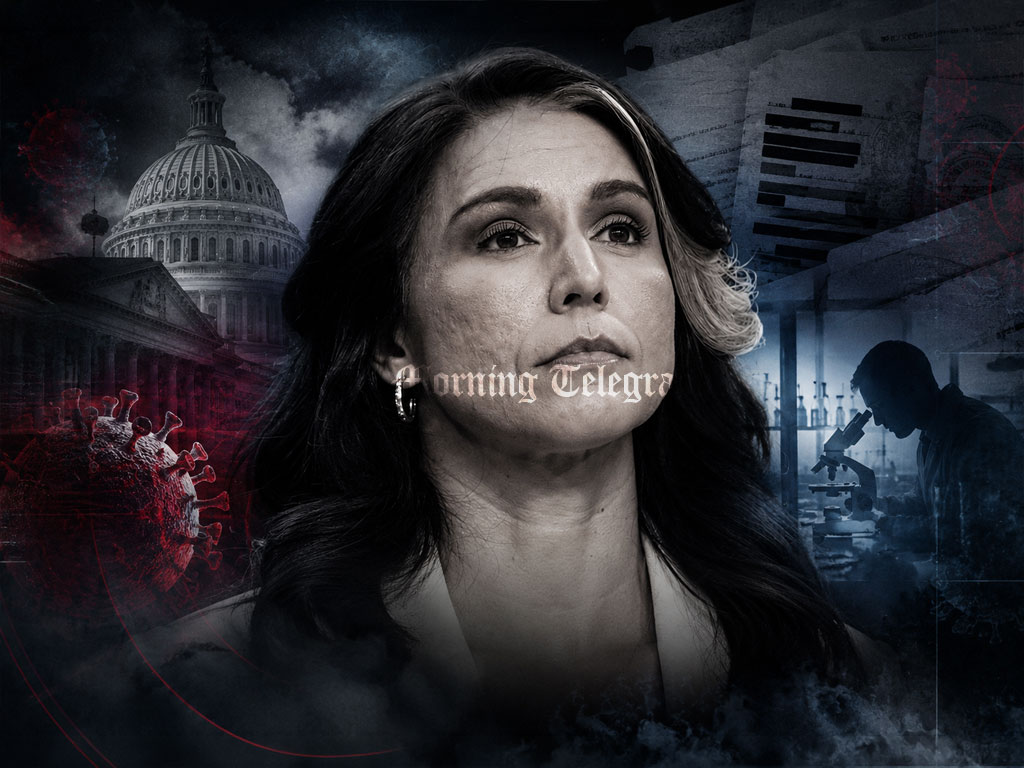
Outgoing U.S. intelligence chief Tulsi Gabbard has reignited the COVID-19 origins debate with declassified files alleging links between U.S.-funded coronavirus research, Anthony Fauci, and the Wuhan lab-leak theory. The disclosures are expected to intensify congressional scrutiny, even as Fauci remains shielded from federal prosecution by Biden’s preemptive pardon.
The final day in office for outgoing United States Director of National Intelligence Tulsi Gabbard brought a major declassified document release targeting Anthony Fauci, the former chief medical advisor to President Joe Biden and long-time head of the National Institute of Allergy and Infectious Diseases.
Gabbard released a tranche of communications and intelligence files alleging that Fauci directed millions of dollars in U.S. taxpayer funding toward gain-of-function research involving bat coronaviruses at the Wuhan Institute of Virology. The statement from the intelligence office described this research as the source of an unintentional lab leak that sparked the pandemic.

The documents claim these communications contradict Fauci’s 2024 sworn testimony before a House subcommittee, where he stated he had not communicated with intelligence agencies regarding viral research to his knowledge about COVID. The intelligence drop also details a process where scientists funded by the health agency allegedly influenced intelligence assessments, which public officials then cited as public proof to suppress the lab-leak theory early on. Additionally, the files include testimony from intelligence community whistleblowers who claim they faced professional marginalization for trying to support the lab-leak hypothesis.
While these disclosures are drawing significant response from Congress, the immediate legal impact for Fauci is affected by a preemptive measure taken over a year ago. During his final hours in office in January 2025, Biden issued a preemptive presidential pardon to Fauci. Biden emphasized at the time that the move was an exceptional circumstance and stated that the pardon should not be mistaken as an acknowledgment that any individual engaged in any wrongdoing. The pardon protects Fauci from federal prosecution over pandemic-era actions or testimonies, though Gabbard’s final act ensures that the public and congressional debate over the origins of COVID-19 will continue.