Khamenei funeral events draw massive crowds, anti-US slogans and reports of American pressure on countries planning to attend.
The Khamenei funeral ceremonies in Tehran have become a powerful display of anti-American anger, with massive crowds gathering to mourn Iran’s former Supreme Leader Ali Khamenei and demand revenge against the United States.
The multi-day state funeral began in the Iranian capital after Khamenei was killed in US and Israeli strikes on February 28. Large crowds gathered in Tehran to pay their respects as the ceremonies developed into both a national mourning event and a demonstration of political defiance.
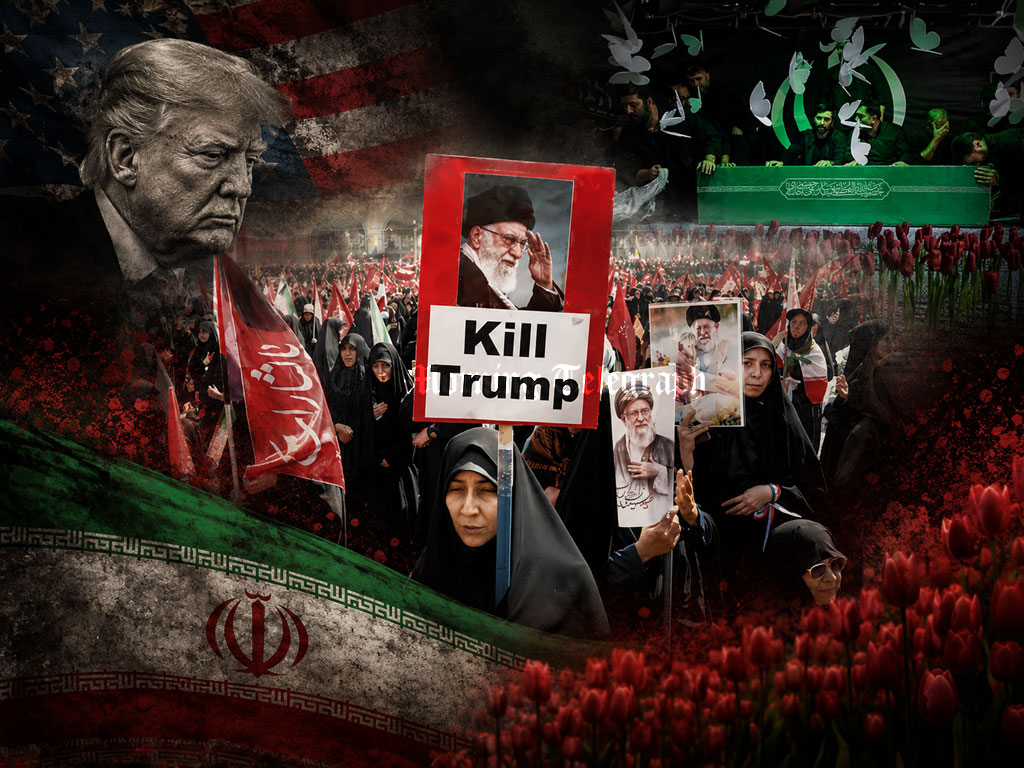
Mourners repeatedly chanted anti-American slogans, including “Death to America” and calls for retaliation. The emotional ceremonies have also featured demands for revenge against those blamed for Khamenei’s death.
Five coffins draped in Iranian flags were displayed at the Imam Khomeini Grand Mosalla prayer complex in Tehran. They included the remains of Khamenei and members of his family who died in the February 28 attack.
Among the dead were Khamenei’s daughter, son-in-law, daughter-in-law and young granddaughter, according to reports surrounding the funeral. A black turban was placed on Khamenei’s coffin, symbolising his claimed lineage from the Prophet Muhammad.

Khamenei Funeral Becomes Platform for Anger and Revenge
Speakers and organisers addressing the gathering portrayed Ayatollah Khamenei and his family as victims of an unjust assassination.
People dressed in black demanded punishment for those responsible. Women carrying photographs of Khamenei wept, while some demonstrators displayed messages calling for the assassination of US President Donald Trump. Red flags and Iranian national flags were also carried through the gathering as mourners voiced demands for revenge.
Organisers also used powerful symbols connected to Khamenei’s public life. An empty chair and table associated with the Hosseiniyeh religious centre, where he delivered addresses during his lifetime, were placed on the stage. Children also participated in commemorative performances.
Khamenei died at the age of 86, according to Reuters reporting at the time of his death and subsequent funeral coverage. Before the war, his government had faced economic pressure and major domestic opposition, including protests against the authorities.
However, Iranian authorities have presented his death in the US-Israeli attack as martyrdom. The funeral ceremonies began on July 4, after the mourning period associated with Imam Hussain, a central figure in Shia Islam.
The timing also coincided with the 250th anniversary of American independence.
The ceremonies appear designed not only to mourn Khamenei but also to strengthen national unity following months of conflict. The scale of the funeral and its political symbolism have placed Iran’s confrontation with Washington and Israel at the centre of the mourning period.
New Supreme Leader Remains Out of Public View
Mojtaba Khamenei, the late leader’s son and successor as Supreme Leader, was absent from the main Tehran funeral ceremony.
Three other sons of Ali Khamenei attended the ceremonies, while Mojtaba remained out of public view. Reports have linked his absence to security concerns and his condition following the February attack.
The funeral programme includes ceremonies across several religiously significant locations before the planned conclusion in Mashhad.
Foreign delegations have also travelled to Iran for the ceremonies, while the funeral has become another arena for diplomatic confrontation between Tehran and Washington.
Reports based on Iranian media claims say the United States launched a diplomatic campaign to discourage countries from attending or sending senior delegations.
At least 13 countries reportedly withdrew or reduced their participation following the alleged pressure campaign. However, these claims about specific diplomatic threats originate from Iranian reporting and have not been independently established in all their details.
According to those reports, US Secretary of State Marco Rubio sent instructions to American diplomatic missions on June 26. Diplomats were reportedly encouraged to persuade governments against participating in the ceremonies.
The reports further alleged that attendance could be viewed as an unfriendly act towards the United States and potentially affect bilateral relations.
Reports Claim 13 Countries Changed Funeral Plans
The reported American pressure campaign allegedly went beyond conventional diplomatic discussions.
Iranian reports claimed that US representatives warned some African countries that development assistance could be affected if they sent delegations. The claims also said that 13 countries either withdrew or reduced their representation.
The reported group included three Eastern European countries, five African nations, two Arab states from the Persian Gulf region and two major East Asian countries.
Some governments reportedly attempted to send lower-level representatives. Iranian authorities, according to the reports, declined to accept some of those downgraded delegations.
The alleged diplomatic campaign has added another dimension to the Khamenei funeral, turning the ceremonies into a wider contest over Iran’s international standing and the continuing influence of the United States.
The funeral programme is scheduled to continue through July 9, with the final burial proceedings planned in Mashhad. The ceremonies follow months of uncertainty after Khamenei’s death during the February 28 strikes.
Military tensions across West Asia rose sharply following his killing. The original article states that a 14-point understanding was later reached to halt hostilities, with 60-day technical discussions planned around the nuclear programme and the Strait of Hormuz.
Funeral Deepens Iran-US Political Confrontation
The absence of Mojtaba Khamenei remains one of the most closely watched elements of the ceremonies.
His decision to remain away from public events has been linked in reports to security concerns and fears of further assassination attempts. His continued absence has attracted attention as Iran attempts to demonstrate political stability and continuity after the death of its long-serving leader.
Meanwhile, the funeral has provided Iran with a major platform to display public anger against the United States and Israel.
The ceremonies have combined religious mourning, political symbolism, demands for revenge and an effort to project national unity. International participation has also become politically sensitive as reports of American diplomatic pressure continue to circulate.
For Tehran, the funeral is more than a farewell to a former Supreme Leader. It has become a demonstration of resistance and an opportunity to rally supporters during one of the most volatile periods in Iran’s recent history.
For Washington and Iran’s regional rivals, however, the scale and tone of the ceremonies underline the depth of the confrontation that remains unresolved.
As the Khamenei funeral moves towards its final ceremonies, the absence of Iran’s new Supreme Leader, the calls for revenge and the dispute over foreign attendance have ensured that the funeral remains part of a much larger geopolitical struggle.