By Dwayne Ferreira.
DRS authorship dispute deepens as LankaWeb report cites fraud allegations, legal notice claims and calls for ICC remedial action.
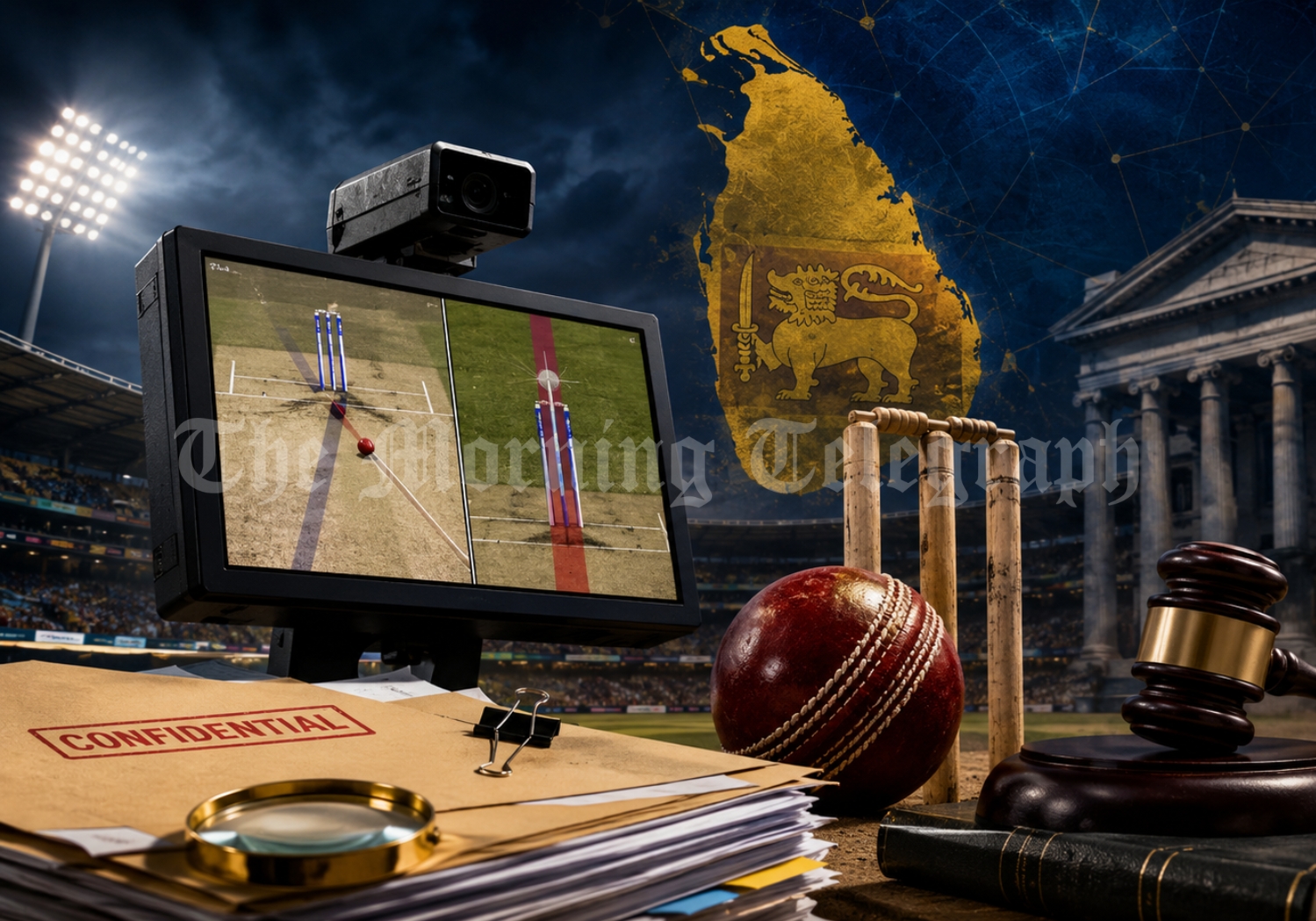
The DRS authorship dispute facing the International Cricket Council has intensified after a LankaWeb report alleged civil fraud, professional negligence, and a deliberate institutional cover-up over the true creator of cricket’s Decision Review System. The report centers on Sri Lankan attorney Senaka Weeraratna, who claims he developed and publicly circulated the framework for a “Player Referral” system in March 1997.
The DRS authorship dispute facing the International Cricket Council has intensified after a LankaWeb report alleged civil fraud, professional negligence, and a deliberate institutional cover-up over the true creator of cricket’s Decision Review System. The report centers on Sri Lankan attorney Senaka Weeraratna, who claims he developed and publicly circulated the framework for a “Player Referral” system in March 1997. Legal advocates argue that new evidence weakens the ICC’s long-standing position and could expose its legal team to criminal liability and malpractice complaints.
For years, ICC legal advisers have maintained that the DRS, officially launched in 2009, came from internal staff and commercial contractors working independently. They also argued that Weeraratna waived any intellectual property claim by publishing the idea openly in The Australian and other international media without securing a patent.

DRS Authorship Dispute Turns on Notice Claims
However, legal analysts from Sydney-based Carroll & O’Dea Lawyers argue that the ICC’s defense has collapsed under two legal doctrines. The first is constructive notice. Because Weeraratna’s blueprint appeared in global journals from 1997, nine years before the ICC began its first trials, advocates say the law can presume awareness of prior art.
The second claim involves actual physical notice. According to the report, physical dossiers outlining Weeraratna’s proposed rules were hand-delivered to ICC officials twice. The first delivery allegedly happened during an official ICC visit to Colombo in 2008. The second allegedly took place at the ICC headquarters in Dubai in 2009.
Critics say this distinction matters. They argue that continued denial of knowledge, if made while holding physical proof of prior art, moves the case beyond simple institutional oversight. In their view, it becomes material misrepresentation designed to deny a creator lawful economic and moral rights. As a result, advocates have urged formal ethical misconduct complaints against ICC legal counsel.
Sri Lankan Institutions Face Pressure
The LankaWeb report also criticized local institutions, including the Bar Association of Sri Lanka and the Cricket Transformation Committee. Public intellectuals and sports advocates expressed disappointment over what they described as institutional inaction. They argued that Sri Lanka’s legal establishment missed a key professional duty to support international advocacy for a pioneering Sri Lankan innovation.
To reduce geopolitical tension and restore confidence, legal experts have urged the ICC to move beyond earlier legal advice and take remedial steps. Suggested options include creating a neutral internal commission to audit files, submitting the DRS authorship dispute to the Court of Arbitration for Sport in Lausanne, Switzerland, or issuing formal authorial credit to Weeraratna.
Supporters say formal recognition would mirror the precedent cricket set with the Duckworth-Lewis-Stern method, which carries the names of its recognised creators. For the ICC, the issue now goes beyond technology. It also raises questions about transparency, accountability, and whether cricket’s governing body can resolve a long-running authorship fight without further legal and reputational damage.