By Dwayne Ferreira.
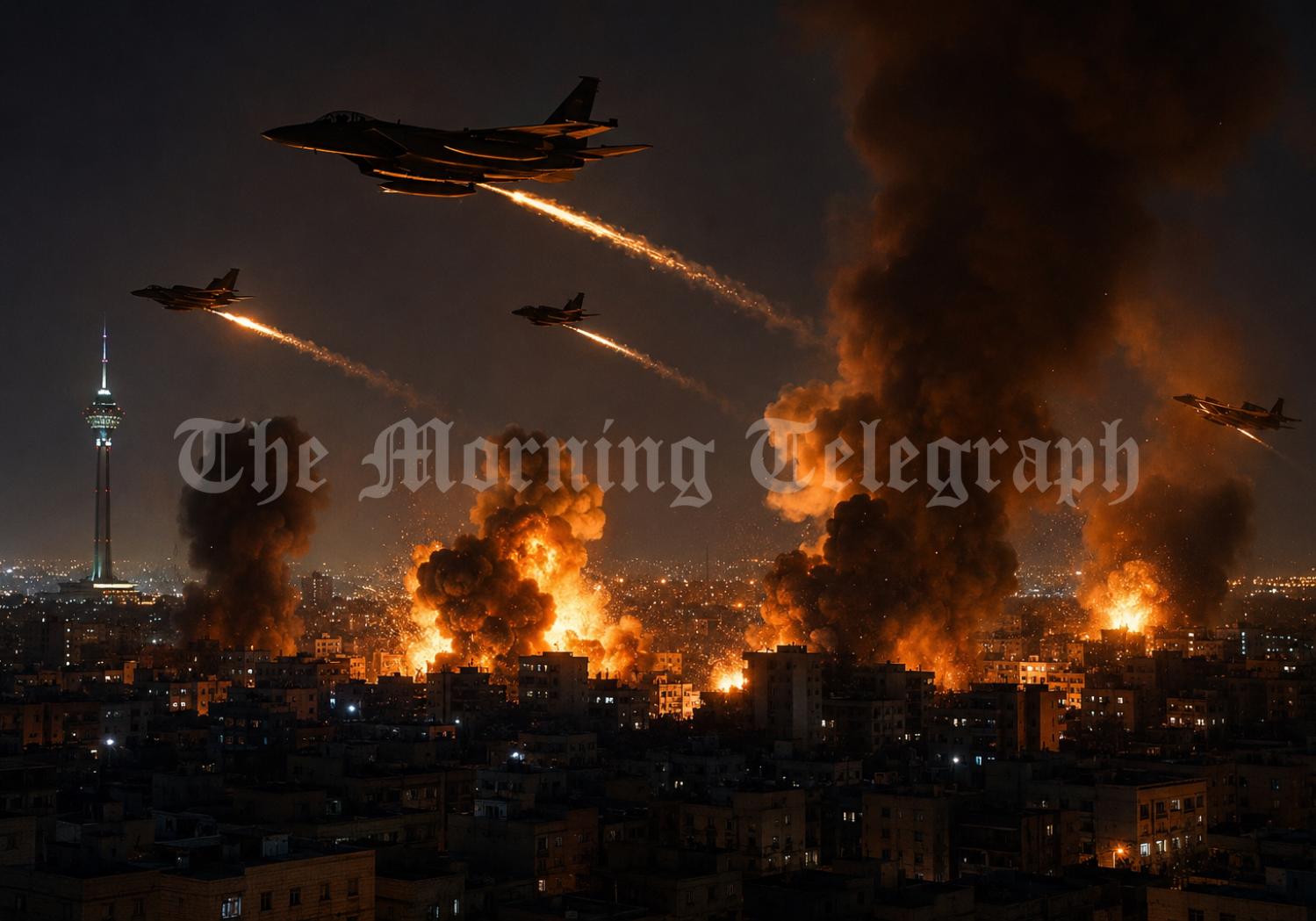
WASHINGTON/TEHRAN — US strikes on Iran have triggered fresh fears of a wider Gulf war after Washington said it hit more than 80 targets following alleged Iranian attacks on commercial vessels in the Strait of Hormuz.
US Central Command said the strikes targeted Iranian air defence systems, command centres, coastal radar sites, anti-ship missile facilities and Islamic Revolutionary Guard Corps assets around the strategic waterway. Reuters reported that more than 60 IRGC boats were also struck during the operation.

US Strikes On Iran Escalate Gulf Crisis
The attack marks one of the most serious escalations in the latest phase of the Iran conflict. It came after three tankers were reportedly hit near the Strait of Hormuz, one of the world’s most important oil shipping routes.
Washington described the Iranian actions as dangerous and said they violated the fragile ceasefire. However, Iran denied bowing to US pressure and accused Washington of wrecking the peace process.
Tehran said the American strikes directly violated the understanding reached last month to reduce hostilities.
The retaliation came quickly. Iran’s Revolutionary Guards said they targeted US military sites in Bahrain and Kuwait, claiming strikes on 85 installations.
Reuters reported that the attacks pushed oil prices sharply higher. They also damaged hopes of turning the June 17 memorandum into a permanent peace agreement.
US President Donald Trump declared that the agreement with Iran was “over.” He said he had no interest in further talks with Tehran after the attacks on American positions in the Gulf.
Strait Of Hormuz Becomes Flashpoint Again
The crisis now places the entire Middle East and Gulf region on edge. Bahrain hosts the US Fifth Fleet, while Kuwait remains a major American military hub.
Any direct Iranian strike on those facilities risks widening the conflict beyond Iran and the United States.
The Strait of Hormuz remains the centre of the confrontation. A large share of global oil and liquefied natural gas passes through the narrow waterway.
As a result, any military escalation there threatens energy markets, shipping routes and global inflation.
The latest strikes also come during a politically sensitive moment inside Iran, where the country has been observing funeral rites for Supreme Leader Ayatollah Ali Khamenei.
That atmosphere has intensified public anger and made compromise even harder.
For now, both sides blame each other for destroying the ceasefire. Washington says it acted to protect international commerce.
Tehran says the United States used the tanker attacks as a pretext to resume military aggression.
What is clear is that the conflict has entered a dangerous new stage. The US has moved from warning Iran to striking deep into its military network.
Iran has moved from threats to attacks on American-linked bases in the Gulf.
With oil prices rising, shipping under threat and US bases exposed, the Middle East is once again standing on the edge of a wider war.