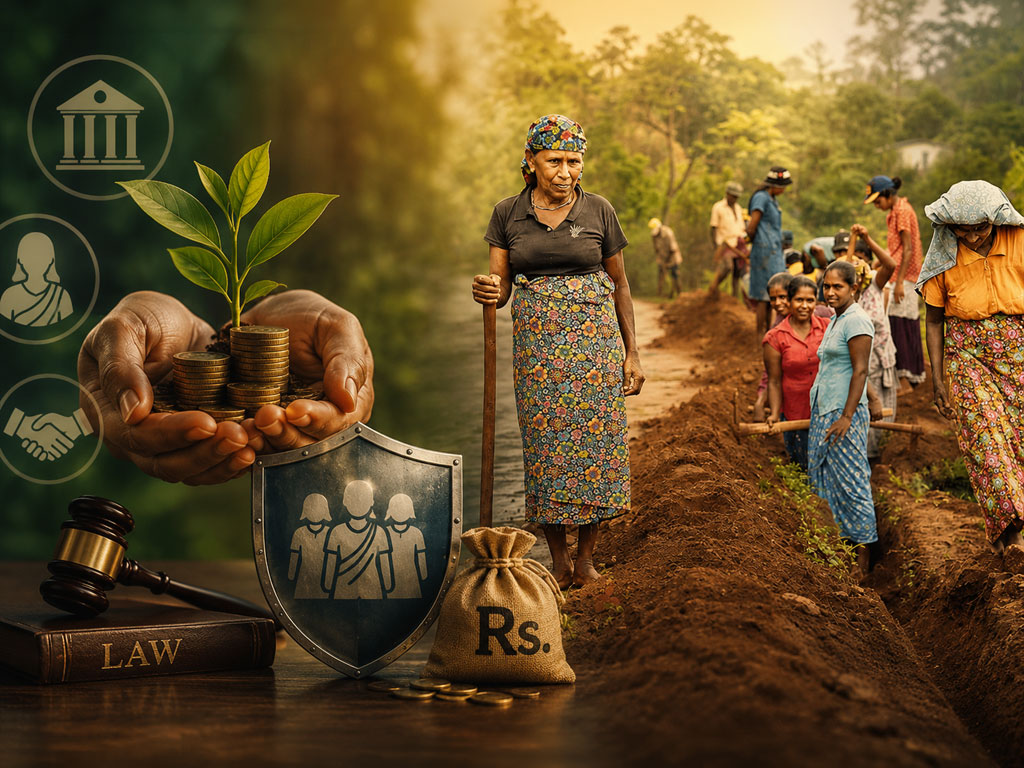
Sri Lanka microfinance law promises stronger oversight, but its success depends on whether indebted women receive fair treatment and real protection.
The Sri Lanka microfinance law has introduced stronger regulation, but thousands of indebted women are still waiting to see whether it delivers meaningful protection.
Parliament certified the Microfinance and Credit Regulatory Authority Act, No. 9 of 2026, in March this year. It replaces the previous legislation introduced in 2016.
The Act establishes a new authority to regulate microfinance institutions and moneylenders. It also aims to strengthen licensing, improve supervision and expand consumer safeguards across the sector.
The reform follows years of concern over the conduct of some microfinance providers. Those concerns have been particularly serious in rural communities, where many women rely on small loans.
Borrowers often use this credit to support household income, agriculture and self-employment. However, allegations of aggressive recovery methods and growing debt distress have repeatedly entered public debate.
Successive governments promised stronger regulation. The new law represents the Government’s most significant attempt so far to restore public confidence.
However, its impact will depend on implementation. Authorities must issue the required Gazette notifications and ensure the new regulator uses its powers effectively.

Sri Lanka Microfinance Law Meets a Divided Lending System
The legislation arrives as another Government-backed programme presents a more positive picture of women’s access to formal finance.
Under Sri Lanka’s Women Entrepreneurs Finance Code, known as the WE Finance Code, women-owned and women-led micro, small and medium enterprises held Rs. 559 billion in outstanding business loans by the end of March 2026.
That amount represented 28 percent of the nearly Rs. 2 trillion MSME loan portfolio reported by participating domestic banks.
During the programme’s first year, women entrepreneurs also secured Rs. 145.5 billion in new business loans.
More than 26,000 women-led enterprises received fresh financing. They accounted for almost one-third of all approved MSME loans.
These figures show that women can gain greater access to credit when lenders operate through structured, transparent and regulated banking systems.
However, a sharp divide remains.
Formal banks are expanding opportunities for women entrepreneurs, while many low-income women outside the banking system still rely on alternative lenders.
They often seek emergency credit or working capital without access to the protections available through formal institutions.
Financial analysts say legislation alone cannot close this gap. Sri Lanka also needs strong supervision, consumer education, affordable credit alternatives and accessible complaint procedures.
Ultimately, the success of the Sri Lanka microfinance law will not depend on its wording alone.
It will depend on whether women experience fairer lending, safer borrowing and greater financial security in their daily lives.