LPL betting sponsorships, spot-fixing risks and delayed gambling rules are raising serious concerns over the tournament’s credibility.
The LPL betting sponsorships debate has intensified as Sri Lanka’s premier franchise cricket tournament balances major economic benefits against growing concerns over gambling influence.
The Lanka Premier League aims to establish itself among the world’s leading domestic cricket competitions. However, its extensive association with betting-related sponsors has created a public perception that it now carries more gambling-linked partnerships than any other South Asian tournament.
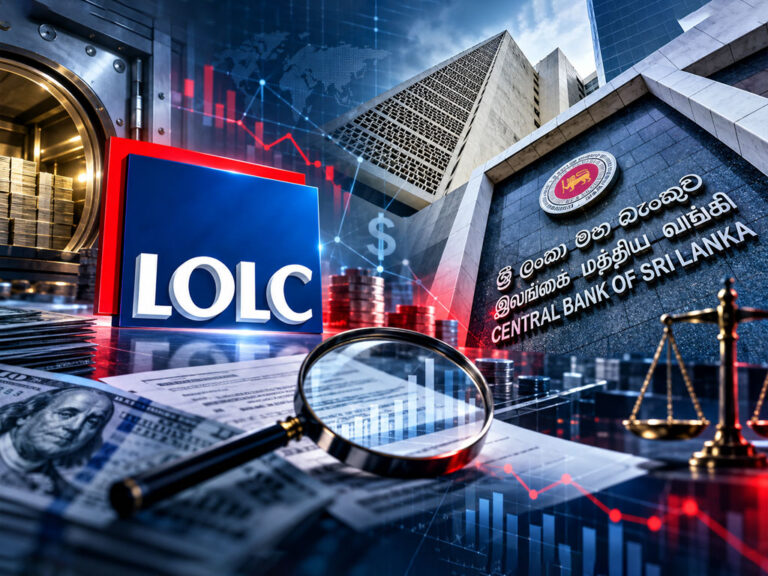
The competition reportedly attracts a USD 20 million investment through the Innovative Production Group. It also generates an estimated USD 11 million in annual foreign exchange for Sri Lanka.
Those figures show the LPL’s economic importance. Yet the expansion of online gambling networks and continuing sports-corruption allegations threaten the tournament’s long-term credibility.

LPL Betting Sponsorships Exploit Legal Loopholes
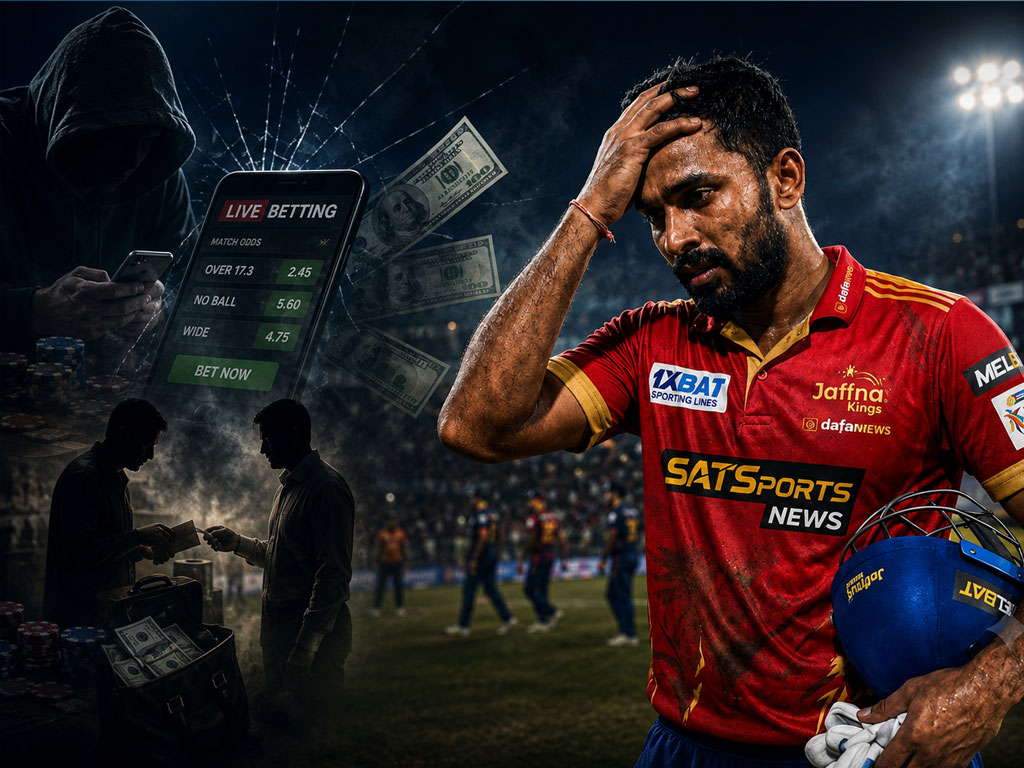
The current sponsor list includes several brands presented publicly as sports news platforms. Critics allege that some function as surrogate identities for established international betting operators.
They include:
- 1XBat, described as a surrogate brand for 1xBet
- Dafanews, linked to Dafabet
- MelBat, associated with MelBet
- SkyFair.News, linked to SkyFair
- Dangal 365 and SATsports News
- STBet and SS Bet, described as locally licensed entities
Although these brands appear as news portals, critics say their underlying purpose is to direct cricket audiences towards online gambling platforms.
Such applications allow users to bet not only on final match results but also on live events as a game unfolds.
This surrogate sponsorship model can help betting-related operators maintain visibility while avoiding restrictions placed on direct gambling promotions.
Micro-Betting Expands Spot-Fixing Risks
Online betting has also changed the nature of cricket corruption.
A player no longer needs to manipulate an entire result. Instead, betting markets may cover very small events, including runs scored in one over, a no-ball or a wide delivery.
This practice, commonly associated with micro-betting, creates opportunities for spot-fixing and large financial payouts.
The article alleges that unregistered player managers and intermediaries operate behind these networks. Some reportedly maintain accounts in foreign financial centres such as Dubai.
They are also accused of using illegal Hawala channels to transfer money outside conventional banking systems. Such arrangements can make transactions harder for Sri Lankan law-enforcement agencies to trace.
Team Owners Face Serious Allegations
Concerns involving franchise owners have created an even greater threat to the tournament.
Dambulla team owner Tamim Rahman was arrested in 2024. He later received a four-year suspended sentence in January 2026, according to the article.
Further controversy followed on the opening day of the 2026 competition.
Indian national Manjot Kalra, identified as a co-owner of the Jaffna franchise, was arrested by the Police Special Investigation Unit.
Authorities accused him of attempting to bribe five Sri Lankan national players with Rs. 9.5 million.
The allegation intensified scrutiny of franchise ownership, financial backgrounds and the safeguards used when approving investors.
Questions Surround LPL Anti-Corruption Oversight
Claims have also emerged that the International Cricket Council no longer directly manages the tournament’s anti-corruption monitoring.
Instead, critics say an Indian private company called Integrity Mentors has received responsibility for some integrity-related functions.
However, the company’s reported role is limited to player education and betting-odds monitoring. State enforcement remains with the Police Special Investigation Unit operating under the Ministry of Sports.
The SIU’s arrest of Kalra indicates that Sri Lanka’s legal system remains active to some extent.
The five players reportedly alerted authorities promptly, allowing investigators to act under the Prevention of Offences Related to Sports Act No. 24 of 2019.
Therefore, private integrity monitoring and criminal enforcement remain separate responsibilities.
Gambling Regulations Remain Delayed
The National People’s Power Government came to office promising stronger anti-corruption action. However, critics have questioned the Youth Affairs and Sports Minister’s reportedly friendly engagement with tournament organisers.
The Government also appears determined to protect the LPL’s USD 11 million foreign exchange contribution.
Yet the larger problem concerns regulatory delays.
Authorities had expected to introduce regulations under the Gambling Regulatory Authority Act No. 17 of 2025 by June 2026.
Those rules have still not been issued, according to the article. The delay has allowed surrogate betting brands to exploit gaps in the existing legal framework.
The LPL remains commercially important to Sri Lankan cricket and the wider economy. However, authorities cannot allow those benefits to turn the tournament into a gateway for international gambling interests.
Sri Lanka must examine franchise owners more rigorously, introduce the delayed gambling regulations and strengthen the SIU.
The future of the tournament, the integrity of Sri Lankan cricket and the country’s reputation will depend on whether the law can keep pace with the expanding influence of LPL betting sponsorships.