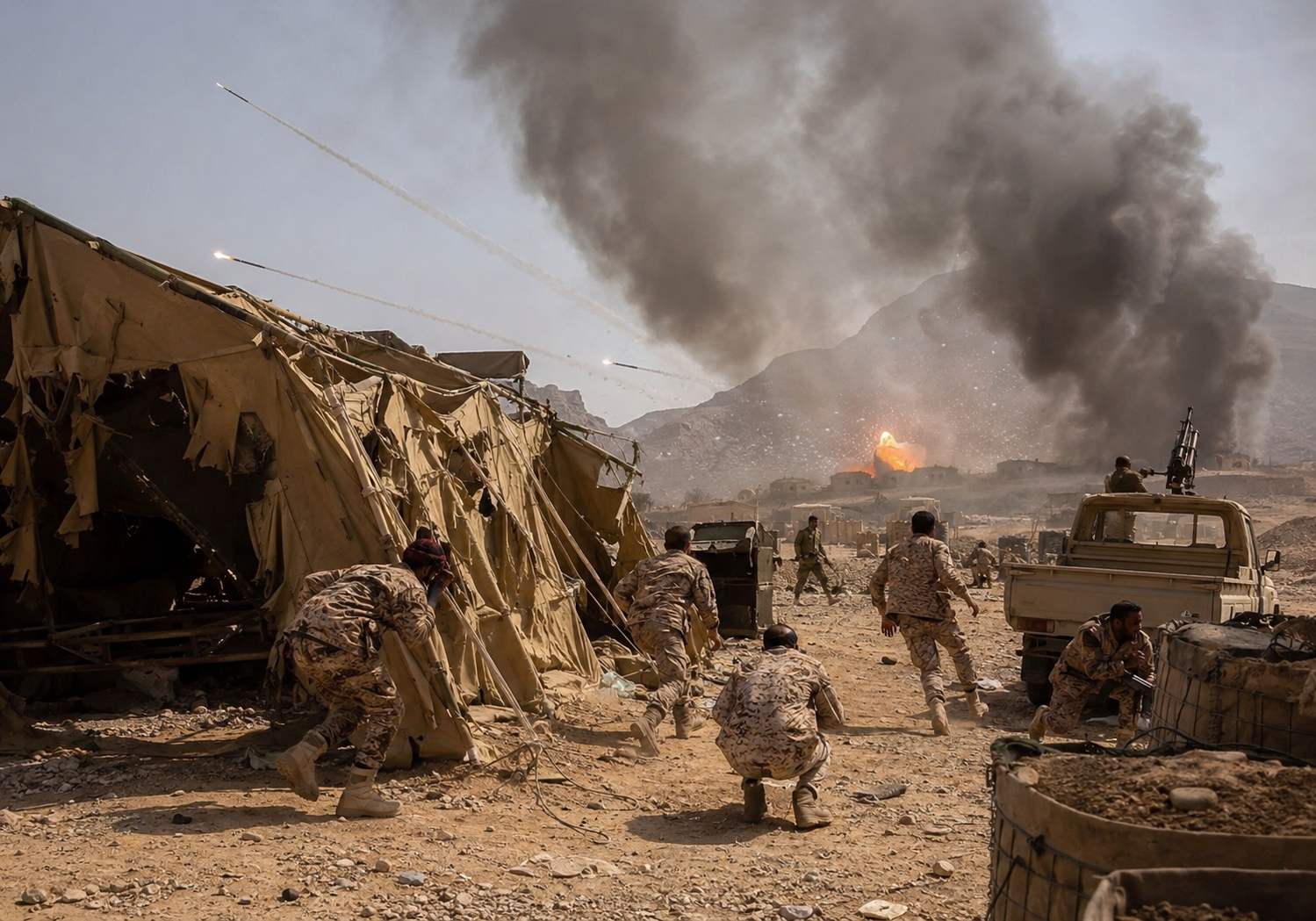
Houthi attacks in Yemen killed at least 30 government troops and wounded more than 50 in missile and drone strikes on two military camps.
At least 30 Yemeni government soldiers died after Houthi attacks in Yemen struck military camps in the central province of Marib and eastern Hadramout.
Government officials said the coordinated missile and drone strikes on Thursday, August 6, also wounded more than 50 troops. They warned that the death toll could rise because several injured soldiers remained in serious condition.

The operation marked one of the deadliest assaults on Yemeni government forces since an informal truce sharply reduced major fighting in 2022, ending years of frequent large-scale clashes across key fronts.
Houthi Attacks in Yemen Hit Two Provinces
The attacks targeted government military positions in Marib, a strategically important central province, and Hadramout in eastern Yemen.
Yemen’s internationally recognised government confirmed that its forces had suffered deaths and injuries. However, military officials did not immediately publish a complete casualty figure.
Government and medical sources later told international news organisations that at least 30 soldiers had died. Some reports placed the toll higher, but authorities had not independently confirmed those figures.
The Houthis claimed responsibility and said they used ballistic missiles and drones against the military camps.
Houthi military spokesman Brigadier General Yahya Saree said the operation targeted what the group described as Saudi military deployments and Saudi-backed forces in both provinces.
He also claimed the strikes caused extensive casualties and destroyed military equipment. However, independent sources could not verify the Houthis’ account of the damage.
Houthis Point to Saudi-Backed Build-Up
The Houthi leadership said it carried out the attacks in response to what it called a build-up of Saudi-supported forces in eastern Yemen.
Saudi Arabia has supported Yemen’s internationally recognised government throughout the country’s long civil war. Riyadh led a military coalition that intervened in 2015 after the Houthis captured Sanaa and forced the government from the capital.
Since then, the conflict has divided Yemen. The Houthis control much of the north and west, while government forces and allied groups hold other areas.
A United Nations-brokered ceasefire expired in October 2022. Nevertheless, major cross-border fighting remained far lower than during the war’s earlier years.
As a result, the latest Houthi attacks in Yemen have raised fears that the country could face another period of intensified warfare.
Deadly Strikes Fuel Escalation Fears
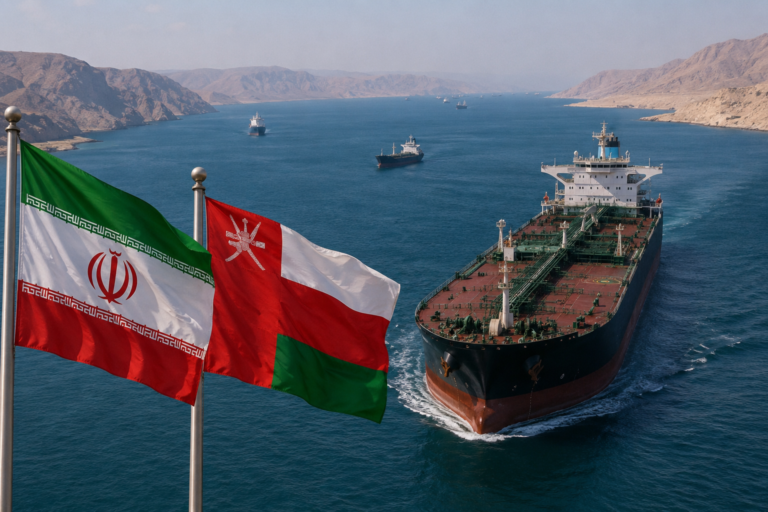
The attacks came amid rising tensions across the Middle East. The Houthis maintain close political and military links with Iran.
Marib remains crucial because it contains important energy resources. It also serves as one of the Yemeni government’s strongest remaining positions in northern Yemen.
Hadramout, Yemen’s largest province, includes oil-producing areas, ports and key transport routes. Therefore, a major escalation there could weaken the government and threaten vital economic infrastructure.
The United States mission to Yemen condemned the attacks as acts of terrorism and warned against further escalation.
The Yemeni government did not immediately announce a retaliatory operation. However, officials said the attacks would not go unanswered and urged the international community to act against the Houthis.
The renewed violence could also undermine diplomatic efforts to secure a wider political settlement.
Years of war have killed tens of thousands of people, displaced millions and created a severe humanitarian crisis.
Officials continued assessing the casualties after the attacks. Meanwhile, they warned that the number of soldiers killed in Marib and Hadramout could rise further.