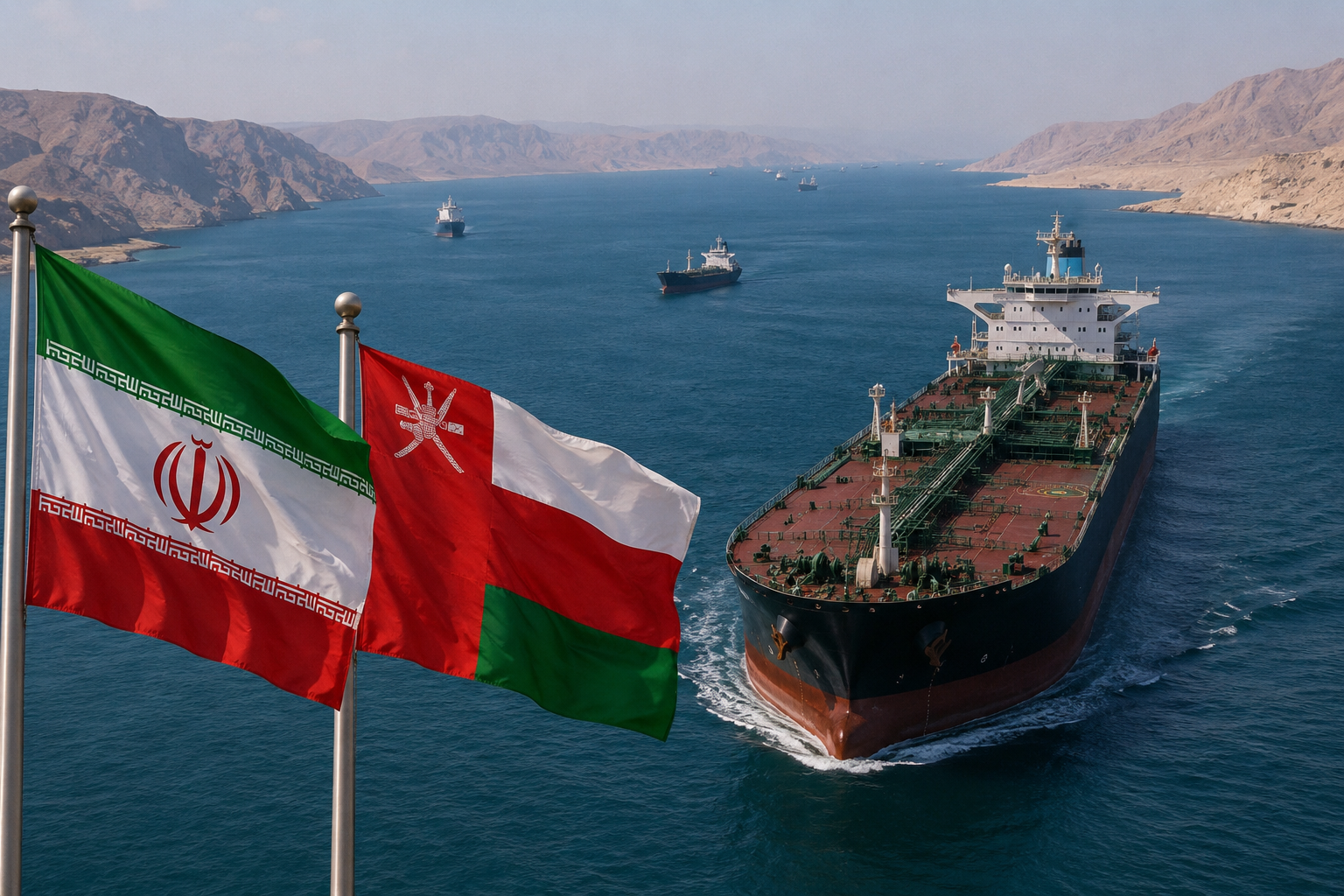
Hormuz agreement talks advance as Iran and Oman settle a shipping route, but disputes over US restrictions and maritime control remain.
Iran says the Hormuz agreement with Oman is close to completion after the two countries settled the coordinates of a proposed shipping route through the strategic waterway.
Tehran’s Foreign Ministry said officials were completing the draft framework for managing commercial traffic. However, serious political and security disputes still stand between the proposal and a final announcement.

The emerging arrangement could allow more vessels to move through one of the world’s most important energy corridors. Iran would oversee inbound traffic entering the Persian Gulf. Oman would manage outbound shipping, according to officials and people familiar with the talks.
However, Washington opposes any framework that gives Tehran recognised control over vessels entering the Gulf. The United States also insists that international shipping must pass safely, freely and without compulsory tolls.
Hormuz Agreement Advances With Oman
Iranian officials said Tehran and Muscat had agreed on the coordinates of the proposed maritime lanes. Both sides are now working through the remaining legal and operational details.
Oman has acted as a central mediator during the conflict between Iran and the United States. Muscat has sought a temporary maritime arrangement that could reduce tensions, restore trade and support broader diplomatic negotiations.
Iran maintains that it is negotiating directly with Oman rather than Washington. Nevertheless, American demands remain central because the United States maintains a naval blockade affecting Iranian ports and Iran-linked shipping.
Under the current proposal, Iran would supervise vessels travelling into the Gulf. Oman would oversee ships leaving the region. Tehran has also sought visibility over outbound traffic and the ability to intervene under certain conditions.
Earlier proposals reportedly included voluntary service charges for security and environmental protection. However, the United States has demanded open shipping lanes without tolls. Washington also wants Iran to state publicly that it will stop attacks on vessels.
US Blockade Remains the Central Dispute
Iran says any reopening depends on Washington ending its blockade of Iranian ports. Tehran argues that it cannot fully normalise commercial passage while American restrictions continue against its own maritime trade.
The United States, however, wants firm guarantees before changing its position. American officials have called for unrestricted access, no compulsory fees and protection for every commercial vessel using the strait.
That dispute remains the biggest obstacle to completing the Hormuz agreement. Iran wants formal authority over traffic passing through waters it considers under its jurisdiction. Washington fears such recognition could allow Tehran to control, delay or threaten international shipping.
The disagreement may force both sides to accept a temporary compromise. Such a deal could restore part of the traffic while leaving the most sensitive questions for future negotiations.
Recent maritime incidents have highlighted the continuing danger. A cargo vessel was struck in the strait during the diplomatic push, although reports said its crew remained safe. The incident reinforced concerns among shipping companies and insurers.
Oil Markets Await a Possible Breakthrough
Global energy markets are closely following the negotiations because the Strait of Hormuz carries a major share of international oil and gas supplies.
Before the conflict, approximately 20 million barrels of crude oil and petroleum products passed through the waterway each day. The International Energy Agency said average flows later fell to about 2.7 million barrels per day during March, April and May.
The disruption also reduced liquefied natural gas supplies from Qatar and the United Arab Emirates. As a result, producers, traders and governments have treated reopening the strait as a major priority.
Oil prices slipped below $80 as investors responded to hopes of progress. However, markets remain vulnerable because negotiations could fail or renewed military action could again threaten vessels.
A final Hormuz agreement could allow Gulf exporters to increase shipments and reduce the security premium built into energy prices. Still, shipping firms may remain cautious until Iran, Oman and the United States publicly confirm the rules and demonstrate that the route is safe.