By Roy Denish.
Sri Lanka gun violence has left 14 dead in 21 shootings in 2026, as police target offshore syndicates, drug networks and hired gunmen.
COLOMBO, Sri Lanka – Sri Lanka gun violence has surged again in 2026, with at least 21 shooting incidents leaving 14 people dead across the island. In one recent early-morning attack, two men on a red motor scooter moved through traffic in a quiet suburb outside Colombo. Within seconds, suppressed gunfire rang out. Another victim was left bleeding on the pavement as the attackers disappeared into the surrounding urban area. The shooting was not an isolated case. From suburban neighborhoods to southern coastal hubs, contract killers and armed syndicate hitmen have increasingly turned public streets into deadly battlegrounds.
Investigators examining the recent wave of assassinations have identified a troubling pattern. The gunmen who carry out the attacks are often low-level operatives acting on instructions sent from thousands of miles away. Police intelligence indicates that leading figures in criminal syndicates manage their networks from offshore safe havens, mainly in Dubai and parts of Southeast Asia.
Using encrypted messaging platforms, these leaders coordinate illicit shipments, recruit local shooters, and order contract killings of rivals or police informants. Authorities describe the modern underworld as functioning like a distributed corporate franchise. A message from abroad can trigger a fund transfer, another courier can supply the weapon, and a hired shooter can carry out the killing.
Sri Lanka Gun Violence Driven by Drug Turf Wars
At the center of the violence is the country’s lucrative illicit narcotics trade. As stronger maritime interdictions put pressure on drug cartels, domestic supply lines have tightened. The resulting scarcity has fueled aggressive turf battles between rival groups competing for control of remaining distribution channels.
Recent targeted attacks also point to another strategy. Criminal groups appear determined to eliminate informants and intimidate witnesses before high-profile court proceedings can take place.
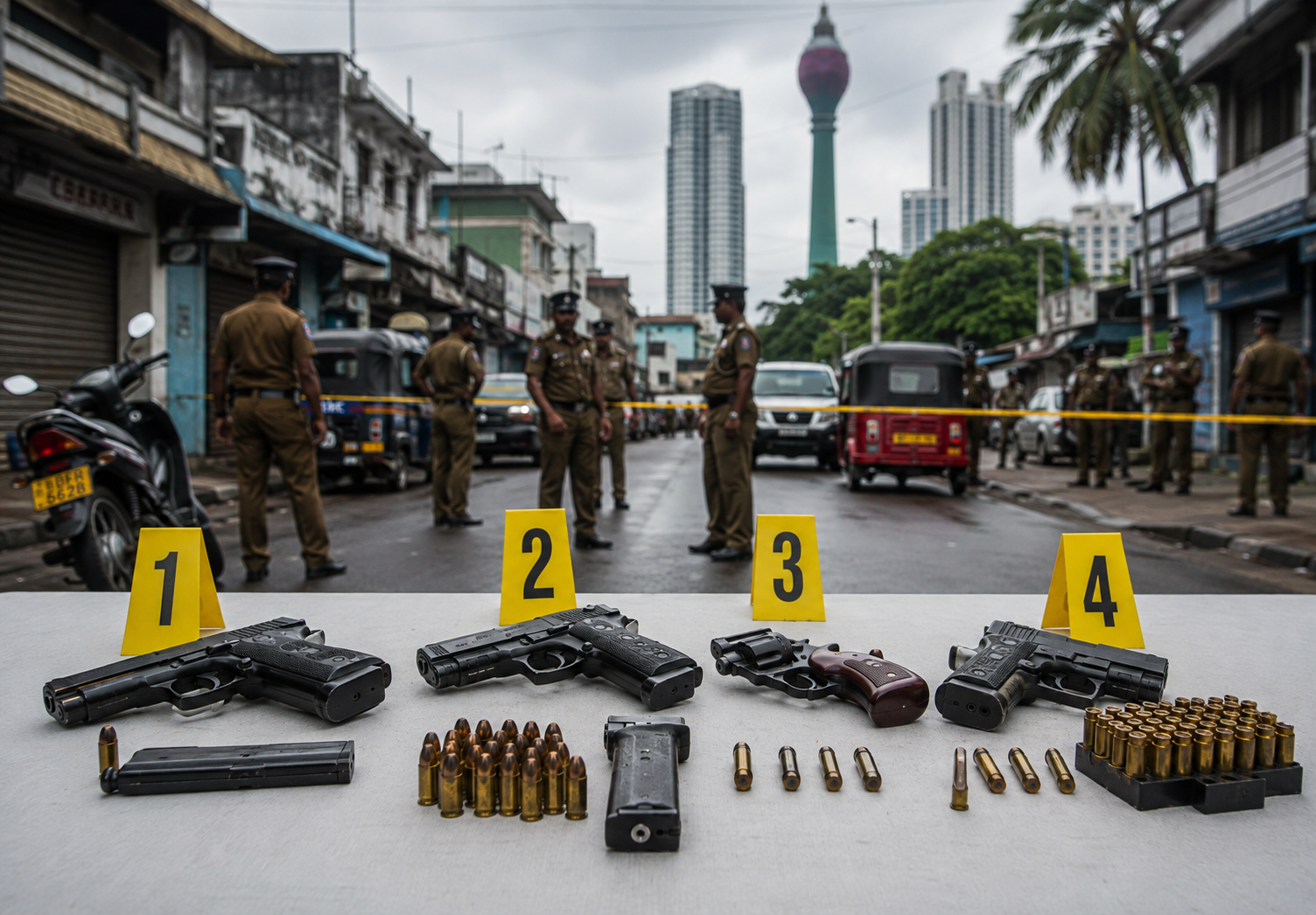
Despite continued law enforcement sweeps and the recovery of numerous illegal firearms, small arms still circulate through urban areas. Automatic rifles and semi-automatic handguns remain common weapons in these attacks. They often enter local criminal networks through illegal maritime routes.
Intelligence reports also show that gangs increasingly recruit inexperienced young men or financially vulnerable people for single assignments. Recruiters attract them with promises of quick payments or relief from debt.
Overseas Networks and Prison Links Complicate Crackdown
The crisis extends into Sri Lanka’s correctional system. Severe overcrowding in detention facilities makes it harder to stop inmates from staying connected to active gang networks. Suspects awaiting trial often maintain contact with street operatives. As a result, turf wars can move between detention centers and surrounding communities.
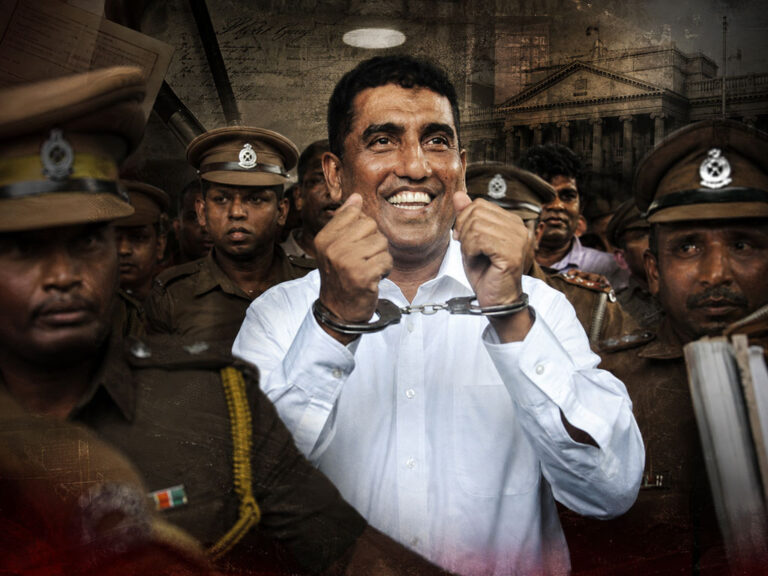
Sri Lanka Police and the Special Task Force have intensified targeted intelligence operations in response. Authorities have made several swift arrests using surveillance footage and tactical tracking.
However, criminologists argue that tactical operations alone will not solve the deeper problem. Experts say long-term efforts to curb Sri Lanka gun violence will require stronger diplomatic action to extradite gang leaders based overseas. They also call for stronger maritime security along coastal corridors and tighter controls inside correctional facilities to disrupt criminal communications.