By Roy Denish.
Sri Lanka inflation reached 8.0% in August 2026 as food prices surged, while core inflation rose and the rupee weakened further.
COLOMBO – Sri Lanka’s headline inflation accelerated to a three-year high of 8.0% year-on-year in August 2026, driven by a sharp rise in food prices, according to official data released by the Department of Census and Statistics.
The rate increased by 0.7 percentage points from 7.3% in July, exceeding the Central Bank of Sri Lanka’s upper target band of 7% for the second consecutive month.
According to official data, year-on-year food inflation surged to 8.5% in August from 6.3% in July, while non-food inflation eased marginally to 7.7% from 7.8%.

Core inflation, which excludes volatile items such as food and energy, accelerated to 5.1% year-on-year, compared with 4.4% in the previous month, while the overall consumer price index rose by 0.6 points to reach 208.8.
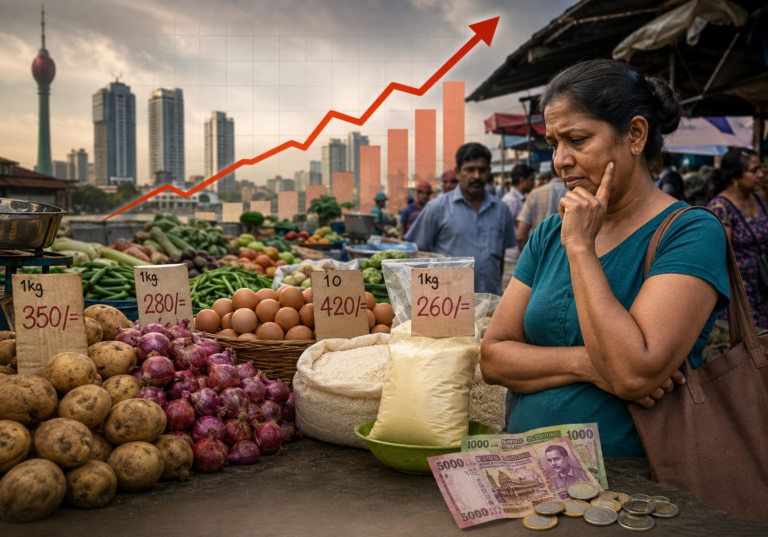
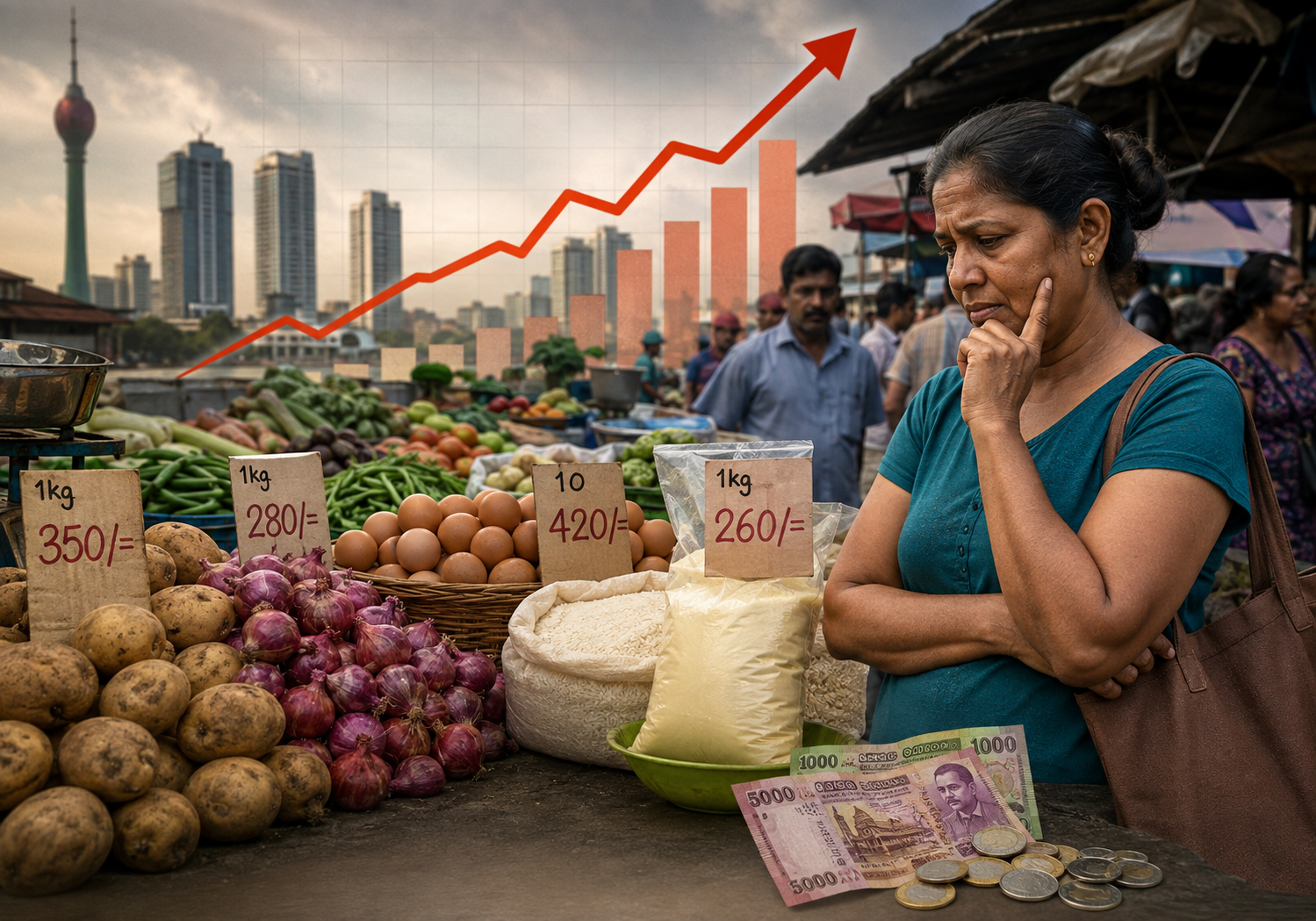
The Department noted that overall household expenditure on the market basket rose by Rs. 526.15 month-on-month, with price increases heavily concentrated among essential kitchen commodities and imported food products, including milk powder.
Conversely, non-food inflation remained relatively stable as pressures from housing, utilities, and transport costs eased slightly.
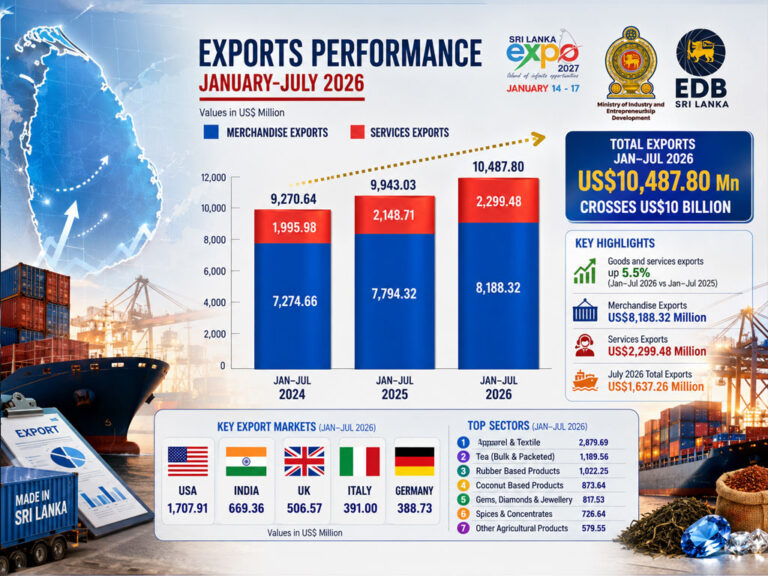
The sustained rise in headline inflation comes amid broader macroeconomic challenges. Data from the Central Bank indicates that Sri Lanka’s current account recorded a deficit of $142 million in July, remaining in deficit for a fourth consecutive month as export revenues declined and the merchandise trade deficit widened.
Furthermore, the Sri Lankan rupee has depreciated by 5.5% against the US dollar year-to-date, adding cost-push pressure to imported essential goods.
Central Bank Governor projections indicate that inflation may ease back towards the 5.0% target level by the end of the year, provided global crude oil prices remain stable at around US$80 per barrel. However, the continued rise in essential food prices presents a persistent challenge to household purchasing power, particularly in urban and lower-income communities.