By Roy Denish.
Sri Lanka digital transformation plans include 1,000 new 4G towers, digital public services, and safeguards for access and data security.
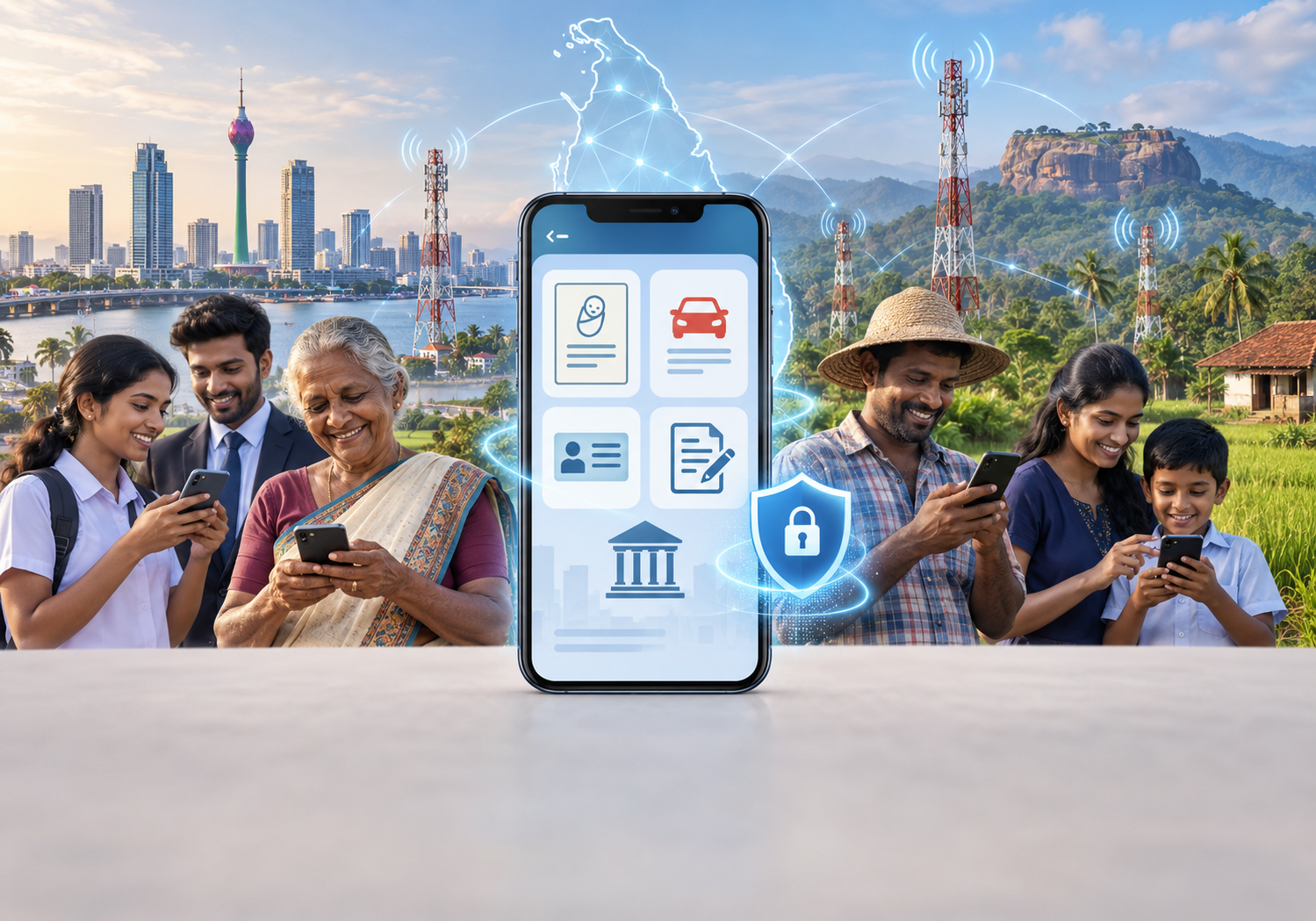
Sri Lanka digital transformation plans are gaining momentum through a proposed LKR 30 billion initiative to deploy 1,000 new 4G towers and move essential public services onto smartphone applications. These services could include birth certificate issuance and vehicle licence renewals. The plan aims to reduce long queues and improve efficiency. However, technology analysts and stakeholders are raising concerns about digital literacy, infrastructure equality, and data security.
Accessibility remains a major concern, especially for older people and rural communities. Stakeholders note that many citizens lack smartphone skills or struggle to navigate mobile data services. Without targeted digital literacy programmes, an online-first model could exclude vulnerable groups instead of making government services easier to access.

Sri Lanka Digital Transformation Faces Connectivity Test
Urban areas benefit from coverage, but regional and remote communities still face inconsistent signals. Experts say nationwide e-governance depends on reliable underlying infrastructure. Authorities must therefore place the 1,000 planned towers strategically to close rural connectivity gaps. Otherwise, failed transactions and service interruptions could push citizens back toward traditional in-person government offices.
The digitisation of sensitive records, including land deeds and civil registry documents, also raises cybersecurity concerns. Strong security frameworks will be essential as the state develops centralised digital platforms and expands access to citizen data.
Sri Lanka digital transformation efforts could help reduce administrative delays and opportunities for systemic corruption. However, their success will depend on inclusive implementation. Policymakers must expand infrastructure while improving digital literacy and protecting personal information. Ultimately, technology must function as an accessible bridge for every section of society, rather than becoming another barrier to essential public services.