By Dwayne Ferreira.
Cristiano Ronaldo accuses Portugal coach Jorge Jesus of broken promises after leaving the national camp, but insists he is not retiring.
LISBON, Portugal – Cristiano Ronaldo has triggered a major controversy in international football after accusing Portugal head coach Jorge Jesus of repeatedly breaking promises, explaining his decision to walk out of the national team’s training camp and insisting that he has no intention of ending his international career.
The 41-year-old superstar, widely regarded as one of the greatest footballers of all time, issued a lengthy public statement on October 6 detailing the circumstances surrounding his departure from the Portuguese squad.
The dispute has placed Ronaldo’s international future under intense scrutiny, with questions emerging over player authority, managerial control and how Portugal should manage the final chapter of its most celebrated footballer’s career.
What Triggered the Dispute?
According to Ronaldo, the disagreement began over arrangements concerning his playing time during Portugal’s UEFA Nations League fixtures.
The veteran forward claimed that an initial understanding had been reached with head coach Jorge Jesus under which he would not participate against Norway and Denmark as part of an effort to manage his fitness.
However, Ronaldo alleged that the coach subsequently changed the arrangement and informed him that he would play approximately 30 minutes against Norway.
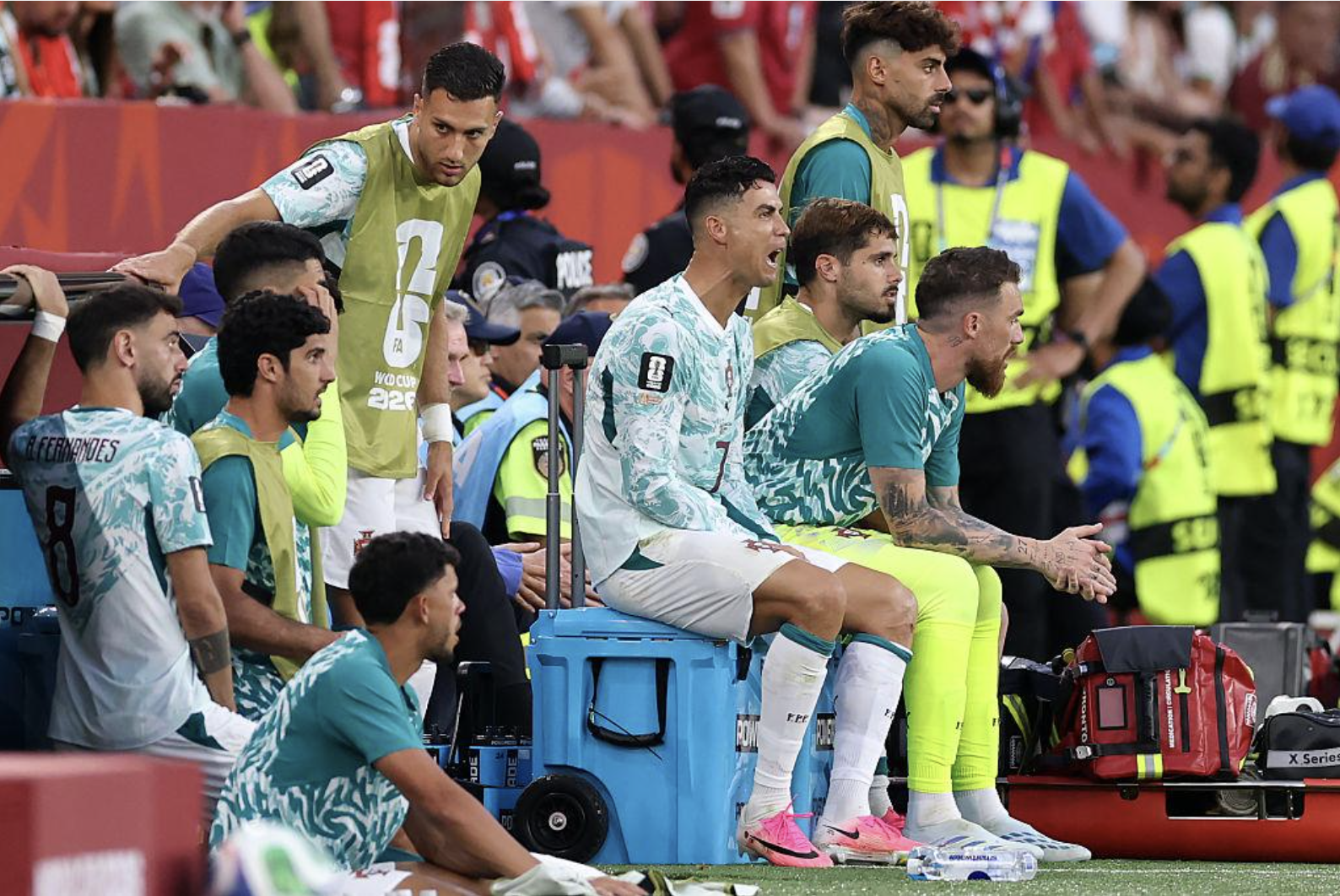
Ronaldo said he prepared to enter the match, warming up from half-time onwards, only to remain on the substitutes’ bench.
The failure to introduce him into the game became a significant source of frustration.
In his subsequent statement, Ronaldo accused the coach of failing to honour the agreement.
“The manager had broken his word to me,” he declared.
Eight-Point Agreement Adds to Controversy
Ronaldo claimed that an attempt was subsequently made to resolve the disagreement through discussions involving the coach and representatives associated with his club, Al Nassr.
According to the Portuguese forward, a document containing eight points was prepared to clarify the circumstances surrounding his omission.
The proposed statement reportedly included assurances that Ronaldo had not demanded playing time, had respected the coach’s authority and had not attempted to interfere with tactical decisions.
Ronaldo claimed that the parties had agreed the coach would clarify the situation publicly.
However, he alleged that the coach’s subsequent comments did not reflect what had been discussed privately.
Feeling that another commitment had been broken, Ronaldo decided to leave the Portuguese national team’s camp ahead of its Nations League fixture against Denmark.
The allegations remain Ronaldo’s account of the events, and the precise nature of the understandings between player and coach has not been independently established.
Ronaldo Accepts Responsibility but Will Not Retire
Despite his criticism of the Portuguese coaching setup, Ronaldo has acknowledged that leaving the national team camp was a serious decision.
He has expressed regret over aspects of his conduct and indicated that he would accept disciplinary consequences.
Importantly, he has rejected the suggestion that the dispute signals his retirement from international football.
Ronaldo maintains that he remains available for national selection once any disciplinary measures have been resolved, provided he is physically capable of contributing.
That position suggests that the forward still believes he has a role to play in Portugal’s future.
Nevertheless, the episode has raised difficult questions about whether the relationship between Ronaldo and the national team’s management can be repaired.
Portugal Divided Over Football’s Biggest Name
The dispute has generated contrasting reactions among supporters, former players and football commentators.
Those sympathetic to Ronaldo argue that a player who has contributed so much to Portuguese football deserves clear communication and respectful treatment.
They point to his exceptional international scoring record, longevity and influence on Portugal’s development into a major international footballing force.
Others believe that the authority of the national coach must take precedence over any individual player’s reputation.
From that perspective, allowing a high-profile footballer to challenge managerial decisions publicly could undermine dressing-room discipline and create problems for younger players.
The controversy therefore extends beyond the question of whether Ronaldo should have appeared against Norway.
It concerns how a national team should balance respect for its greatest player with the authority required to manage a competitive international squad.
Coach and Federation Leave Door Open
Despite the disagreement, Portugal’s football leadership has not ruled out Ronaldo’s return.
Jorge Jesus has indicated that the forward remains an important figure, while Portuguese Football Federation President Pedro Proença has publicly supported the possibility of resolving the dispute.
The federation’s approach suggests that officials would prefer reconciliation rather than a permanent separation.
Portugal’s upcoming Nations League commitments in November could provide an opportunity to determine whether Ronaldo and the coaching staff can restore their working relationship.
However, any return would likely require a clear understanding of the player’s responsibilities, selection expectations and the coach’s final authority over team decisions.
Two Football Legends, Two Contrasting Situations
The Ronaldo controversy has unfolded during the same week that Lionel Messi brought his international career with Argentina to an emotional conclusion.
While Messi received an extraordinary farewell in Buenos Aires, Ronaldo finds himself at the centre of a dispute that threatens to overshadow the closing stages of his own international career.
The contrast has attracted considerable attention.
Both footballers have dominated their generation, accumulated extraordinary individual records and inspired millions of supporters worldwide.
Yet their respective international circumstances now appear markedly different.
Messi has concluded his national-team career amid celebration, while Ronaldo remains determined to continue playing despite a public disagreement with Portugal’s coaching establishment.
Whether Ronaldo eventually receives a similarly emotional farewell will depend partly on how the present dispute is resolved.
A Difficult Decision for Portugal
Ronaldo’s contribution to Portuguese football is beyond serious dispute.
He has represented his country for more than two decades, established extraordinary international goalscoring records and played a central role in Portugal’s rise as a competitive footballing nation.
However, international football is ultimately governed by team requirements rather than individual achievements.
Portugal must now decide how best to incorporate an ageing but enormously influential superstar into a squad that also needs to develop its next generation.
For Ronaldo, the challenge may be accepting a changing role while preserving the competitive intensity that has defined his career.
For Jorge Jesus, the responsibility is to maintain discipline and unity without allowing the dispute to become an unnecessary distraction.
Cristiano Ronaldo has made one thing clear: he is not ready to walk away from Portugal. The question now is whether Portugal can find a way to welcome him back without compromising the authority of its national coach.
Reporting sources:
Reuters via The Guardian; Al Jazeera; The Guardian — eight-point statement.