By Dwayne Ferreira.
Kusal Mendis replaces Dhananjaya de Silva as Sri Lanka’s Test captain ahead of the Pakistan tour. What does the leadership change mean?
COLOMBO, Sri Lanka – Sri Lankan cricket has entered another period of transition following the resignation of Dhananjaya de Silva as Test captain and the appointment of Kusal Mendis as his successor, a significant leadership change ahead of the national team’s challenging tour of Pakistan.
Sri Lanka Cricket (SLC) confirmed the development on Thursday, October 8, announcing that De Silva had relinquished the captaincy with immediate effect, ending a tenure that began in January 2024.
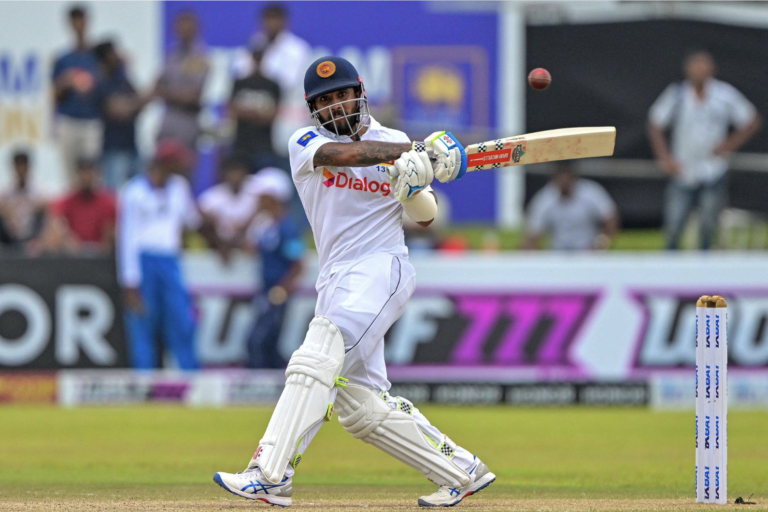
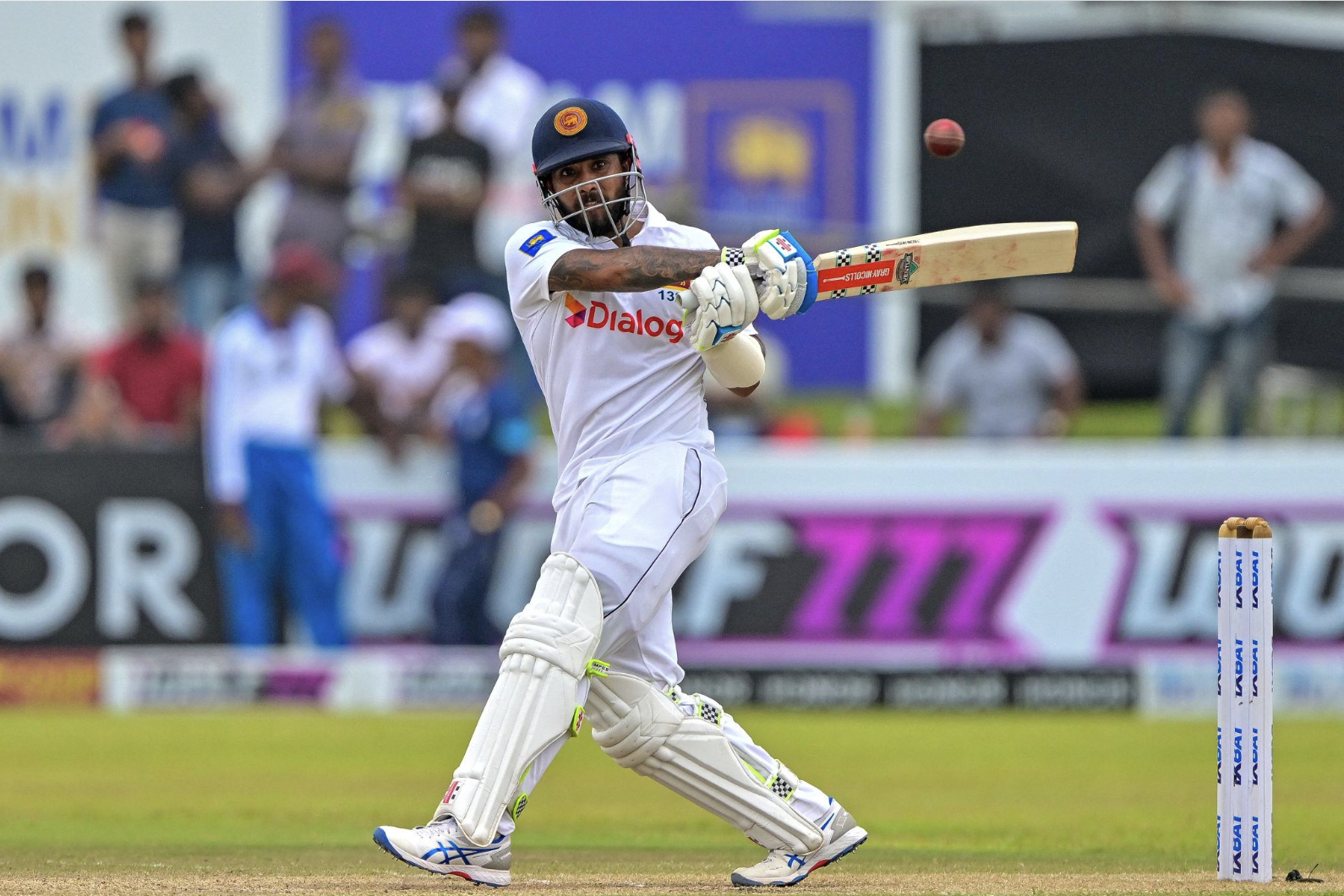
The selection committee subsequently appointed 31-year-old Mendis to lead the national Test side, placing one of Sri Lanka’s most experienced contemporary batsmen at the centre of the country’s efforts to revive its fortunes in international red-ball cricket.

Dhananjaya de Silva Calls for a New Generation
De Silva’s departure from the captaincy follows a period of mixed performances, during which Sri Lanka struggled to establish the consistency required to compete against leading Test nations.
In his resignation letter to the national selection committee, De Silva explained that he believed the time had come for a younger generation to assume responsibility for leading the team.
“It’s my genuine opinion that the mantle should go down to the next generation,” he stated.
The 35-year-old all-rounder made clear that his decision concerned the captaincy alone. He remains available for national selection and intends to continue representing Sri Lanka in Test cricket.
During his time as captain, De Silva led Sri Lanka in 18 Tests, recording seven victories. He also accumulated 1,130 runs at an average of 36.45 while taking nine wickets.
SLC Chief Executive Officer Ashley de Silva thanked the outgoing captain for his service and expressed appreciation for his willingness to continue contributing as a senior player.
Kusal Mendis Faces an Immediate Test
Mendis inherits a position that brings considerable responsibility, especially with Sri Lanka seeking to recover from disappointing results in the World Test Championship.
The new captain has represented his country in 75 Test matches, scoring 4,836 runs, including 10 centuries and 23 half-centuries.
His international experience extends across all three formats, and his familiarity with the demands of captaincy could prove valuable as Sri Lanka prepares for its next major challenge.
However, the appointment raises important questions about how effectively Mendis can balance leadership responsibilities with his obligations as a frontline batsman.
Captaincy can create additional pressure on players already expected to deliver consistent performances. For Mendis, the challenge will be to demonstrate that he can make decisive tactical choices while maintaining his own effectiveness with the bat.
Pakistan Series Could Define His Early Tenure
Mendis’s first assignment as Test captain will be the two-match series against Pakistan, scheduled to begin on November 9 in Rawalpindi.
Playing Pakistan away from home is unlikely to offer an easy introduction to the role. Sri Lanka will require disciplined batting, effective bowling combinations and sound field placements if the team is to emerge with a positive result.
The series will also provide an early opportunity to assess the new captain’s approach to team management and decision-making.
A Leadership Change or a Cricketing Revival?
The deeper question confronting Sri Lanka Cricket is whether changing the captain will be sufficient to improve results.
Sri Lanka’s difficulties cannot necessarily be attributed to leadership alone. Batting inconsistency, limited success in challenging overseas conditions and the need to develop dependable replacements for senior players all demand attention.
Mendis must therefore provide more than tactical direction. He will be expected to help build a team capable of competing consistently against stronger international opponents.
De Silva’s continued availability could be important in that process, offering the incoming captain experienced support both on and off the field.
Ultimately, Sri Lanka’s supporters will judge this appointment not by the announcement itself but by performances, selection decisions and results.
For Kusal Mendis, the opportunity to lead his country in Test cricket represents a major personal milestone. For Sri Lanka Cricket, it must become part of a broader rebuilding effort rather than simply another change at the top.
The captain has changed. Whether Sri Lanka’s Test fortunes change with him remains to be seen.
Reporting sources:
Sri Lanka Cricket; ICC; Reuters, 8 October 2026.