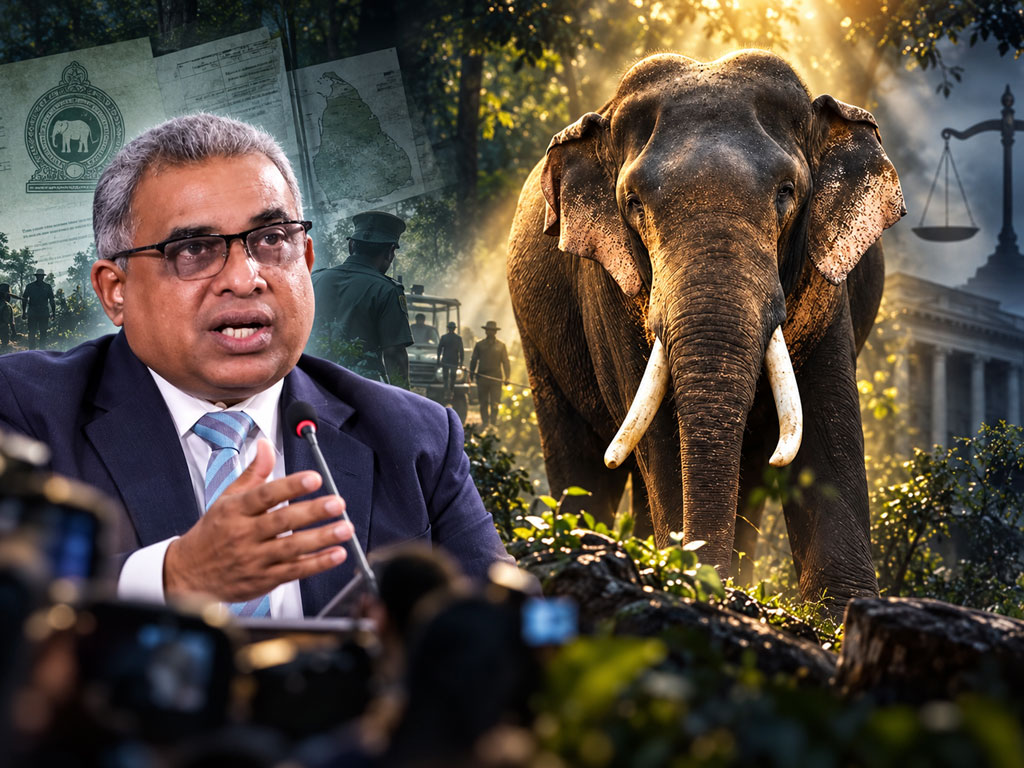
COLOMBO, October 18, 2026 —The Department of Wildlife Conservation faces calls for an impartial examination of the treatment given to one of Sri Lanka’s best-known tuskers, while its Director General says action will be taken if an investigation establishes wrongdoing by an officer.
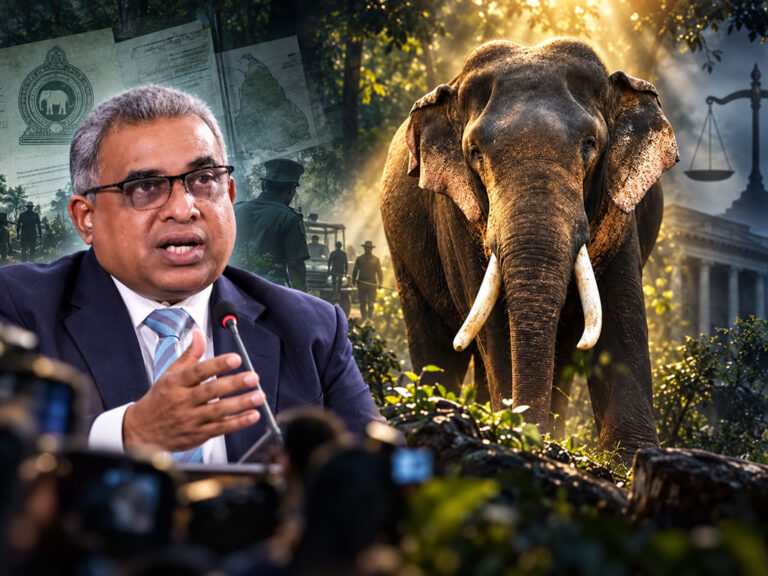
The death of renowned wild tusker Kavantissa has prompted allegations about the veterinary treatment he received during his final weeks, with wildlife enthusiasts and conservation activists questioning the decisions made by the Department of Wildlife Conservation as its Director General pledges action if any professional wrongdoing is established.
Kavantissa died on October 16 after receiving treatment for an injury to his right front leg, believed to have resulted from a gunshot. The elephant, which roamed the Galgamuwa region, had reportedly shown some improvement before developing further health complications, including a loss of appetite and dehydration.
Public criticism has focused on the initial assessment of the injury, the medicines administered, the monitoring of the tusker’s deteriorating condition and allegations about how veterinary personnel responded during his final hours.
Several of the more serious claims have circulated on social media and have not been independently substantiated. They require examination through clinical records, veterinary evidence and the post-mortem findings rather than conclusions drawn from online accounts.

Gunshot Injury and Alleged Restrictions on Photographers
According to accounts circulating among wildlife enthusiasts, officials were informed on September 22 about a wound on Kavantissa’s leg.
The cause of the injury was reportedly disputed during the initial stages, with experienced wildlife photographers expressing the view that the wound had been caused by a gunshot.
Some social media accounts allege that the veterinary team initially rejected that assessment and subsequently prohibited photographers who had questioned the diagnosis from entering the area where the elephant was receiving treatment.
Whether such restrictions were imposed specifically because of disagreement over the diagnosis has not been established.
Access restrictions around an injured wild elephant can also serve legitimate safety and animal-welfare purposes, particularly during sedation, treatment or periods of considerable distress.
Any investigation should therefore establish when the injury was first reported, how its cause was assessed and why access to the treatment area was restricted.
Treatment commenced on September 24 near the Usgala Siyambalangamuwa reservoir, according to contemporary reports. The elephant’s injury was subsequently described as a suspected gunshot wound.
The interval between the first reported observation of the injury and the commencement of treatment is another aspect that may warrant examination, including whether the animal’s movements, condition or safety considerations affected the timing.
From the legendary Parakrama and Deegadanthu to Bathiya, Unicorn and Kavantissa, Sri Lanka has lost some of its most extraordinary wild elephants to shootings, electrocution, injuries and failed human interventions. Their stories reveal the growing cost of human-elephant conflict and the urgent need to protect the country’s remaining tuskers.
Read MoreQuestions About Anaesthesia, Antibiotics and Monitoring
Criticism has also centred on the medical procedures used during Kavantissa’s treatment.
Wildlife enthusiasts and commentators have raised questions about the anaesthetic administered when treatment began, the collection and examination of blood samples, the selection and dosage of antibiotics, and the monitoring undertaken as his condition changed.
Treating an adult elephant presents particular challenges because veterinary teams must account for the animal’s estimated body weight, physical condition, the severity of its injuries and the risks associated with immobilisation.
Medication must also be assessed in relation to the patient’s condition, including kidney function, hydration and its response to treatment.
Certain antibiotics can cause adverse effects, including kidney injury, depending on the medicine, dose, duration and the animal’s underlying health.
Antimicrobial treatment may also disrupt intestinal microorganisms involved in digestion. In large herbivores, disturbances in digestive function can contribute to serious complications.
The original criticism argues that inappropriate medication could have contributed to reduced food intake, diarrhoea and dehydration.
These are potential medical risks, however, not evidence that incorrect treatment caused Kavantissa’s deterioration.
Establishing whether any medicine contributed to his condition would require examination of the actual drugs prescribed, administered doses, treatment intervals, clinical observations and relevant laboratory findings.
Allegations That Saline Was Administered After Death
Among the most serious claims circulating online is an allegation that wildlife veterinary personnel continued administering saline after Kavantissa had died.
Some commentators allege that the attending team failed to recognise the elephant’s death until a veterinary surgeon associated with the Temple of the Tooth arrived and informed them.
The allegation has attracted particular criticism because it questions whether the veterinary team adequately monitored the animal’s vital signs during his final hours.
Neither the precise sequence of events nor the claim that fluids were administered after death has been independently verified.
Establishing what occurred would require a documented timeline identifying when the elephant’s condition became critical, when vital signs were last recorded, when death was confirmed and whether any treatment continued afterwards.
The administration of fluids alone does not establish negligence. The circumstances, timing and clinical observations are essential to determining whether the medical response was appropriate.
The allegation warrants a factual explanation from the authorities, but should not be presented as an established failure by the veterinary team.
Wildlife Director General Promises Action if Lapses Are Proven
Responding to criticism, Director General of Wildlife Conservation Ranjan Marasinghe has defended the dedication of officers involved in Kavantissa’s care while acknowledging that mistakes can occur.
According to the account supplied to The Morning Telegraph, the Director General said action would be taken against any officer if an investigation established that the person had committed an offence, made a mistake or failed to discharge professional responsibilities.
He maintained that disciplinary or other action must follow an investigation capable of establishing whether a lapse had actually occurred.
Marasinghe also expressed confidence in the commitment of wildlife officers, emphasising that they frequently work around the clock in dangerous circumstances.
He said treatment began on September 24 without formally weighing the elephant and that Kavantissa initially responded positively.
His explanation places the difficulties faced by field officers within the wider context of wildlife medicine, in which injured animals are often treated under challenging conditions without the facilities available in a conventional veterinary hospital.
Nevertheless, recognising the dedication and personal risks faced by veterinary personnel does not remove the need to examine disputed clinical decisions.
Equally, an adverse outcome does not, by itself, prove malpractice.
A fair investigation must consider both the treatment provided and the limitations under which the veterinary team was working.
Court Orders Investigation Into Kavantissa’s Death
The Galgamuwa Magistrate’s Court has ordered a post-mortem examination to establish Kavantissa’s cause of death, together with a formal investigation into the circumstances.
On October 17, Acting Magistrate Kanchana Hathurusinghe directed that veterinary officers conduct the examination and submit their findings to court.
The court also ordered the elephant’s remains to be buried securely on Department of Wildlife Conservation land, with arrangements allowing the tusks to be recovered if necessary.
Authorities have indicated that specialists, including experts from the University of Peradeniya, would participate in examining the elephant’s remains.
These proceedings are important because they provide an opportunity for the cause of death to be examined through specialist evidence rather than competing public assertions.
The findings may establish the medical factors responsible for Kavantissa’s death. A separate review of the treatment records would be needed to determine whether any professional lapse occurred and, if so, whether it contributed to the outcome.
Public Entitled to an Impartial Explanation
Kavantissa’s death has deeply affected Sri Lankans who followed the life of one of the country’s most celebrated wild elephants.
His loss also demands scrutiny of the circumstances in which he was injured and the measures available to protect vulnerable tuskers from shootings and other threats.
The allegations against the veterinary team must be investigated fairly, without presuming guilt or dismissing concerns merely because they originated on social media.
An impartial review should examine the original diagnosis, medication records, monitoring procedures, treatment decisions and the circumstances surrounding the confirmation of death.
The Wildlife Department should also be given the opportunity to present the clinical evidence supporting its decisions.
The Director General’s commitment to take action if wrongdoing is established creates an expectation that any findings will be addressed transparently.
For the public, the central question is not whether every allegation made online is correct. It is whether the authorities can establish what happened, identify any shortcomings and explain what steps will be taken to prevent avoidable losses in the future.
Kavantissa cannot be brought back. A credible investigation, however, could help ensure that the circumstances of his death lead to better protection and veterinary care for the elephants that remain.