By Roy Denish
LONDON — A British former insurance executive who suffered permanent disabilities after a coconut palm tree collapsed on her at a Sri Lankan resort is suing her former law firm for up to £4.5 million, alleging that a clerical error derailed her original personal injury lawsuit.
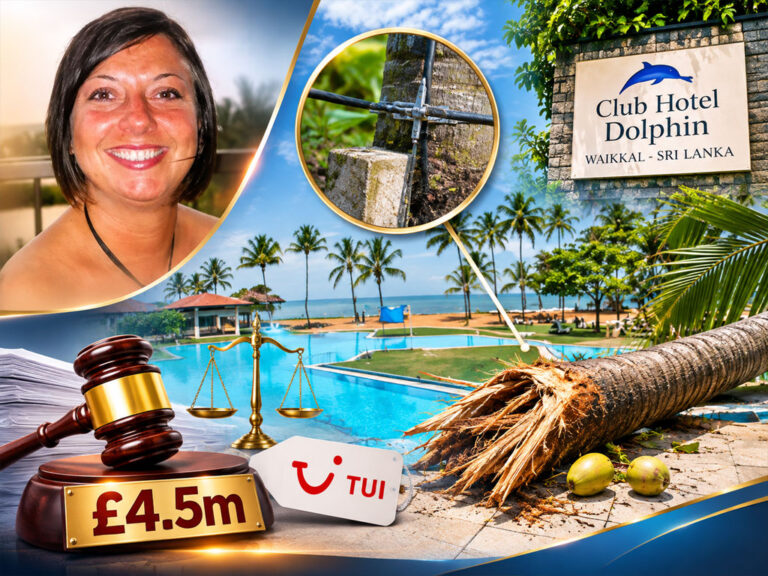
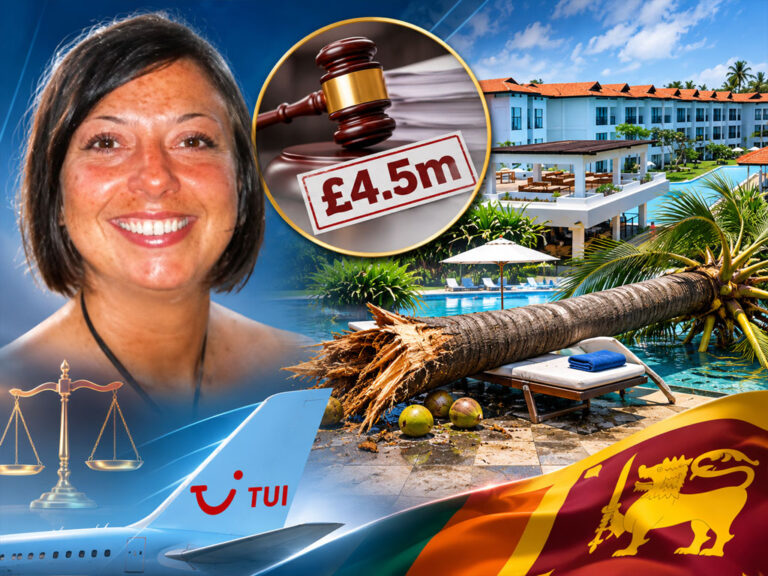
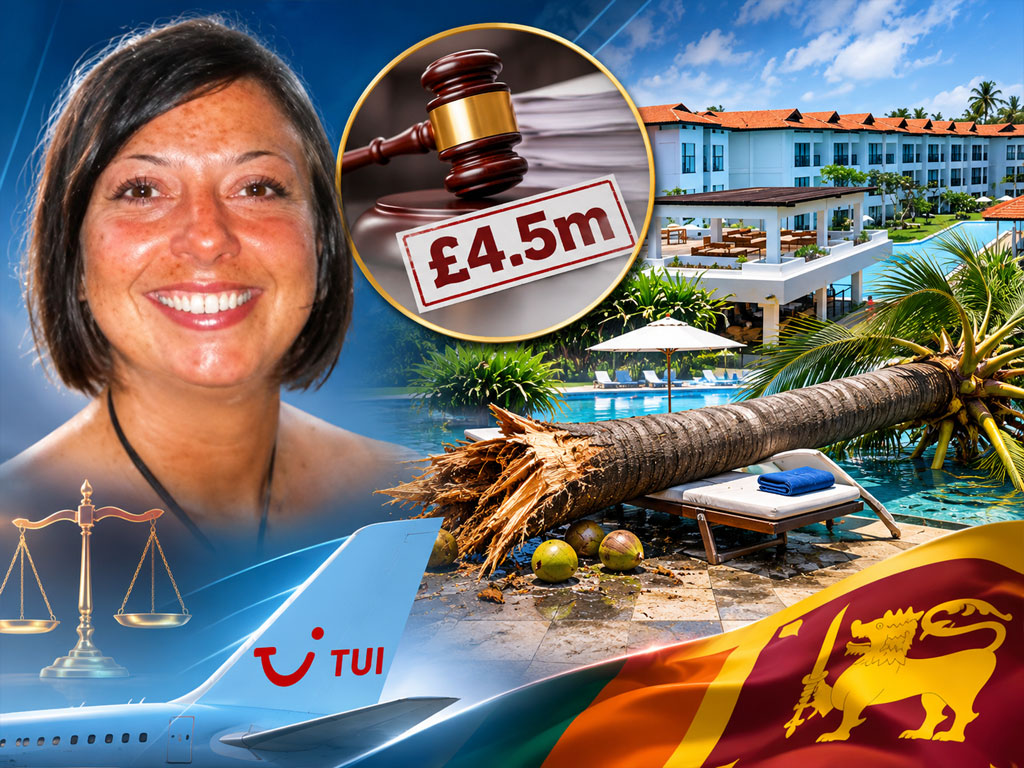
Claire Saywell filed the High Court negligence claim against the prominent UK law firm Slater and Gordon after her initial case against travel operator TUI was dismissed on a technicality. In February 2017, Saywell was sunbathing beside the pool at the four-star Club Hotel Dolphin in Waikkal, Sri Lanka, when the tree fell onto her lounger. The impact crushed her legs, requiring roughly 10 surgeries and forcing her to abandon her lucrative career.
Following the accident, Saywell hired Slater and Gordon to seek compensation from TUI, the company through which she had booked the vacation. However, her case was thrown out before its merits could ever be argued in court because her attorneys failed to serve the legal paperwork before the statutory deadline, having mistakenly sent the documents to an incorrect email address.

Slater and Gordon has admitted to a breach of duty regarding the missed deadline, shifting the focus of the current litigation to a legal concept known as “loss of a chance” determining how likely Saywell was to win her original case against TUI and how much money she would have received.
Attorneys for the law firm contend that Saywell’s original lawsuit had no more than a 51 percent chance of succeeding, arguing that the tree’s collapse was an unavoidable act of nature caused by sudden, severe winds rather than hotel negligence. The defense is also aggressively contesting the £4.5 million valuation of her damages.
Conversely, Saywell’s current legal team argues that her original claim had a greater than 90 percent probability of success. They have introduced expert arborist findings suggesting that utility wires had previously been anchored to the base of the palm tree using spikes and concrete, causing the trunk to rot from within. Alongside witness testimony disputing the severity of the wind that day, her lawyers maintain that the resort’s maintenance failures were clearly to blame.
The High Court has cleared the way for expert arborist testimony to be formally admitted as the case moves toward a trial or potential out-of-court settlement.