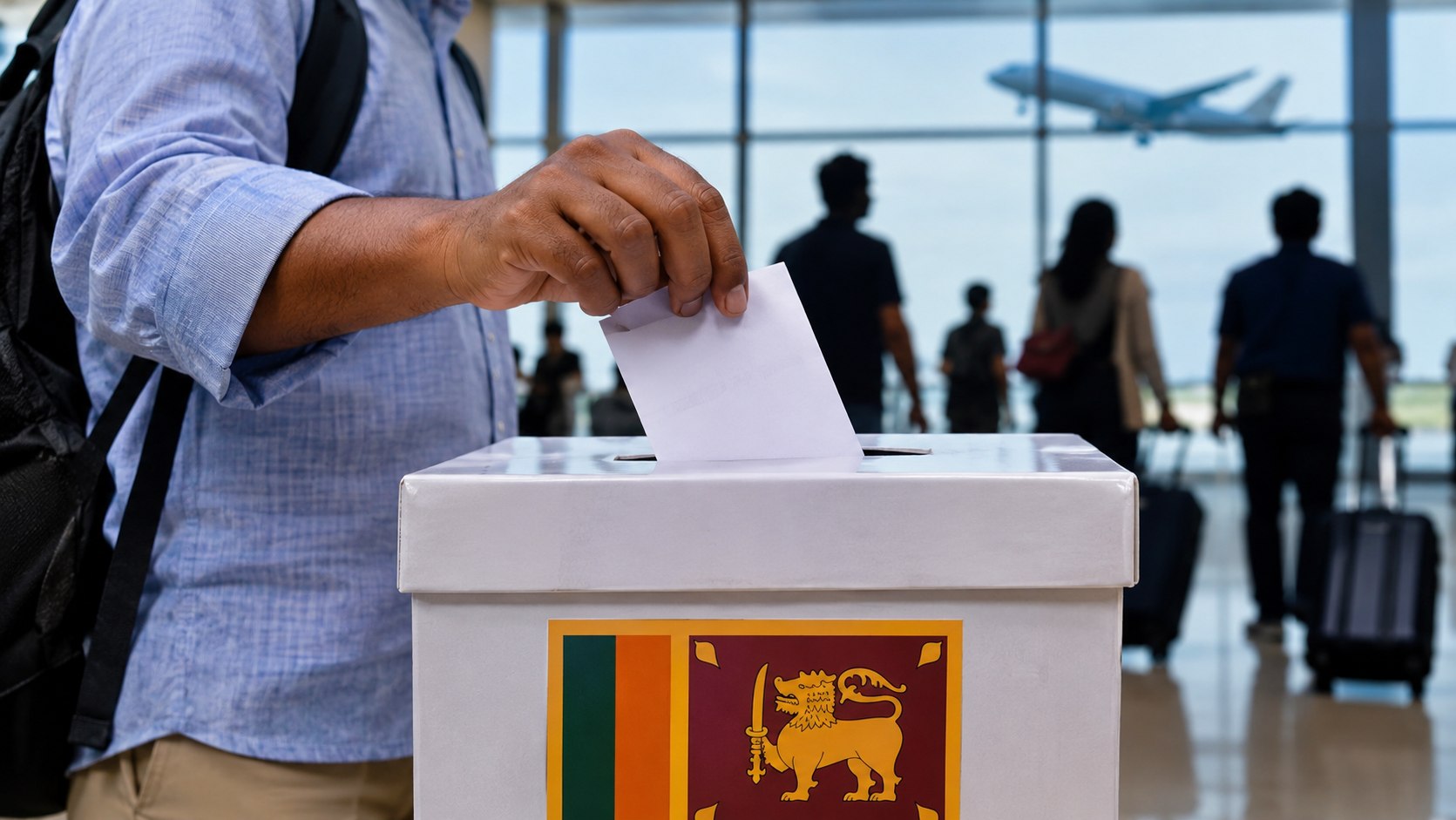
A proposed electoral reform could transform Sri Lanka’s democratic landscape by allowing eligible citizens living abroad to participate in elections without having to return to the island.
Sri Lanka is reportedly taking preliminary steps towards establishing a mechanism that would enable citizens living overseas to exercise their voting rights, potentially extending electoral participation to a substantial section of the country’s expatriate population.
With an estimated three million Sri Lankans living overseas, the proposed initiative could represent one of the most significant changes to the accessibility of the country’s electoral system.
Although many eligible Sri Lankan citizens living abroad retain their voting rights, practical limitations can prevent them from participating in elections unless they return to the country.

Sri Lankan expatriates make considerable contributions to the national economy through foreign remittances, investments, professional expertise and international business relationships.
However, geographical distance and the financial cost of travelling to Sri Lanka can make electoral participation difficult.
An overseas voting mechanism could provide eligible citizens with a greater opportunity to influence national policies and participate in decisions affecting their homeland.
Introducing overseas voting would require comprehensive administrative arrangements, including reliable voter identification, electoral registration, ballot security and safeguards against duplicate voting.
Potential mechanisms could include voting through diplomatic missions, postal ballots or securely administered electronic systems, although the government has yet to establish which arrangements would be adopted.
The eligibility of dual citizens, the treatment of temporary migrant workers and the elections covered by the proposed system would also require clarification.
Importantly, the estimated overseas population should not be interpreted as the number of eligible voters, since citizenship, age and electoral registration requirements would still apply.
If implemented effectively, overseas voting could strengthen democratic inclusion and deepen the relationship between Sri Lanka and its global expatriate community.