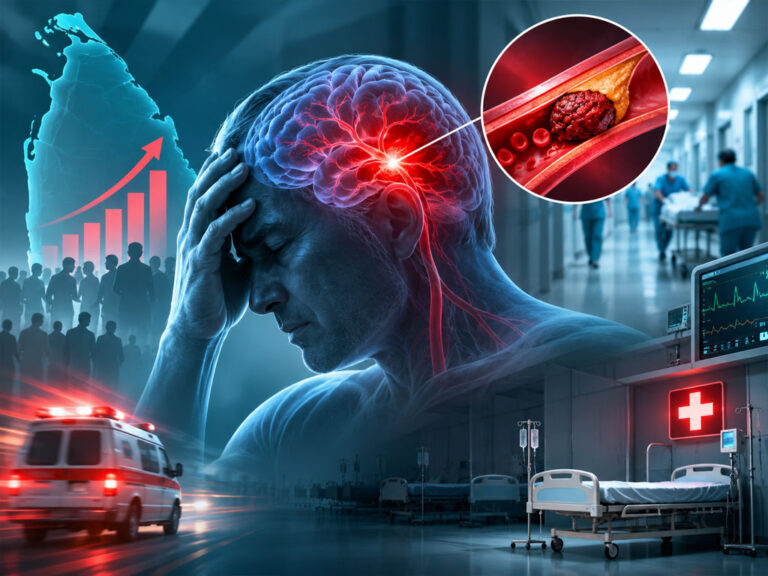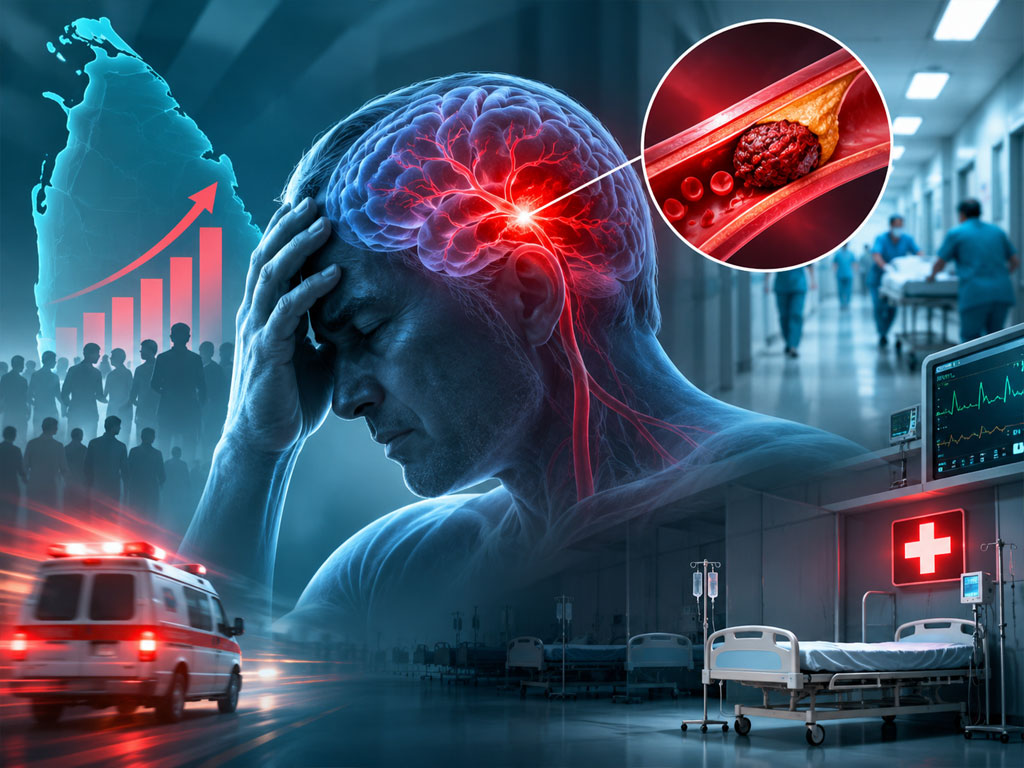
COLOMBO, November 29, 2026 — Sri Lanka’s stroke treatment shortage is becoming increasingly urgent as patient numbers rise and hospitals struggle to provide specialised care. With only around 10 dedicated stroke units nationwide, a leading neurologist is calling for wider access to timely, potentially lifesaving treatment.
Sri Lanka has recorded a sustained increase in stroke cases over the past decade, while a shortage of specialised treatment units, medical resources and essential medicines continues to limit the country’s ability to provide timely care to patients.
Professor Udaya Ranawaka of the Department of Neurology at the University of Kelaniya highlighted the growing disparity between patient numbers and available treatment facilities during a media briefing organised by the National Stroke Association in Colombo.
According to the professor, an analysis of data collected over the past 10 years indicates a continuing increase in stroke cases, accompanied by a noticeable rise in hospital admissions.
Despite the growing demand for specialised neurological care, Sri Lanka currently has only around 10 dedicated stroke treatment units nationwide.
Ranawaka warned that many hospitals lack adequate facilities, specialist resources and medicines required to provide effective treatment during the early stages of a stroke.
The shortage is particularly concerning because the effectiveness of certain stroke treatments depends heavily on how quickly patients receive medical attention.

Research Points to High Stroke Prevalence
Research findings discussed by Professor Ranawaka indicate that approximately one in every 10 people in the communities surveyed had experienced a stroke.
The findings suggest a substantial burden of stroke within those surveyed populations, with Sri Lanka also recording comparatively high levels of stroke prevalence within the region.
However, the figure relates to the communities included in the research and should not automatically be interpreted as representing the entire Sri Lankan population.
The professor said the increase in stroke cases over the past decade was also reflected in the growing number of patients requiring hospital treatment.
These findings underline the importance of ensuring that the country’s healthcare infrastructure develops in line with changing patterns of disease.
Without sufficient treatment facilities, an increasing number of patients could face difficulties obtaining specialised medical attention when it is most urgently required.
Nearly 75% of Cases Involve Blocked Blood Vessels
Professor Ranawaka explained that approximately 75% of strokes reported in Sri Lanka are ischaemic strokes, which occur when a blood vessel supplying the brain becomes blocked.
Such blockages interrupt the flow of oxygen-rich blood to brain tissue, potentially causing permanent neurological damage if circulation is not restored promptly.
The remaining cases include other types of stroke, particularly haemorrhagic strokes, which occur when a blood vessel in the brain ruptures and causes bleeding.
Distinguishing between these conditions is essential because treatment approaches differ significantly.
For patients experiencing an ischaemic stroke, rapid diagnosis and appropriate medical intervention can improve the prospects of survival and reduce the risk of long-term disability.
Certain treatments are most effective when administered within specific periods after symptoms begin. Delays in reaching a hospital, obtaining diagnostic imaging or receiving specialist assessment can limit the available treatment options.
Consequently, the availability of properly equipped stroke units is important not only for immediate medical intervention but also for reducing the long-term consequences of neurological injury.
Only Around 10 Specialised Stroke Units Nationwide
The central concern raised by Professor Ranawaka is the considerable gap between the growing demand for stroke treatment and the availability of dedicated hospital facilities.
Sri Lanka currently operates only around 10 specialised stroke treatment units, according to the figures presented at the briefing.
For a country with hospitals serving patients across multiple districts, this limited number creates difficulties in ensuring that specialised treatment is readily accessible.
Many hospitals also face shortages of equipment, medical resources and essential medicines necessary for early-stage stroke management.
Such limitations can affect the ability of medical teams to assess patients promptly and provide appropriate treatment during the critical period following the onset of symptoms.
Ranawaka emphasised the importance of expanding specialised stroke care across the country rather than concentrating services within a relatively small number of institutions.
He called for at least one dedicated stroke treatment unit to be established in every district, with appropriate facilities also made available at major hospitals.
The proposal is intended to improve access to specialist care and reduce delays that could affect patient outcomes.
Delayed Treatment Carries Long-Term Consequences
Stroke can result in serious complications, including paralysis, speech difficulties, impaired movement and other neurological disabilities.
Some patients recover substantially with appropriate treatment and rehabilitation, while others require continuing medical attention and assistance with everyday activities.
The consequences therefore extend beyond the immediate medical emergency.
Long-term disability can place additional demands on hospital services, rehabilitation facilities and family caregivers.
For patients who are unable to return to employment or independent living, the effects may also extend to household income and financial security.
Strengthening stroke treatment capacity could consequently benefit both individual patients and the wider healthcare system.
Early medical intervention, followed by appropriate rehabilitation, offers opportunities to reduce avoidable complications and improve patients’ quality of life.
Call for Nationwide Expansion of Stroke Care
Professor Ranawaka’s recommendations place particular emphasis on expanding dedicated stroke treatment facilities throughout Sri Lanka.
Establishing specialised units in every district and major hospital would require adequate medical equipment, trained personnel, essential medicines and systems capable of delivering timely emergency care.
The findings also highlight the importance of ensuring that hospitals are equipped to recognise and manage stroke patients without unnecessary delays.
Although the professor identified the shortage of specialist facilities as a major weakness, the figures presented did not establish the precise number of additional units required beyond his recommendation for district-level coverage.
As stroke cases continue to rise, the priority facing health authorities is to assess existing treatment capacity and determine how specialised services can be expanded to meet increasing demand.
The issue is not simply the number of hospitals providing care, but whether patients experiencing a stroke can obtain the appropriate diagnosis and treatment within the critical period when medical intervention is most effective.
Without improvements in access to specialised services, Sri Lanka risks facing a growing burden of preventable stroke-related disability and avoidable deaths.
The warning from Professor Ranawaka places the need for expanded stroke treatment infrastructure firmly within the country’s public health priorities.