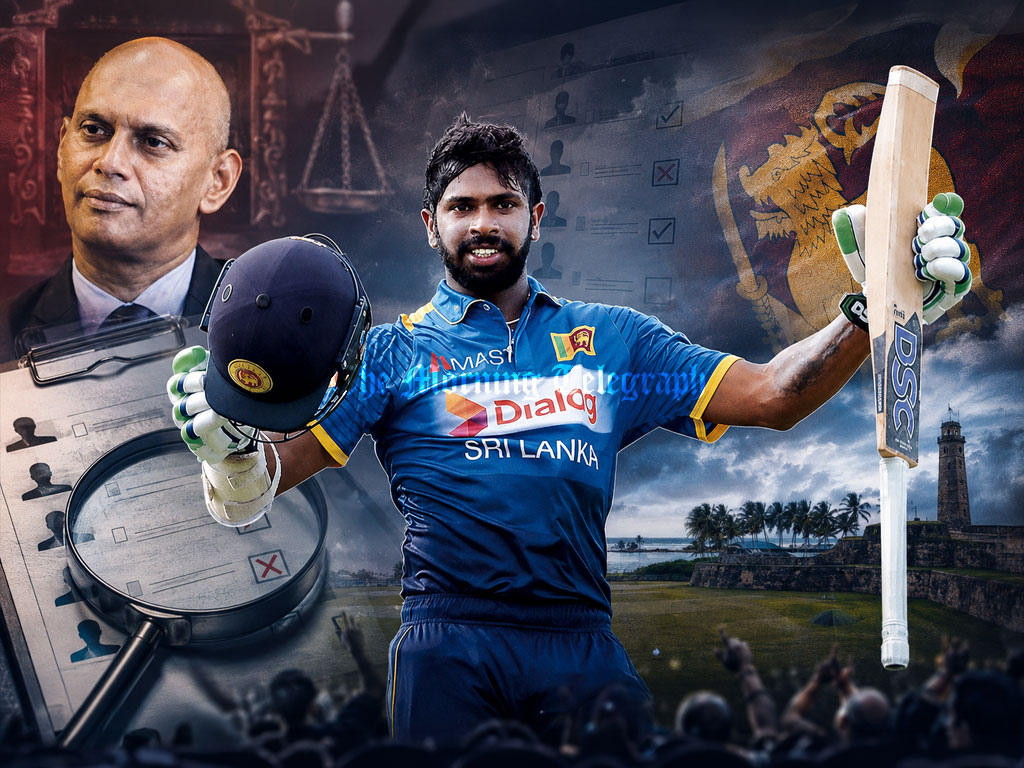
The Niroshan Dickwella recall has sparked fresh controversy for Sri Lanka Cricket ahead of the India Test. Fans question if discipline standards are being ignored.
Sri Lanka Cricket is once again under fire after recalling wicketkeeper-batter Niroshan Dickwella to the Test squad for the opening match against India in Galle, a move that has shocked many cricket followers and triggered fresh questions over discipline, standards and accountability.
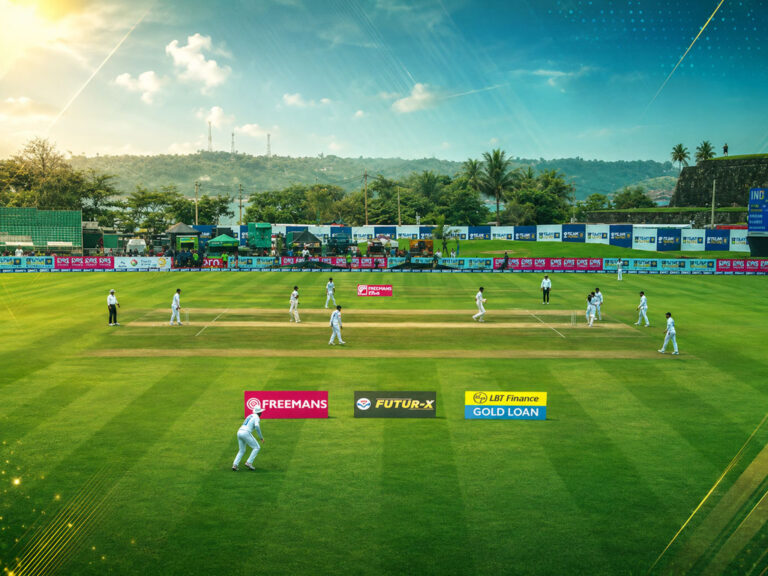
The first Test between Sri Lanka and India begins on Saturday, August 15, 2026, at the Galle International Cricket Stadium. Reuters reported that Sri Lanka recalled Dickwella for the opener after Kusal Mendis was ruled out with a hamstring injury, with the series carrying World Test Championship importance for both teams.
On paper, Sri Lanka may call this an experienced wicketkeeper-batter returning to fill a vacancy.
But to many fans, this looks like something else.
It looks like another reward for a player who has repeatedly received second chances after serious disciplinary controversies.
Get
Breaking News
First
on WhatsApp
Follow The Morning Telegraph for instant alerts, top stories and exclusive updates delivered straight to your phone.

A Comeback That Raises Serious Questions
Dickwella has not played a Test for Sri Lanka since March 2023, when he featured against New Zealand in Christchurch. ESPNcricinfo reported that his recall comes three years after his last international appearance, with Sri Lanka also including other options such as uncapped top-order batter Pasindu Sooriyabandara and uncapped off-spinner Keshara Nuwantha in the squad.
That makes the selection even more controversial.
If Dickwella had forced his way back through overwhelming domestic performances, the debate may have been different. But critics argue that his recall does not appear to rest on a mountain of recent runs or a compelling cricketing case.
Instead, it raises a bitter question.
Is Sri Lanka Cricket now prepared to bring back a player with a troubled disciplinary past while younger, hungrier players wait for justice?
The Cocaine Case That Shocked Cricket
The most serious controversy surrounding Dickwella came after he failed a doping test during the Lanka Premier League.
Reuters reported in August 2024 that Sri Lanka Cricket suspended Dickwella indefinitely after a doping test conducted by the Sri Lanka Anti-Doping Agency under World Anti-Doping Agency guidelines during the LPL.
The Sunday Times later reported that Dickwella refused a “B” sample test after testing positive for cocaine, effectively admitting to the anti-doping charges brought against him. According to that report, the test was conducted on July 14 during LPL 2024.
Then came the twist.
In December 2024, Reuters reported that Dickwella was cleared to play again after his three-year suspension was rescinded following a successful appeal. Reuters said he had provided evidence that the substance was not related to performance enhancement and had not been taken during competition.
The Daily Mirror reported that the appeal panel, led by retired judge Upali Samaraweera and including Prof. Asela Mendis and Gimhana Jagodaarachchi, found that the substance was taken out of competition and was unrelated to sporting performance. His three-year suspension was reduced to three months, effective from July 13, 2024.
That ruling may have cleared the path legally.
But it did not clear the public outrage.
The Confession That Demanded Action
The Morning Telegraph previously reported that Dickwella’s sworn testimony during the appeal process raised questions far beyond sport.
According to that report, Dickwella admitted: “As my recollection served, I was intoxicated and did sniff/inhale a substance/drug (Cocaine) the night before the Urine Test at a party hosted by the owners of the ‘Galle Franchise’ at a hotel along with a few others including some dignitaries who patronized the event.”
The same report quoted him as stating: “I have sniffed/inhaled substance/drugs (Cocaine) randomly at parties/private gatherings on a few occasions prior to this incident, for the very first time being about a year ago.”
If those statements are accurate, then the matter should never have remained only a sports disciplinary issue.
It raised wider questions.
Who supplied the cocaine?
Who else was allegedly present?
Were other individuals questioned?
Were narcotics officials alerted?
Did the Sri Lanka Narcotics Bureau act on the information?
Was the public ever told whether an investigation followed?
These questions matter because athletes do not exist outside the law.
A sports appeal can reduce a ban.
It cannot erase the public-interest questions arising from an admission involving cocaine.
A Pattern Of Reprieves
This is not the first time Dickwella has been at the centre of disciplinary controversy.
In 2021, Dickwella, Kusal Mendis and Danushka Gunathilaka were suspended after breaching Sri Lanka’s COVID-19 bio-secure bubble during the tour of England. Cricinfo reported at the time that the three players admitted to breaching the team’s bio-bubble.
Reuters later noted that Dickwella had been suspended for a year alongside Mendis and Gunathilaka for that breach.
However, the players returned earlier than many expected. The Indian Express reported in January 2022 that the trio’s suspensions had been lifted earlier, after the bio-bubble breach in England.
Now, after the cocaine case, Dickwella has once again returned to the national frame.
For angry fans, the pattern looks familiar.
A major controversy erupts.
A suspension follows.
Time passes.
The punishment softens.
The player returns.
Sri Lankan cricket moves on without answering the bigger question.
What message does this send to young cricketers?
Where Is The Cricketing Case?
Even leaving aside the disciplinary record, the cricketing argument is not beyond criticism.
Dickwella has played 54 Tests, scored 2,757 runs, and still has not scored a Test century. Public cricket statistics list his highest Test score as 96, with 22 half-centuries and zero hundreds.
For a specialist wicketkeeper-batter who has represented Sri Lanka for years, that remains a glaring hole.
Even former Sri Lanka fast bowler Chaminda Vaas has a Test century to his name.
Dickwella’s supporters may point to his experience, wicketkeeping ability and aggressive batting style. But experience alone cannot become a permanent passport back into the national team.
At 33, Dickwella is no longer a developing prospect.
He is a senior player whose record must justify the faith shown in him.
The question is whether it does.
Who Loses If Dickwella Plays?
The more painful question is who will be pushed aside if Dickwella is selected in the playing XI.
Sri Lanka has younger players waiting for opportunity. Some have worked their way through the system, delivered performances, stayed clear of scandal and earned the right to be tested at the highest level.
If one of those players is dropped to accommodate Dickwella, it will be difficult to explain.
What is Sri Lanka Cricket rewarding?
Form?
Discipline?
Potential?
Experience?
Or name recognition?
This is where the selection becomes more than a cricketing decision.
It becomes a statement about values.
Social Media Anger Reflects A Wider Frustration
Across social media, many commentators have expressed dissatisfaction over Dickwella’s recall. Their anger is not only about one player.
It is about a larger frustration with Sri Lanka Cricket’s culture.
Fans see players punished and then quickly restored.
They see younger players waiting while familiar names return.
They see disciplinary problems treated as temporary inconveniences rather than serious stains on national representation.
They see a system where talent and reputation appear to matter more than accountability.
That is why Dickwella’s recall has touched a nerve.
Sri Lanka Cricket Must Explain Its Standards
Sri Lanka Cricket must now explain what standard it is applying.
Is a player’s disciplinary record considered during national selection?
Does an admitted cocaine episode carry no long-term consequence once a sports ban is reduced?
Does a player who has not scored a Test century in 54 matches automatically return because of experience?
Were younger options seriously considered?
Did the selectors consult team management on the message this sends?
And most importantly, what does Sri Lanka Cricket tell schoolboys and young professionals who are asked to follow discipline, sacrifice and professionalism if national recall remains available after repeated controversy?
A Dangerous Message Before A Major Series
Sri Lanka faces India in a high-profile Test series that matters to the World Test Championship. That should have been the focus.
Instead, the selection of Dickwella threatens to overshadow the opening Test with questions over character, discipline and selection justice.
Sri Lanka Cricket may argue that Dickwella is eligible.
That is true.
But eligibility is not the same as suitability.
A player can be legally available and still be morally controversial.
A player can be cleared by an appeal panel and still owe the public a deeper explanation.
A player can return to cricket and still leave fans wondering whether standards mean anything.
Reward Or Recklessness?
Niroshan Dickwella has been given another road back.
The question is whether Sri Lanka Cricket has once again confused forgiveness with reward.
No one is arguing that a player should never be rehabilitated. Sport must allow redemption.
But redemption must come with accountability, humility, performance and public trust.
Right now, many fans do not see that.
They see a player with a COVID protocol breach in his past, a cocaine-related suspension reduced on appeal, a Test record still missing a century, and now a possible return against India.
If Dickwella walks out in Galle, the message will be unavoidable.
Sri Lanka Cricket has decided he deserves another chance.
But the public may ask a harder question.
How many chances does one player get before Sri Lankan cricket finally protects its own standards?