A nation struggling to breathe fresh economic and environmental air now faces a darker truth: powerful lobbies and hidden conspiracies are working overtime to sabotage electric vehicle imports, crushing people’s hopes for cleaner, cheaper, and smarter mobility.
Sri Lanka’s road to economic recovery has been filled with potholes, but for once, there seemed to be light ahead. President Anura Kumara Dissanayake’s decision to lift import restrictions on internal combustion, hybrid, and electric vehicles with effect from February 1, 2025, was hailed as a bold step toward progress. The move was expected to reduce dependency on fossil fuel imports, protect foreign exchange reserves, and promote eco-friendly transport solutions. More importantly, it offered ordinary Sri Lankans the chance to own modern vehicles at a far more reasonable cost.
Yet, before the ink had even dried on the decision, whispers of sabotage began to surface. Allegations of backdoor conspiracies, orchestrated by vested interests, suggest that Sri Lanka’s long-awaited embrace of EV technology is being deliberately undermined. And the most troubling question remains: is this resistance simply market competition, or is it a calculated conspiracy against the people?

The struggles faced today are not without precedent. When the late Finance Minister Mangala Samaraweera championed the cause of electric mobility years ago, his efforts met with fierce resistance from entrenched vehicle importers. Today, President Dissanayake faces the same opposition, albeit in a slightly updated form. It is a battle not only for consumer rights but also for the country’s economic and environmental future.
The opening of Sri Lanka’s vehicle market to EVs triggered a predictable consequence. The demand for conventional internal combustion vehicles fell sharply as consumers gravitated toward cleaner, more advanced alternatives. Japanese vehicle importers, long dominant in the used-car sector, suddenly found their market power threatened. Instead of innovating or adapting, they launched press conferences in Colombo, warning about supposed “uncertainties” surrounding EVs. Their criticisms, however, were less about consumer safety and more about dwindling profits. As demand for used cars collapses, these dealers have been fighting to manipulate public perception to regain ground.
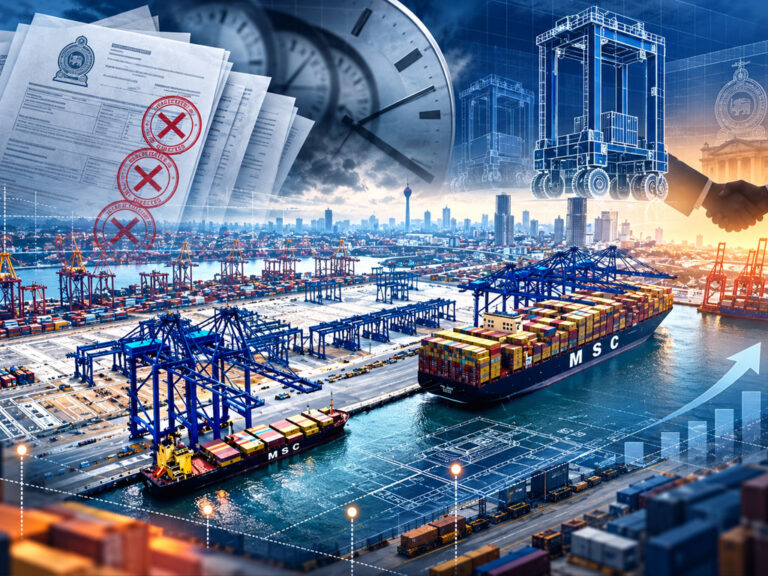
But the battle does not end there. All eyes now turn to Sri Lanka Customs, an institution many believe is entangled in this murky web. Accusations have emerged that certain officials are working hand-in-glove with the Vehicle Importers Association to frustrate EV imports. Legitimate questions are being asked. Why are customs officials reportedly singling out EVs for “special inspections”? Why are only certain models being delayed or obstructed? And most importantly, why are consumers being denied the chance to benefit from modern mobility at affordable prices?
Economy Next recently revealed that plans were afoot to suspend EV shipments under the pretext of “technical inspections,” sparking outrage among both dealers and consumers. Such tactics, critics argue, are nothing but the work of white-collar mafias bent on protecting the old guard of used vehicle imports. Ironically, the Sri Lanka Vehicle Importers Association had already declared that there would be no new imports in 2025. This statement, in hindsight, exposes the motives behind the current obstruction.
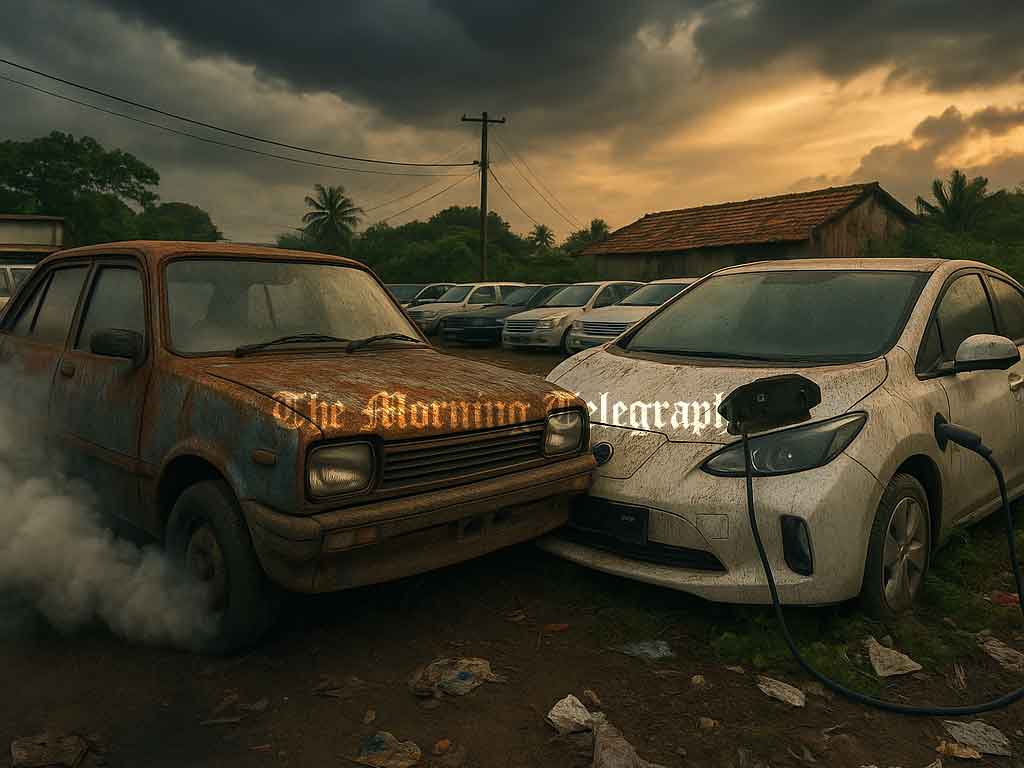
The consequences of this conspiracy ripple far beyond the automotive sector. For consumers, the most immediate impact is the denial of choice and affordability. Instead of being able to purchase brand-new electric vehicles at reasonable prices, Sri Lankans are once again being corralled into the stagnant used-car market. For the environment, this obstruction disrupts national policy goals to cut greenhouse gas emissions and move toward sustainability. And for the economy, it perpetuates reliance on fuel imports, drains foreign reserves, and erodes potential tax revenue.
The implications are stark. By sabotaging EV imports, corrupt alliances not only punish consumers but also undermine Sri Lanka’s credibility in implementing progressive policies. It raises serious questions about whether policymaking in this country is being held hostage by small but powerful interest groups. For a nation that has already suffered the consequences of shortsighted governance, repeating such mistakes borders on criminal negligence.
The call for action could not be clearer. The President and the Ministry of Finance must act decisively to neutralize these conspiracies. The customs department must be held accountable, with transparency introduced into the clearance process. If lobbies of used vehicle dealers are influencing policy implementation, they must be exposed and checked. Failure to act will not only erode public trust but also sabotage one of the few meaningful economic reforms undertaken in recent years.
More importantly, this is not just about cars. This is about the future of mobility, energy, and governance in Sri Lanka. A transparent, competitive market for EVs is not simply a consumer luxury; it is a national necessity. Blocking EVs means higher costs for families, continued environmental degradation, and increased dependence on volatile fuel imports. It represents a betrayal of future generations who deserve better than outdated, polluting technologies.
As Solomon once warned, “a people without vision will perish.” Today, Sri Lanka stands at such a crossroads. If transparency and accountability are abandoned, the dream of a cleaner, fairer, and more progressive society will be strangled by those who benefit from corruption and stagnation. The detainment of electric vehicles at customs is not just a bureaucratic issue. It is a symbol of whether Sri Lanka is willing to choose innovation and fairness over manipulation and decay.
The fight over EVs is, in truth, a fight for the nation’s soul. If the government does not crush the conspiracies brewing within customs and business lobbies, the promises of sustainable growth and clean energy will be reduced to empty rhetoric. The stakes are clear: to delay this reform is to cheat both the people and the planet. The government must act, or else risk being remembered not as the one that introduced EVs, but as the one that allowed them to be buried before they ever reached the streets.