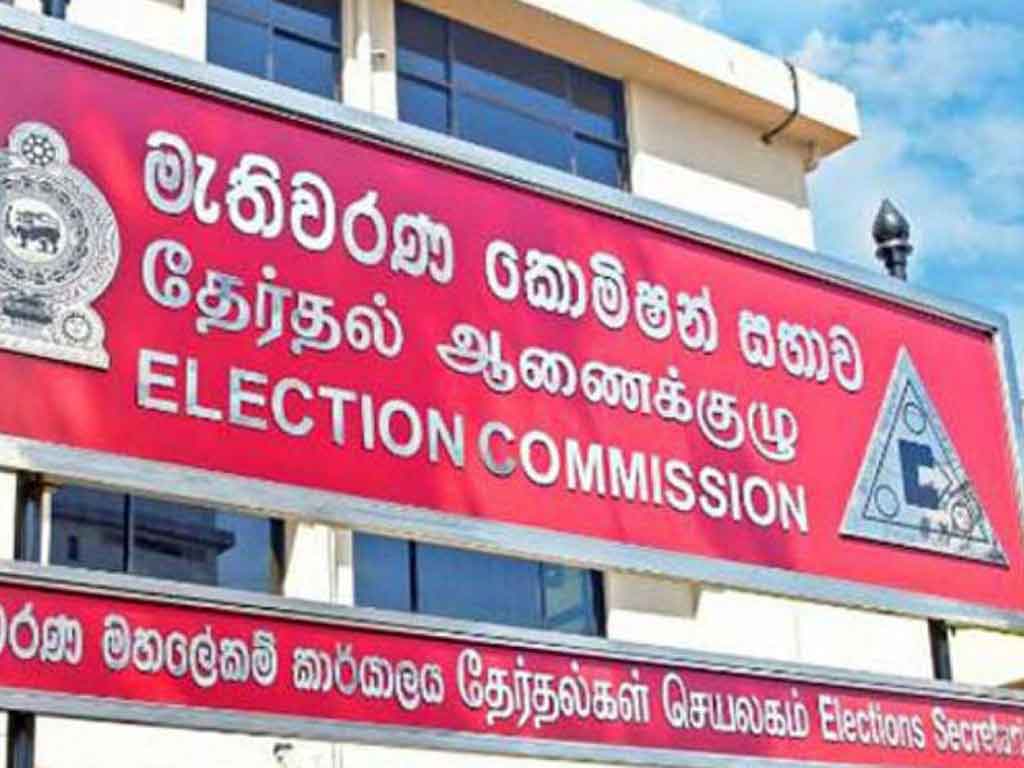
As pressure mounts from within the ruling coalition, the government faces a decisive choice: abolish the provincial council system altogether or face international calls to protect electoral democracy in Sri Lanka.
The future of Sri Lanka’s provincial councils hangs in the balance as the Janatha Vimukthi Peramuna (JVP), a core force within the government, pushes for a new constitutional amendment that would abolish the system without holding long-delayed elections. The move has sparked intense debate, raising fears about the erosion of electoral democracy and the long-term risks to governance and public trust.

The JVP argues that the absence of provincial councils for more than five years has not hindered the administration of the country. According to the party, the people have now seen for themselves that provincial councils are a costly burden rather than a benefit. They brand the councils as white elephants that drain the national treasury, waste public resources, and add little value to governance. By scrapping the system, the JVP believes Sri Lanka could redirect significant funds to national development priorities.
The provincial council structure was born out of the Thirteenth Amendment to the Constitution in 1987, created under the Indo-Lanka Accord and the Provincial Councils Act No. 42 of 1987. It was intended to decentralize power and give regional populations a voice in governance. However, the councils were dissolved between 2017 and 2019, and no elections have been held since. Despite allocations in the national budget, less than twenty percent of provincial council funds were actually spent on development in recent years, fueling criticism of inefficiency.
The National People’s Power government pledged in its policy manifesto that provincial council elections would be held within a year of taking office. Yet more than a year has passed since the bill was presented to Parliament, with delays attributed to incomplete delimitation and indecision on the electoral method. While Foreign Minister Vijitha Herath recently assured Parliament that elections could be held within the first half of 2026, JVP General Secretary Tilvin Silva suggested that polls might be possible by the end of next year.
International attention on the issue has intensified. India and other Western nations are pressuring Sri Lanka to hold elections without delay, stressing that electoral democracy must be protected to maintain the country’s credibility and stability. Critics warn that abolishing the councils outright would be viewed as a regression from democratic norms and could strain diplomatic relations, particularly with regional partners.
The debate has exposed a deep divide within the political landscape. On one hand, the JVP presents abolition as a cost-saving measure aligned with their long-held opposition to the provincial council system. On the other, opposition parties, civil society groups, and international actors insist that holding elections is essential to uphold constitutional commitments and democratic legitimacy.
The government now faces a high-stakes decision. If it pushes forward with abolition, it risks international backlash, domestic unrest, and accusations of undermining democracy. If it moves to hold elections, it must resolve logistical challenges, complete the delimitation process, and allocate resources effectively. Either path carries significant risks, but the outcome will define not only the future of provincial councils but also the credibility of Sri Lanka’s democracy itself.