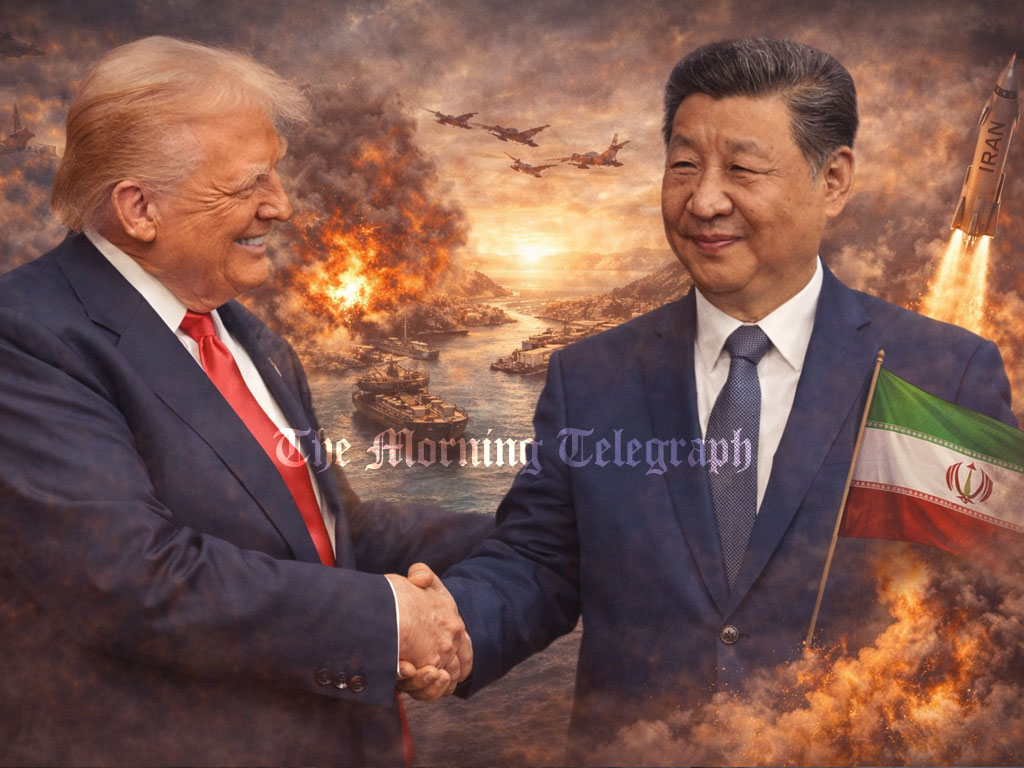
A bold geopolitical claim by Donald Trump suggests a secret understanding with China to reopen the Strait of Hormuz and curb arms support to Iran, even as tensions, failed talks, and nuclear concerns continue to shape global uncertainty.
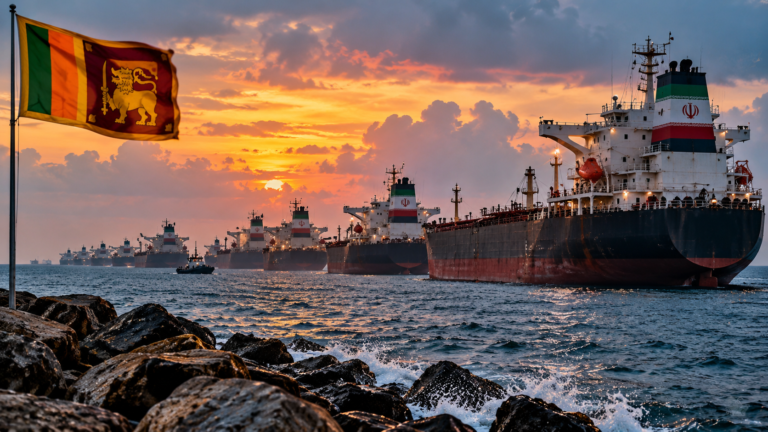
In a statement shared through his Truth Social account, Donald Trump indicated that China supports his move to permanently reopen the Strait of Hormuz, framing it as part of a broader geopolitical understanding aimed at easing tensions and stabilizing one of the world’s most vital oil transit routes.
The former United States President stated that China was pleased with the decision and suggested that Beijing had agreed to stop supplying weapons to Iran as part of this evolving strategic alignment.

According to Trump, the move represents not only a shift in regional dynamics but also a step toward restoring global energy security and reducing conflict risks in the Middle East, where the Strait of Hormuz remains a critical chokepoint for international oil flows.
“China is very happy that I am permanently opening the Strait of Hormuz. I am doing it for them, also and the world. This situation will never happen again. They have agreed not to send weapons to Iran,” Trump said, outlining what he described as a significant diplomatic breakthrough.
He also expressed confidence in his relationship with Chinese President Xi Jinping, suggesting that cooperation between the two powers is progressing positively.
“President Xi will give me a big, fat hug when I get there in a few weeks. We are working together smartly, and very well. Doesn’t that beat fighting?” he added, highlighting a tone of optimism regarding bilateral engagement.
At the same time, Trump emphasized that the United States continues to maintain overwhelming military strength, reinforcing a message of deterrence alongside diplomacy.
“But remember, we are very good at fighting, if we have to, far better than anyone else,” he said, underlining the dual approach of negotiation backed by power.
The statement comes against the backdrop of escalating tensions between Iran and the United States, particularly following the breakdown of high-level negotiations held in Islamabad, which ended without agreement.

Iranian officials have made it clear that their strategic position remains unchanged, despite prolonged discussions with American representatives that lasted more than 20 hours.
A statement issued by the Iran Embassy in Ghana reflected Tehran’s firm stance, indicating that key demands made by the United States were rejected outright.
“The US flew their Vice President halfway across the world to Islamabad. Twenty one hours of talks. They demanded everything they couldn’t achieve through war. Iran said a big no. The talks are over. The Strait is still closed. And the Vice President is flying home empty handed. Just Iran’s word again. They don’t have any option left to save face,” the statement noted.
This position reinforces Iran’s continued resistance, particularly regarding the closure of the Strait of Hormuz, which remains central to the ongoing dispute and global energy concerns.
From the American perspective, Vice President JD Vance, who led the delegation to Pakistan, acknowledged that while discussions were extensive, they ultimately failed to deliver a meaningful breakthrough.
“The simple fact is that we need to see an affirmative commitment that they will not seek a nuclear weapon, and they will not seek the tools that would enable them to quickly achieve a nuclear weapon,” Vance stated, pointing to the core issue driving US policy.
As diplomatic efforts stall and competing narratives emerge, the situation continues to highlight the complexity of global power politics, energy security, and nuclear concerns, with the Strait of Hormuz remaining at the center of one of the most sensitive geopolitical flashpoints in the world.