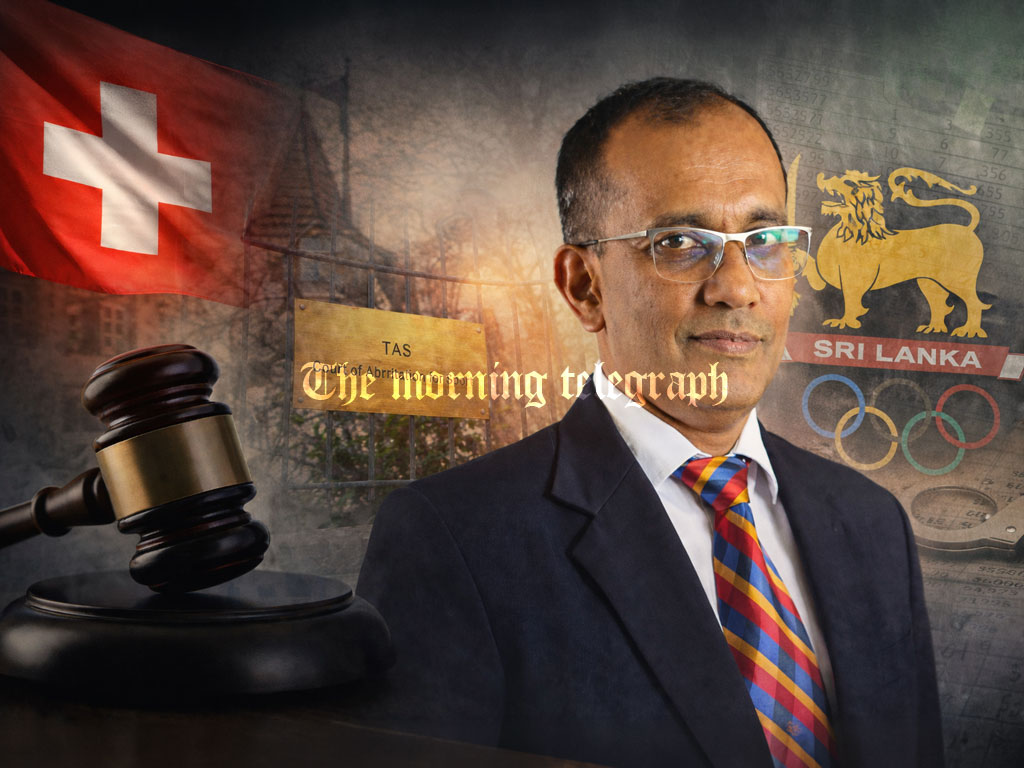
Counter Narrative: Setting the Record Straight on Chandana Liyanage
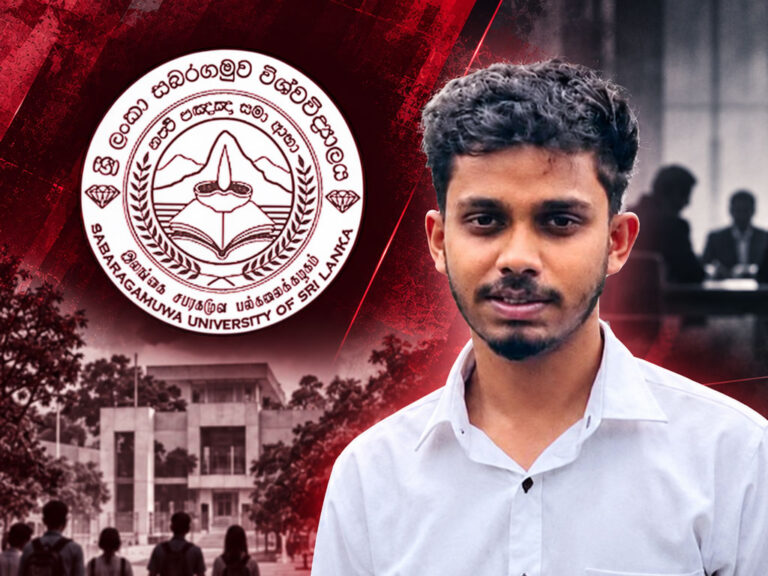
Amid a growing wave of controversy surrounding the National Olympic Committee of Sri Lanka (NOCSL), recent attempts to portray the suspension of Wing Commander (Retd) Chandana Liyanage as a procedural injustice appear to be part of a broader effort to mislead the public. Information now emerging indicates that the narrative being circulated, particularly through sections of state-aligned print media, fails to present the full and accurate sequence of events.

Due Process Was Followed
Contrary to suggestions that the decision was arbitrary, the process followed in suspending Chandana Liyanage adhered to the same procedure previously applied in the case of former Secretary General Maxwell De Silva. The Ethics Committee initially concluded its inquiry and submitted its findings, which were then formally presented to the Executive Committee. After due deliberation, the recommendations were accepted in line with established governance protocols. Liyanage was formally notified of the outcome, and his affiliated body, the Basketball Federation of Sri Lanka, a member of the NOCSL, was also duly informed. In contrast, no such notification was necessary in the case of Maxwell De Silva, as he was not attached to any member federation at the time. The decision is set to be formally ratified at the upcoming Annual General Meeting (AGM).
Findings of Financial Misconduct
Significantly, the now-completed Financial Forensic Audit has brought to light serious findings, including that Liyanage, along with four others, was implicated in the alleged misappropriation of Rs. 17.5 million in per diem payments. These payments were reportedly claimed for overseas trips where all expenses had already been fully covered, rendering such claims irregular and unjustified.
These findings directly challenge the narrative being promoted and raise deeper concerns about accountability and transparency within the system.
Legal Route Misrepresented
Liyanage’s assertion that he intends to seek legal redress through local courts has also come under scrutiny. Under the governing framework of international sport, disputes of this nature fall within the jurisdiction of the Court of Arbitration for Sport (CAS) in Switzerland. Any attempt to pursue action through Sri Lankan courts would not align with the established constitutional and regulatory obligations binding NOCSL members.
The constitution of the NOCSL is explicit in this regard, and adherence to these procedures is not optional. As a long-standing member of the NOCSL, having served for over eight years, Liyanage is well aware of these requirements and the limitations they impose.
A Pattern of Deflection?
Critics now argue that the current media narrative is less about justice and more about deflection, an attempt to shift focus away from serious allegations by framing the issue as a governance failure. However, the documented processes, audit findings, and constitutional provisions suggest otherwise.
As Sri Lanka approaches a critical juncture with the upcoming NOCSL elections, the public is urged to remain vigilant and discern fact from narrative. What is at stake is not merely an individual case, but the credibility of the entire sporting framework.