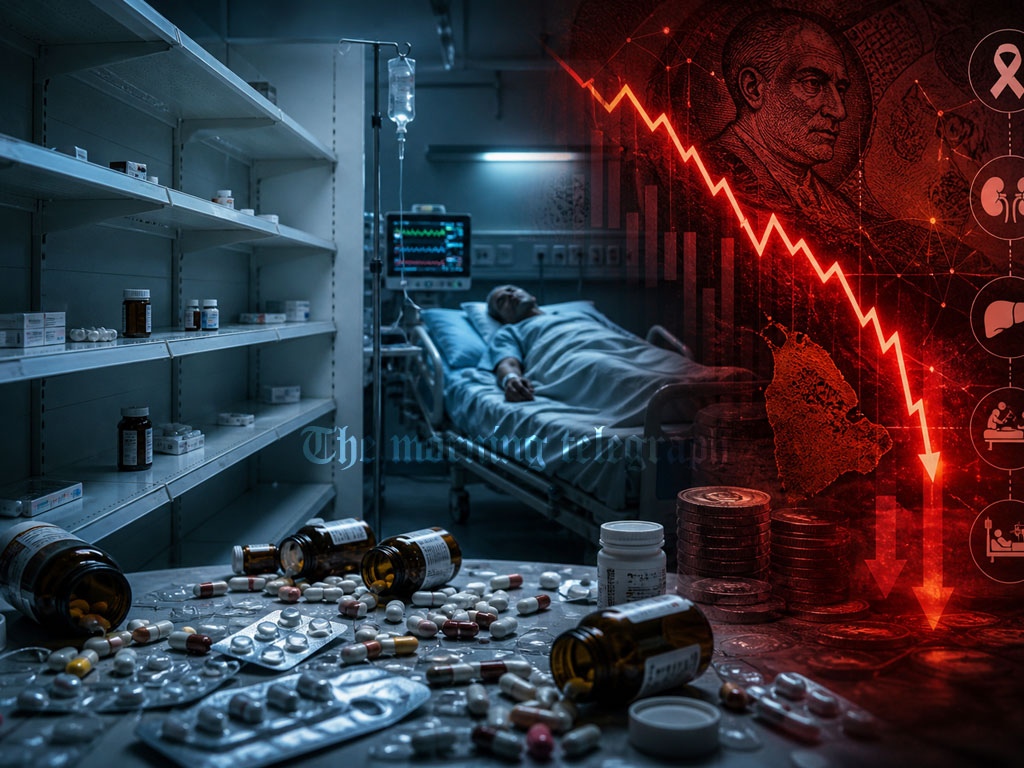
Medicine shortage worsens in Sri Lanka as rupee depreciation, supplier delays, and import issues place cancer and kidney patients at risk.
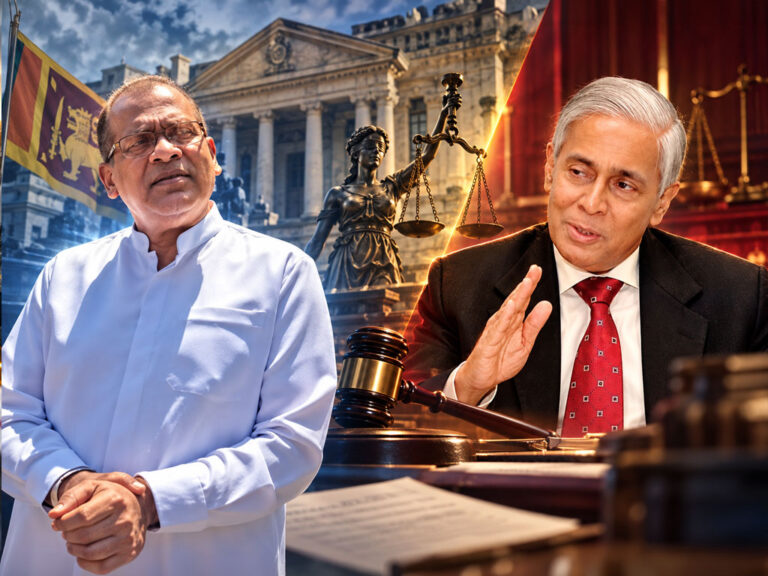
The medicine shortage in Sri Lanka has reached a severe level, with Specialist Dr. Chamal Sanjeewa warning that patients suffering from major illnesses are now facing serious risks due to the lack of essential drugs.
Chairman of the Medical and Civil Rights Doctors’ Trade Union Alliance, Specialist Dr. Chamal Sanjeewa, stated that economic inflation caused by the depreciation of the rupee has badly affected the availability of medicines in the country. He said many essential medicines are now in severe shortage even in private pharmacies.

According to him, foreign drug suppliers are not carrying out their supply operations properly, creating further pressure on an already strained health sector. This raises concerns about whether Sri Lanka’s medicine supply chain can continue to support patients who depend on regular and urgent treatment.
Dr. Chamal Sanjeewa pointed out that the shortage of medicines used for major illnesses in the market has placed patients’ lives at serious risk. Cancer patients, kidney patients, liver patients, and those waiting for surgeries are among the groups facing severe difficulties due to the crisis.
Patients receiving long term treatment for non communicable diseases are also struggling to obtain the medicines they need. These include individuals who require regular medication to manage chronic health conditions, where interruptions in treatment can lead to worsening illness and life threatening complications.
The specialist doctor said the severe depreciation of the rupee against the dollar is one of the main reasons behind the current medicine shortage. As the cost of imports rises, foreign suppliers and local distributors are facing difficulties in maintaining steady supplies to the Sri Lankan market.
He also noted that suppliers are reluctant to import medicines into the country at controlled prices. This has created a difficult situation where medicines remain officially regulated, but suppliers are hesitant to bring them in due to pricing and currency related challenges.
Delays in the registration process for certain medicines have also contributed to the shortage. These administrative delays have added another layer of pressure at a time when hospitals, pharmacies, and patients are already struggling to cope with limited availability.
Given the current situation, some patients have been forced to personally import their medicines from abroad. However, questions remain over how many patients can afford such a costly option, especially at a time when many families are already under financial pressure.
Dr. Chamal Sanjeewa emphasized that patients without the financial means to import medicines personally are at risk of being left in a critical condition. This has deepened fears that access to life saving treatment may increasingly depend on personal wealth rather than medical need.
Specialist Dr. Chamal Sanjeewa further warned that if responsible authorities do not intervene urgently and provide practical solutions, the country’s patient care services could collapse entirely. What happens next could be critical, as the medicine shortage now threatens not only individual patients but the wider stability of Sri Lanka’s healthcare system.