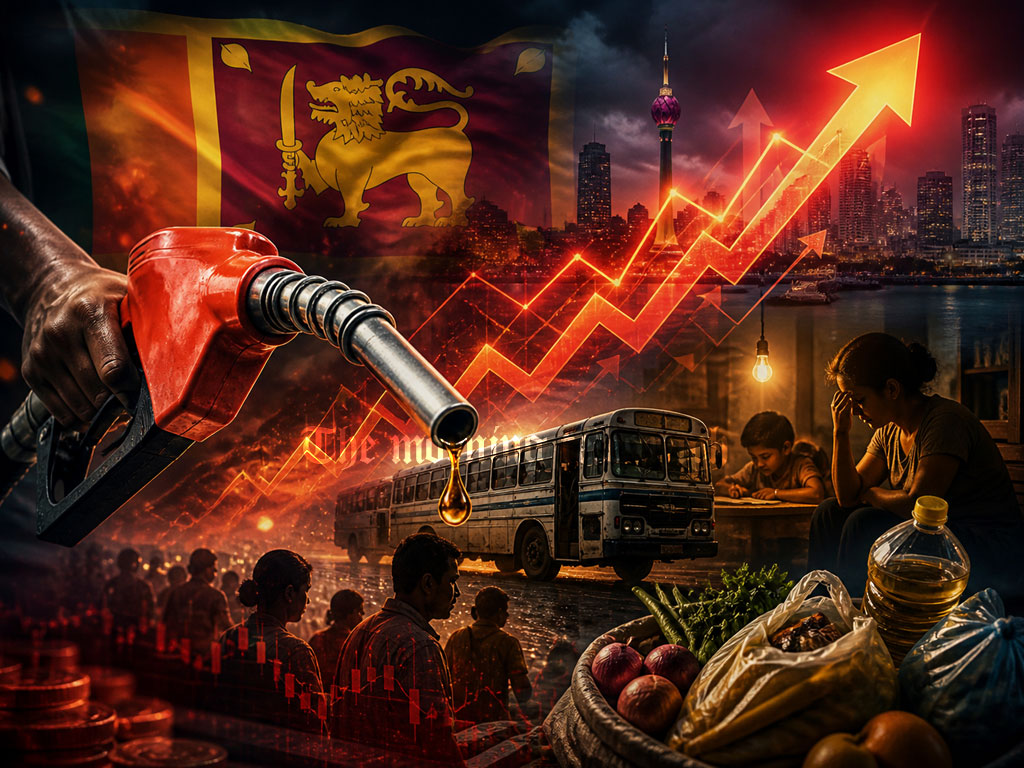
Sri Lanka fuel price surge raises fears of a cost-of-living crisis as four hikes in five weeks hit transport, food, power and households.
Sri Lanka fuel price surge fears have intensified after four rounds of fuel price hikes in just five weeks, with the latest increase taking effect on Sunday (3).
The increases follow the cost-reflective pricing formula Sri Lanka agreed to under the IMF program.
With global crude oil prices reaching near four-year highs after conflict escalated in West Asia, the government had limited room to avoid the latest revision.
However, the speed of these fuel hikes has sent a strong shock through the national economy, threatening to weaken the fragile stability Sri Lanka has tried to rebuild after the 2022 default.

As pump prices rise, the pressure spreads quickly through every layer of society, turning an energy pricing issue into a wider cost-of-living crisis.
The volatility is mainly driven by the government’s mandatory cost-reflective fuel pricing formula.
Although the formula was designed to protect the state-run Ceylon Petroleum Corporation from heavy losses, it now works as a direct channel through which global instability reaches Sri Lankan consumers.
Since late March 2026, global crude prices have been pushed higher by rising tensions in West Asia, especially involving Iran and Israel.
Sri Lanka, as a net oil importer, has little control over international market movements.
Every time Brent crude prices rise, or shipping insurance premiums increase due to maritime threats in the Indian Ocean, the local pricing formula automatically pushes prices upward.
For a country already spending nearly 20% of its import bill on energy, these repeated adjustments create financial pressure that makes household and business planning extremely difficult.
The Shock Beyond The Fuel Pump
Fuel prices never affect only the energy sector. Fuel is one of the basic inputs behind nearly every form of economic activity.
By April 2026, inflation data had already begun to show the impact.
The transport group became the single largest driver of non-food inflation, contributing 1.72% to the year-on-year increase.
As diesel prices climb, bus fares, school van fees, and delivery costs for essential goods tend to follow almost immediately.
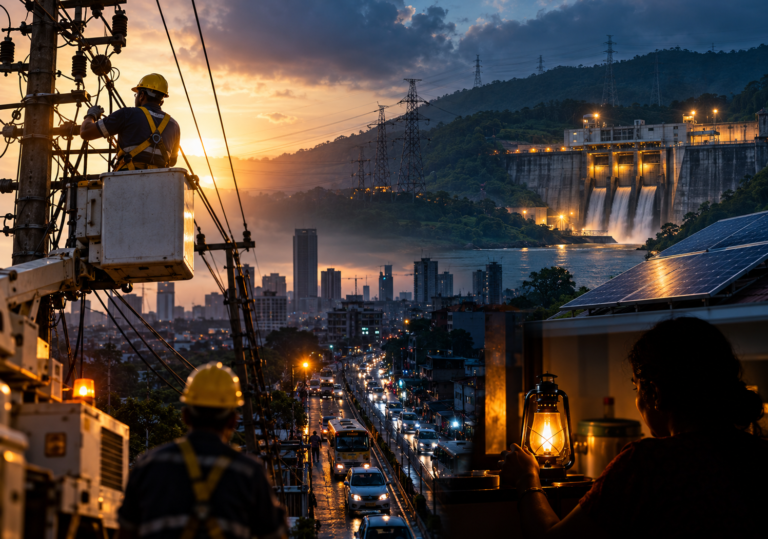
Higher fuel prices also directly affect thermal power generation costs.
The group covering “Housing, Water, Electricity, Gas and Other Fuels” contributed 1.19% to inflation in April.
This creates a double burden for ordinary citizens. They pay more to travel to work, and then pay more to keep the lights on when they return home.
Food prices are also tightly linked to fuel, even though they are often discussed separately.
The cost of running fishing trawlers, operating farm machinery, and transporting vegetables from the Central Highlands to Colombo means that even a good harvest can become expensive by the time it reaches the market.
In April 2026, food commodities contributed 0.92% to inflation, largely because of these distribution and transport costs.
A Smaller Basket For Families
For ordinary Sri Lankans, these figures are not just economic data. They represent a daily struggle to maintain a basic standard of living.
The Colombo Consumer Price Index recorded a sharp increase in April 2026, with the index rising by 5.8 points in one month.
In practical terms, this represents an expenditure value increase of 5,380.92 rupees for a standard market basket.
For a fixed-income family, finding an additional 5,000 rupees every month simply to maintain the same level of consumption is extremely difficult.
The outcome is forced austerity.
Families are cutting back on protein-rich foods, postponing medical check-ups, and pulling children away from extracurricular activities.
The middle class is increasingly moving toward the working poor category, as disposable income is absorbed by higher transport costs, utility bills, and basic household expenses.
Central Bank Caught In A Tight Corner
The Central Bank of Sri Lanka now faces a difficult policy dilemma.
The latest inflation increase, with month-on-month non-food items rising by 2.43%, threatens to disrupt the IMF-supported recovery path.
If the Central Bank raises interest rates to control imported inflation, it risks suffocating domestic businesses that are already struggling with high operating costs.
However, if it does not act, the rupee may come under pressure, increasing the cost of fuel imports and creating a dangerous cycle of depreciation and inflation.
This policy trap is directly linked to Sri Lanka’s high oil dependency, where one global commodity can influence the country’s entire macroeconomic direction.
The fourth fuel hike in five weeks is a clear warning that Sri Lanka’s recovery remains exposed to global geopolitics.
While the government is required to maintain fiscal discipline under the IMF program, the social cost of repeated price shocks is moving closer to breaking point.
To escape this cycle, Sri Lanka must shift from crisis management toward structural independence.
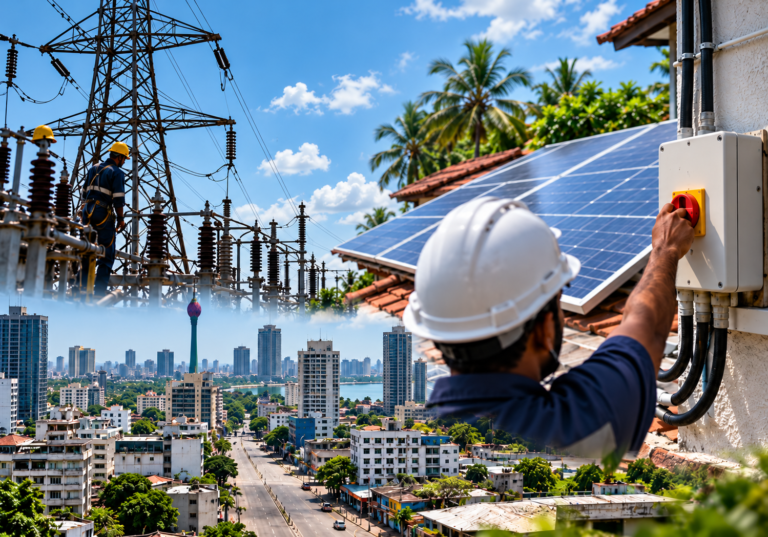
That means accelerating the transition to renewable energy to reduce dependence on volatile global oil markets. It also means strengthening the social safety net so vulnerable families are protected from the immediate impact of the fuel pricing formula.
However, questions remain over whether these reforms can happen fast enough to protect households from the next oil shock.
Without such changes, and amid continuing geopolitical pressure, the Pearl of the Indian Ocean risks being pulled deeper into the very energy markets it depends on for survival.