IMF reserve targets remain out of reach as Sri Lanka struggles to build foreign reserves ahead of the program deadline in March next year.
Sri Lanka’s IMF program is facing renewed scrutiny after concerns were raised that the country’s foreign reserve targets remain significantly below agreed levels.
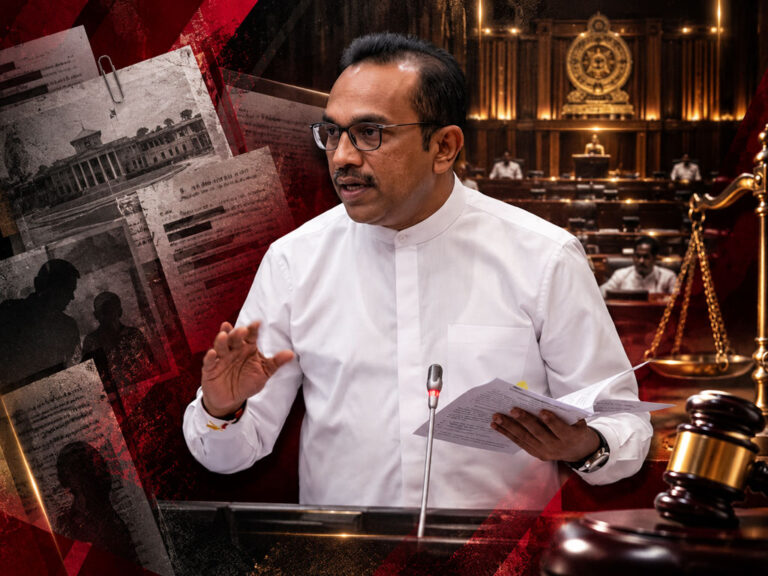
Former Minister Bandula Gunawardena has stated that Sri Lanka’s gross official foreign reserves remain insufficient to meet the benchmarks established under the agreement with the International Monetary Fund.
He pointed out that, according to commitments made under the IMF program, Sri Lanka’s gross official foreign reserves should currently stand at US$9.27 billion.
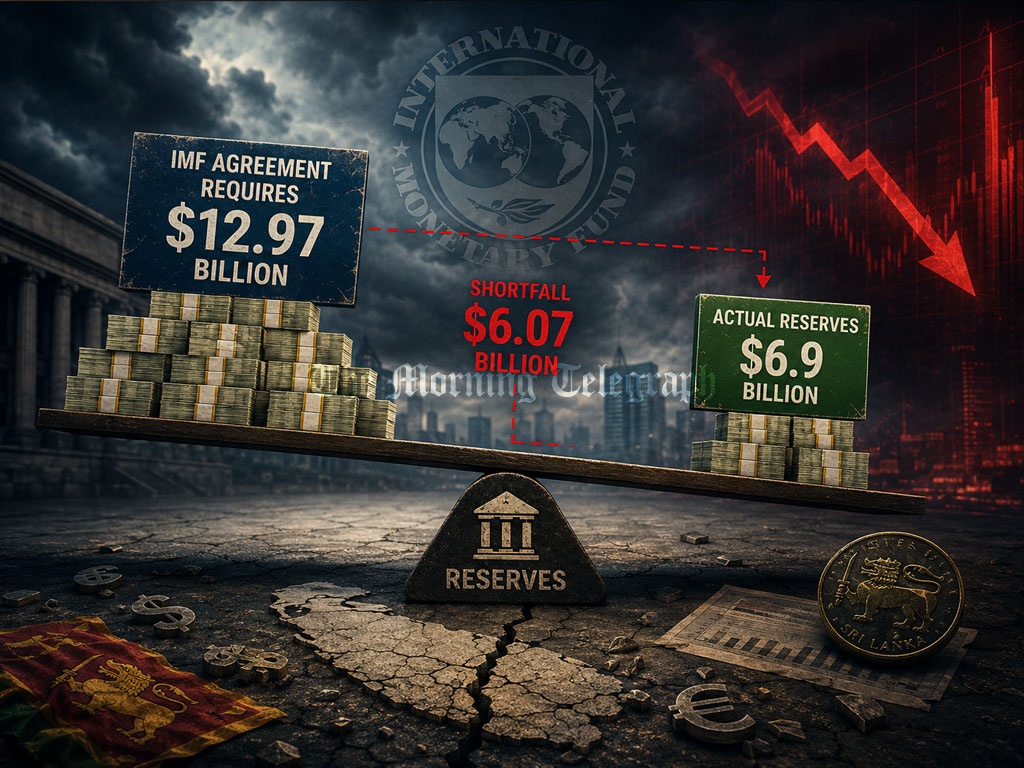
However, he noted that the government has so far failed to even cross the US$7 billion threshold.

The agreement currently in force between Sri Lanka and the International Monetary Fund is scheduled to expire on March 20 next year.
Bandula Gunawardena further revealed that the IMF has indicated Sri Lanka’s gross international reserves must increase to US$12.97 billion by the end of the program period.
According to the former Minister, this requirement presents a major challenge given the country’s current reserve position.
He emphasized that if the government is struggling to achieve even a reserve level of US$7 billion at present, there is a serious question as to how the significantly higher target can be reached within the remaining period of the agreement.
The comments come amid growing attention on the progress of Sri Lanka’s ongoing economic recovery program and its obligations under the IMF-backed reform framework.
Meanwhile, a special mission team from the International Monetary Fund is scheduled to undertake an official visit to Sri Lanka to assess the progress of the country’s financial and economic reform agenda.
The special staff visit has been arranged to begin on June 24 and continue until June 30.
The delegation is expected to closely monitor developments relating to the economic stabilization measures currently being implemented by the government.
A team of senior IMF officials is expected to participate in the visit, including Mr. Ewan Papageorgiou, who serves as the head of the International Monetary Fund’s Sri Lanka mission.
The primary objective of the delegation’s visit is to conduct a detailed review of the progress, implementation, and current status of Sri Lanka’s economic stabilization and reform programs.
The assessment is expected to provide the IMF with an updated picture of how the country is performing against agreed targets, including key indicators linked to fiscal reforms, economic restructuring, and foreign reserve accumulation.
The outcome of the visit is likely to attract significant attention as Sri Lanka continues its efforts to strengthen economic stability while meeting the conditions attached to its IMF-supported recovery program.