By Roy Denish.
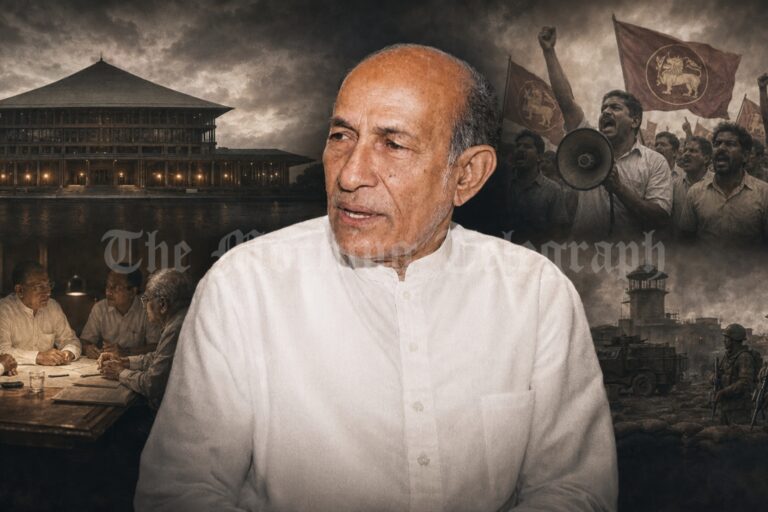
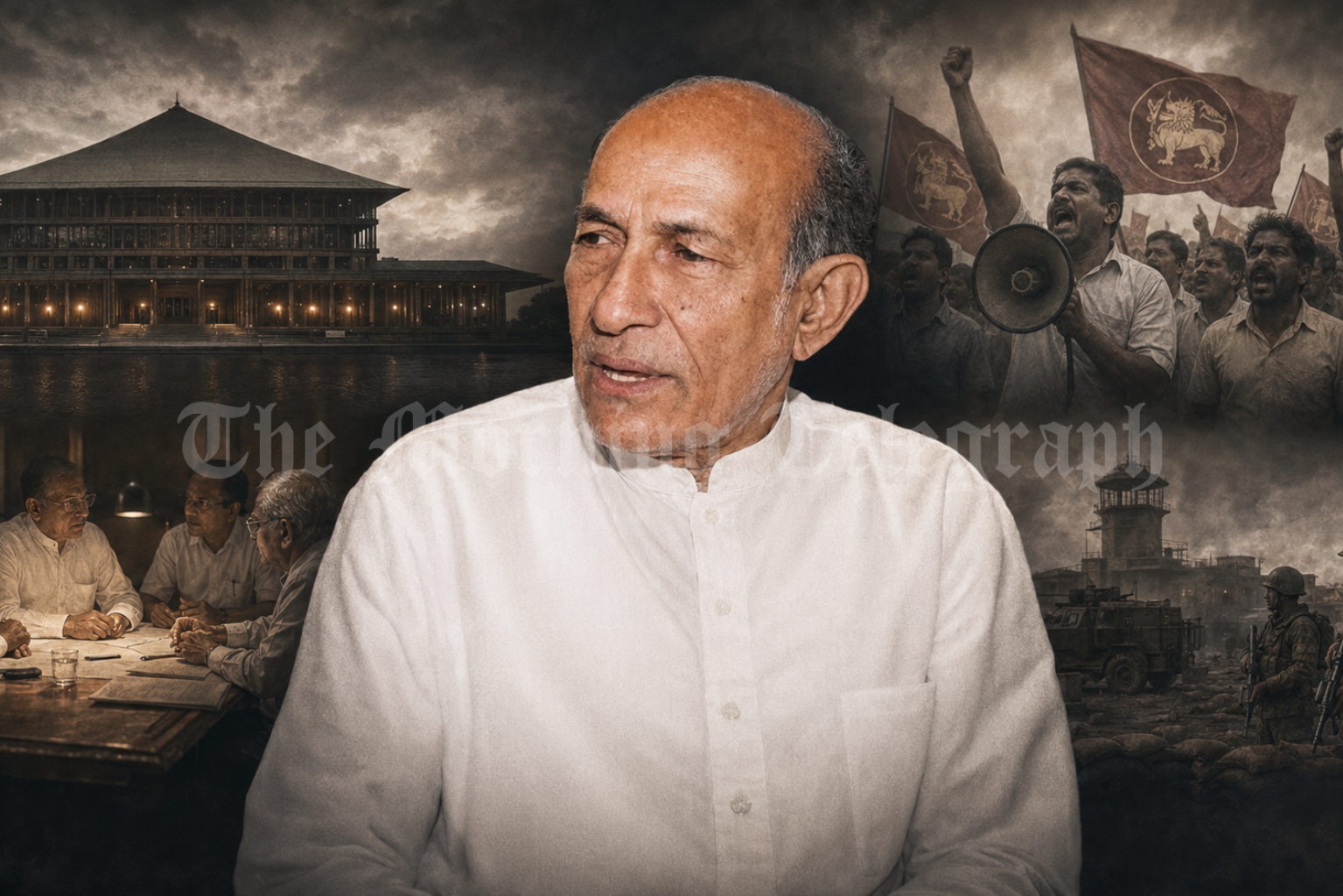
The political legacy of Seyed Ahmed Seyed Alavi Moulana remains a complex study in political survival, unwavering loyalty, and the high-stakes compromises of wartime governance. Over a career spanning more than six decades, his journey from the front lines of the labor movement to the highest echelons of the Sri Lankan establishment has drawn vastly different interpretations, depending entirely on which lens one uses to view his actions.
To his supporters, Moulana was a principled loyalist who stood as a rare pillar of consistency in a political landscape notorious for opportunistic shifting. Joining the Sri Lanka Freedom Party in 1956 as its first prominent Muslim figure, he remained fiercely committed to the party through its highest peaks of power and its longest stretches in the political wilderness. His early decades were defined by genuine sacrifice for the working class; during the severe anti-union crackdowns of the late 1970s and 1980s, he faced immense physical violence, sustaining major injuries while leading street protests for workers’ rights. From this perspective, his eventual ascent to powerful establishment roles—including Member of Parliament, Cabinet Minister of Labour, and long-serving Governor of the Western Province—was the hard-earned culmination of a lifetime dedicated to public service.
Conversely, critics interpret this long-term survival through a far more cynical lens, painting a picture of an institutional regular who prioritized party preservation and personal longevity over systemic accountability. Because he chose to operate strictly within the internal, quiet channels of the ruling party structure under successive leaders from Sirimavo Bandaranaike to Mahinda Rajapaksa, he never publicly broke ranks or exposed deep-seated institutional rot, making the label of whistleblower entirely inapplicable to his historical record.

This tension between political posturing and operational reality peaked during the final stages of the civil war. Following the successful military operations in the Eastern Province in 2007, where the Sri Lankan armed forces dismantled major LTTE strongholds like Thoppigala, Moulana aggressively sought to claim political credit for the victories to bolster the ruling administration’s narrative. This public relations push collided heavily with military security. Field Marshal Sarath Fonseka reprimanded political figures for leaking operational timelines and tactical details to foreign news agencies and diplomatic missions, viewing the eagerness for international headlines as a reckless security breach that endangered troops on the ground.
Similarly, his shifting relationship with the TMVP breakaway faction highlights the calculated maneuvers of wartime diplomacy. When Sivanesathurai Chandrakanthan, known as Pillayan, originally split from the LTTE, the political establishment utilized the faction as a crucial proxy to fracture the northern rebellion. However, once the military completely dismantled the LTTE camps and consolidated total centralized authority, the strategic necessity for armed proxies dissolved. Faced with mounting pressure from foreign agencies and international bodies over the government’s reliance on paramilitary groups, the establishment systematically sidelined these former allies to protect state legitimacy and centralize power in Colombo.
Even in moments of severe controversy, when opposition factions leveled sweeping accusations of institutional mismanagement and local media claimed he had fled the capital to avoid inquiry, the response from his camp reflected a seasoned survival instinct. Dismissing the charges as completely fabricated political theater, his allies maintained that the unverified allegations were merely an orchestrated campaign of deflection designed to settle old partisan scores. Ultimately, whether viewed as a steadfast champion of the working class or a consummate insider who expertly navigated changing political winds, Alavi Moulana remains a defining fixture of Sri Lanka’s political history.
#AlaviMoulana #SriLankaPolitics #PoliticalHistory #SLFP #SriLankaFreedomParty #SriLanka #CivilWar #EasternProvince #Thoppigala #SarathFonseka #MahindaRajapaksa #SirimavoBandaranaike #TMVP #Pillayan #LTTE #LabourMovement #WorkersRights #PoliticalLegacy #WartimePolitics #SriLankanHistory