by Roy Denish
Sri Lanka Rugby’s administrative meltdown has spiraled into an international crisis, with global complaints, looming sanctions, and the threat of World Rugby isolation placing the sport’s future in unprecedented jeopardy.
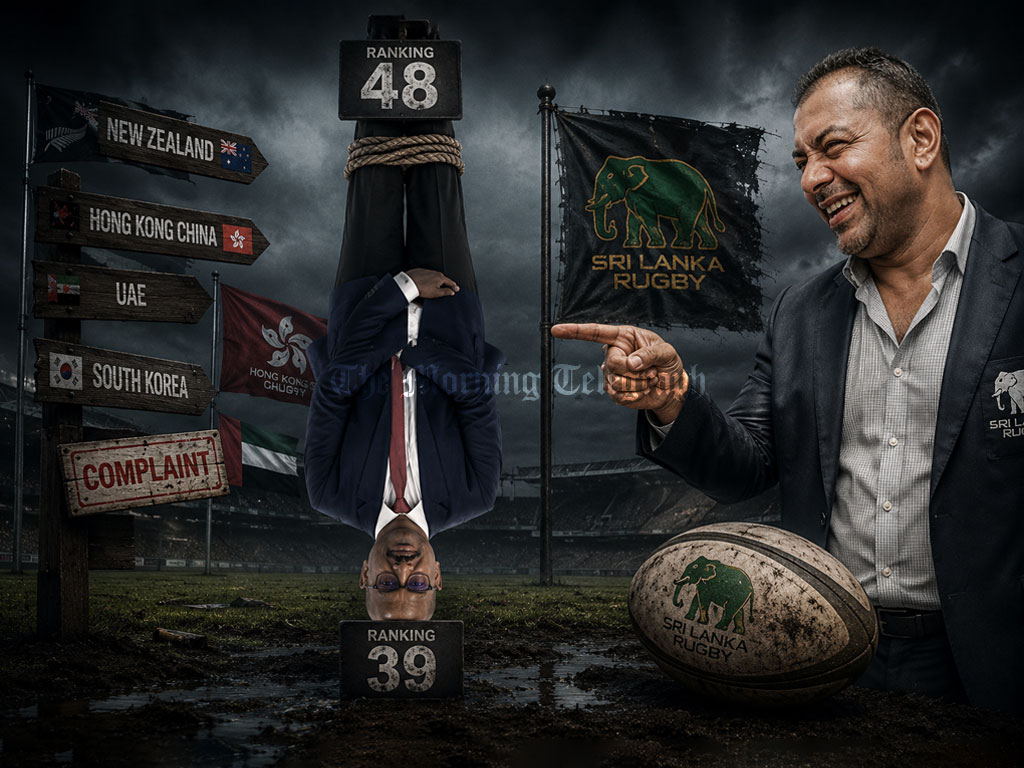
A series of severe administrative blunders by Sri Lanka Rugby has rapidly escalated from a domestic sports crisis into a regional diplomatic standoff, leaving the national union facing total international isolation and the threat of a global ban. The crisis deepened following formal complaints from New Zealand Rugby and the Hong Kong China Rugby Union, compounding the fallout from an administrative mishap that forced the national team to forfeit a major championship match earlier this month. In response, the Ministry of Sports has appointed an independent panel to investigate the allegations, signaling a hardline stance against the union. However, the government’s weighed solution of appointing a political interim committee threatens to trigger a swift suspension from World Rugby, the sport’s global governing body, which strictly prohibits state interference in its member unions.

The dominoes began falling on June 13, when Sri Lanka’s national team, the Tuskers, failed to board a flight to Incheon for their Asia Rugby Emirates Men’s Championship match against South Korea. Due to failures in securing visas and finalizing travel arrangements, the team missed the fixture entirely. Asia Rugby subsequently declared the match a default, handing South Korea an automatic 20-0 victory and causing Sri Lanka to plunge to 48th in the World Rugby rankings. The administrative failure has triggered immediate consequences on home soil, with high-profile rugby nations, including Hong Kong and the United Arab Emirates, reportedly declining to send match officials for upcoming marquee domestic fixtures, including the historic Bradby Shield encounter. This loss of elite regional refereeing support directly threatens to undermine the competitive integrity of Sri Lanka’s top-tier tournaments.
While the missed flight exposed deep operational incompetence, the newly surfaced international complaints point to broader structural dysfunction and cultural issues within the union’s management. The complaint from New Zealand Rugby, a global powerhouse whose influence carries immense weight, stems from a controversial local fixture in Kandy, where eyewitness testimonies have already corroborated allegations of local misconduct. Simultaneously, Hong Kong China Rugby filed a formal protest condemning disparaging remarks made by Sri Lankan officials against a Hong Kong referee who serves on World Rugby’s elite panel. The friction was reportedly worsened by internal advisers and un-credentialed assessors providing flawed guidance and questionable evaluations of international match officials, further alienating regional stakeholders.
The Sports Ministry’s independent panel concluded its evidence collection on June 26, and government sources indicate that the ministry is heavily favoring the installation of an interim committee to strip the current leadership of power. Yet, this remedy carries an exceptionally high risk of backfiring, as World Rugby has historically shown zero tolerance for government meddling in national sports bodies. Should the Sri Lankan government dissolve the elected board and install its own committee, World Rugby is highly likely to suspend the country entirely, a move that would freeze international funding and ban Sri Lankan teams from competing globally. SLR officials could not be reached for comment, but with regional peers actively distancing themselves, the sport now faces a choice between immediate, sweeping internal reform or total ostracization from the global game.