Iran port blockade returns as Trump proposes a 20% Hormuz cargo charge, while Tehran mocks the plan and shipping risks rise.
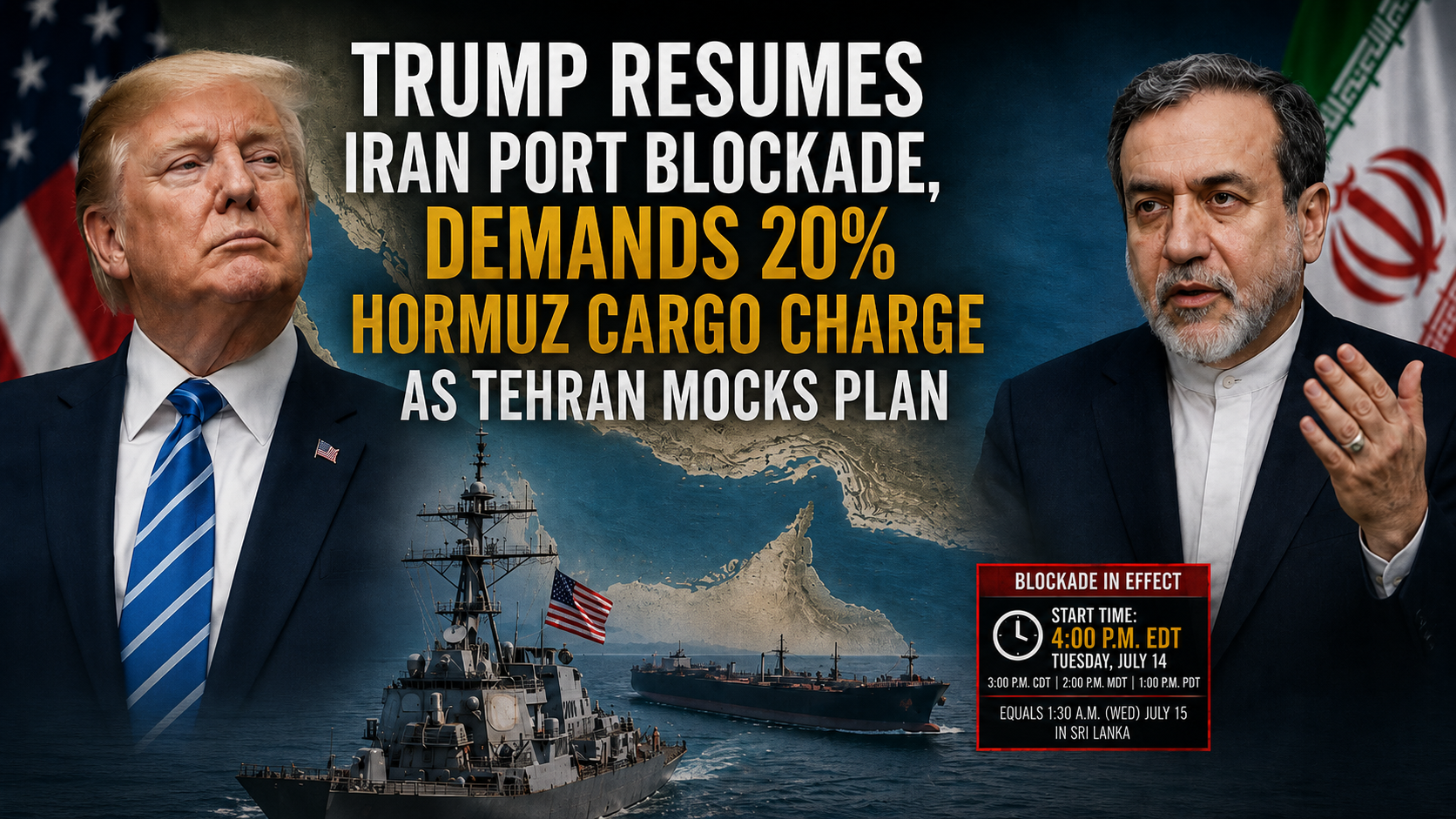
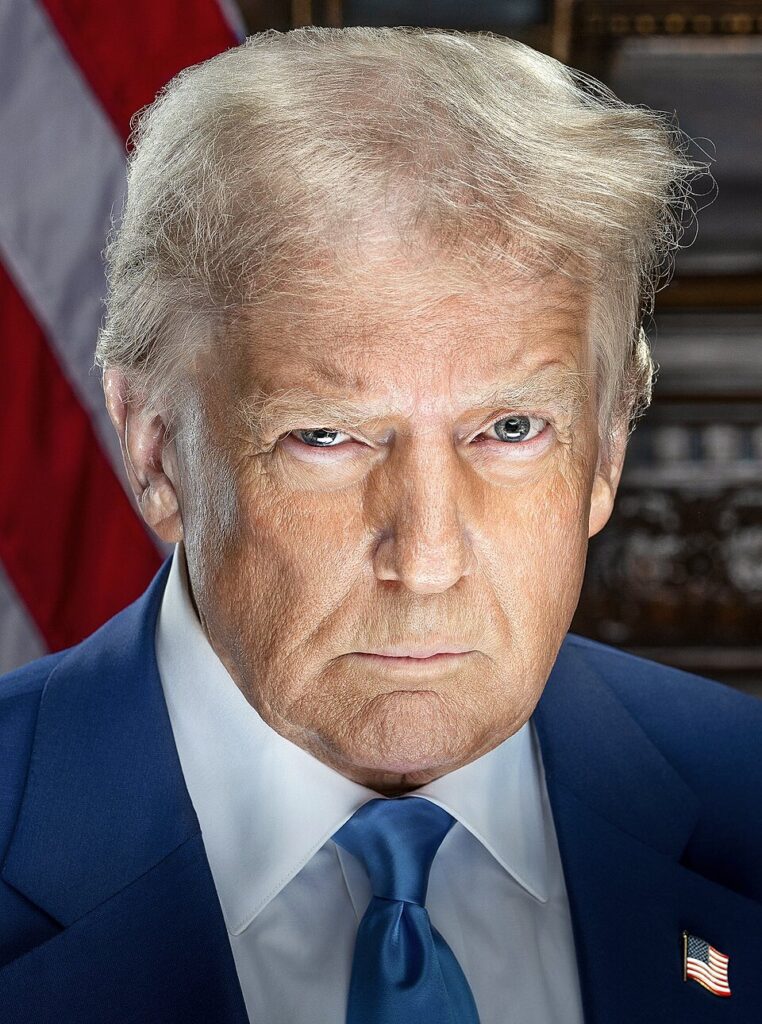
President Donald Trump has ordered the US military to resume the Iran port blockade, while proposing a 20% charge on cargo moving through the Strait of Hormuz.
According to reports citing US officials, the renewed blockade will take effect at 4:00 p.m. Eastern Daylight Time on Tuesday, July 14.
That is 3:00 p.m. Central Time, 2:00 p.m. Mountain Time and 1:00 p.m. Pacific Time. In Sri Lanka, enforcement is scheduled to begin at 1:30 a.m. on Wednesday, July 15.

The decision sharply escalates the renewed confrontation between Washington and Tehran. It places commercial shipping, energy exports and the legal status of one of the world’s most important maritime routes at the centre of the dispute.
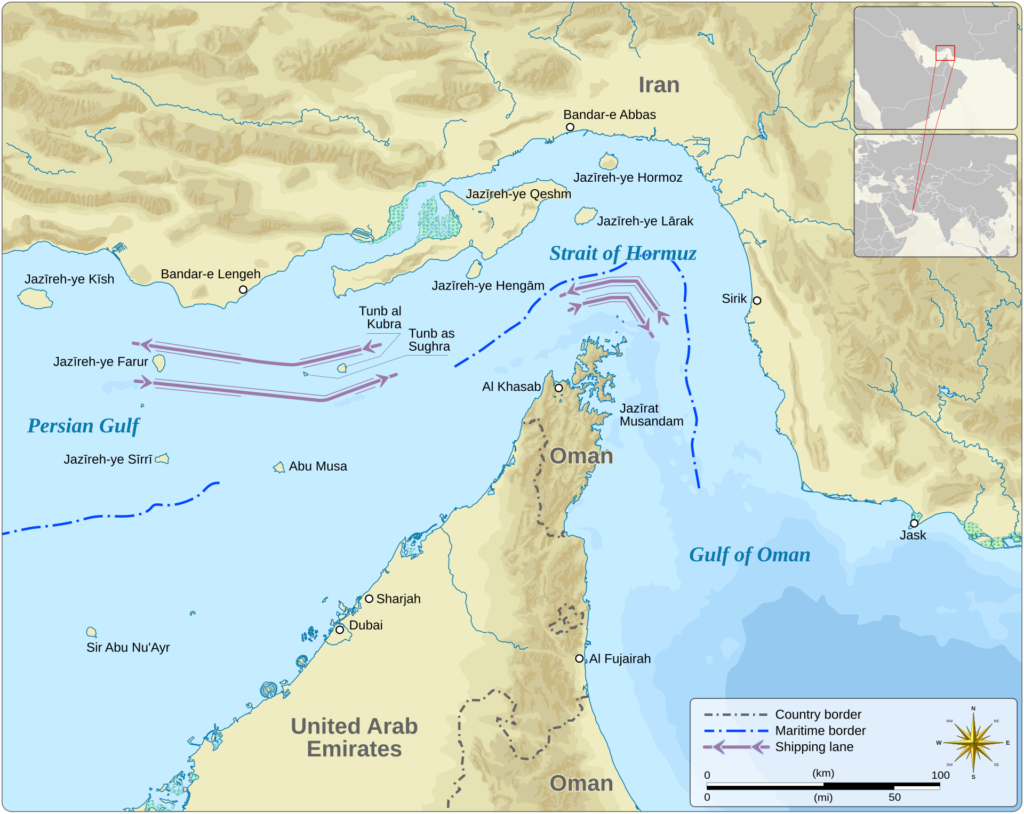
Trump said the United States would again prevent ships from entering or leaving Iranian ports. However, vessels travelling to and from other countries would still be allowed through the Strait of Hormuz.
Therefore, the order targets maritime traffic linked to Iran rather than closing the entire strait to international shipping. US officials said vessels not involved in Iranian trade should continue to pass through the waterway. The distinction is crucial because the measure does not amount to a complete shutdown of the strategic passage for all international commercial traffic.
Trump Calls Washington the ‘Guardian’ of Hormuz
While announcing the operation, Trump described the United States as the “Guardian of the Hormuz Strait.” He said Washington should receive compensation for protecting vessels and cargo passing through the channel.
Trump proposed collecting an amount equal to 20% of the value of cargo transported through the waterway.
However, the administration has not publicly explained how officials would calculate, collect or enforce the proposed payment.
It also remains unclear whether the demand would cover every vessel crossing Hormuz. Alternatively, it could apply only to ships seeking US protection or authorization.
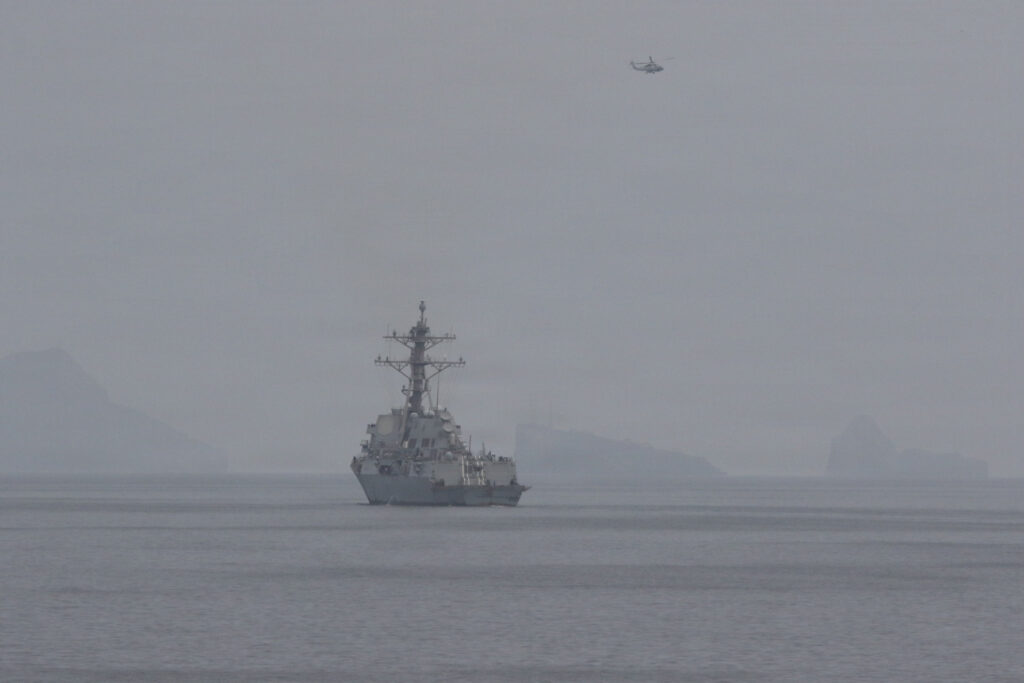
The proposal immediately triggered legal questions about navigation rights, enforcement authority and whether Washington could lawfully require commercial operators to surrender part of their cargo value. The Strait of Hormuz is an international waterway linking the Persian Gulf to the Gulf of Oman and the Arabian Sea.
The United Nations shipping agency has challenged the concept of compulsory tolls. It maintains that authorities should not obstruct passage through international straits or make access dependent on such payments.
Tehran Mocks Trump’s 20% Cargo Proposal
Iranian Foreign Minister Abbas Araghchi responded sarcastically to Trump’s proposal. At first, his message appeared to agree with the US president.
“POTUS is absolutely right,” Araghchi wrote. He then argued that whoever guarantees safe passage for commercial vessels through Hormuz should receive compensation.
However, his message did not endorse Washington’s plan. Instead, Araghchi turned Trump’s argument against him by claiming that Iran, not the United States, had historically secured the strait.
He maintained that Tehran had always served as the waterway’s guardian and would continue to hold that role.
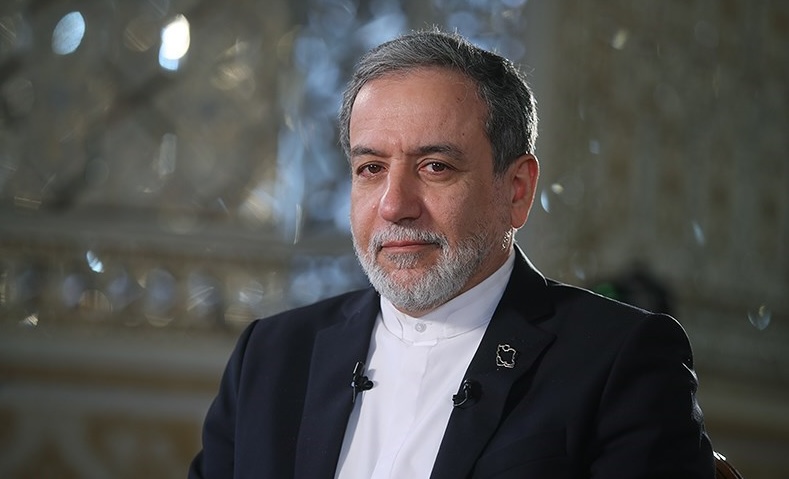
Under Trump’s own reasoning, Araghchi argued, Iran should therefore collect any payment for protecting vessels crossing the strait.
He also ridiculed the proposed 20% rate as excessive. Moreover, he suggested that Iran could offer commercial shipping a fairer arrangement.
The exchange highlights the broader dispute over who holds authority to control, patrol and regulate Strait of Hormuz traffic.
Iran has long argued that its geography gives it a central security role because it occupies the waterway’s northern coastline. Meanwhile, the United States maintains a major naval presence in the region and says it protects international navigation.
Iran Port Blockade Returns After Suspension
The United States first began enforcing its blockade on maritime traffic entering and leaving Iranian ports on April 13.
US Central Command later reported that its forces disabled several vessels and redirected more than 100 others during enforcement operations.
During one incident in June, CENTCOM said a US aircraft fired a Hellfire missile into a tanker’s engine room. The vessel had allegedly ignored instructions and continued towards Iran.
The United States later suspended the blockade under a US-Iran understanding. That arrangement reopened the Strait of Hormuz to international shipping and established a framework for further negotiations.
However, renewed attacks and disputes over control of the waterway caused the agreement to collapse. Trump then announced the return of the Iran port blockade.
Under the renewed order, US forces could intercept, redirect or disable commercial vessels attempting to enter or leave Iranian ports without authorization.
Authorities have previously advised mariners near the Gulf of Oman and the approaches to Hormuz to monitor official notices. They have also urged vessels to maintain contact with naval forces through established maritime communication channels.
Oil Prices Jump as Shipping Threats Grow
Oil prices climbed by more than 5% after Trump’s announcement as traders assessed the threat of disrupted energy supplies.
The Strait of Hormuz traditionally carries about one-fifth of global oil and liquefied natural gas shipments. As a result, any threat to navigation can affect energy markets far beyond the Middle East.
Brent crude rose above $80 a barrel. US West Texas Intermediate also recorded a sharp increase as fears of further military confrontation grew.
Shipping companies may also face higher insurance premiums, security expenses and freight costs. Vessels operating in the region could face interception, missile attacks, drones or direct naval confrontation.
Even ships allowed to cross the strait could experience delays. Companies may pause voyages, reroute vessels or wait for clearer guidance from governments and insurers.
Blockade Raises Risk of Direct Naval Clash
The renewed operation creates an immediate risk of direct contact between American and Iranian forces.
Iran’s Islamic Revolutionary Guard Corps has warned that it will resist US interference in Hormuz. It has also accused Washington of threatening global energy security.
The most dangerous scenario could involve Iranian naval units escorting a commercial vessel into port while US forces attempt to intercept or redirect it.
Such an encounter could quickly escalate from warnings and manoeuvres to the use of force.
For now, major questions remain. Can the United States practically collect Trump’s proposed 20% cargo charge? Will international shipping companies comply? And how will Tehran respond after enforcement begins?
The first major test will come after 4:00 p.m. Eastern Daylight Time on Tuesday, July 14, when the US military is scheduled to resume enforcement of the blockade against maritime traffic connected to Iranian ports.