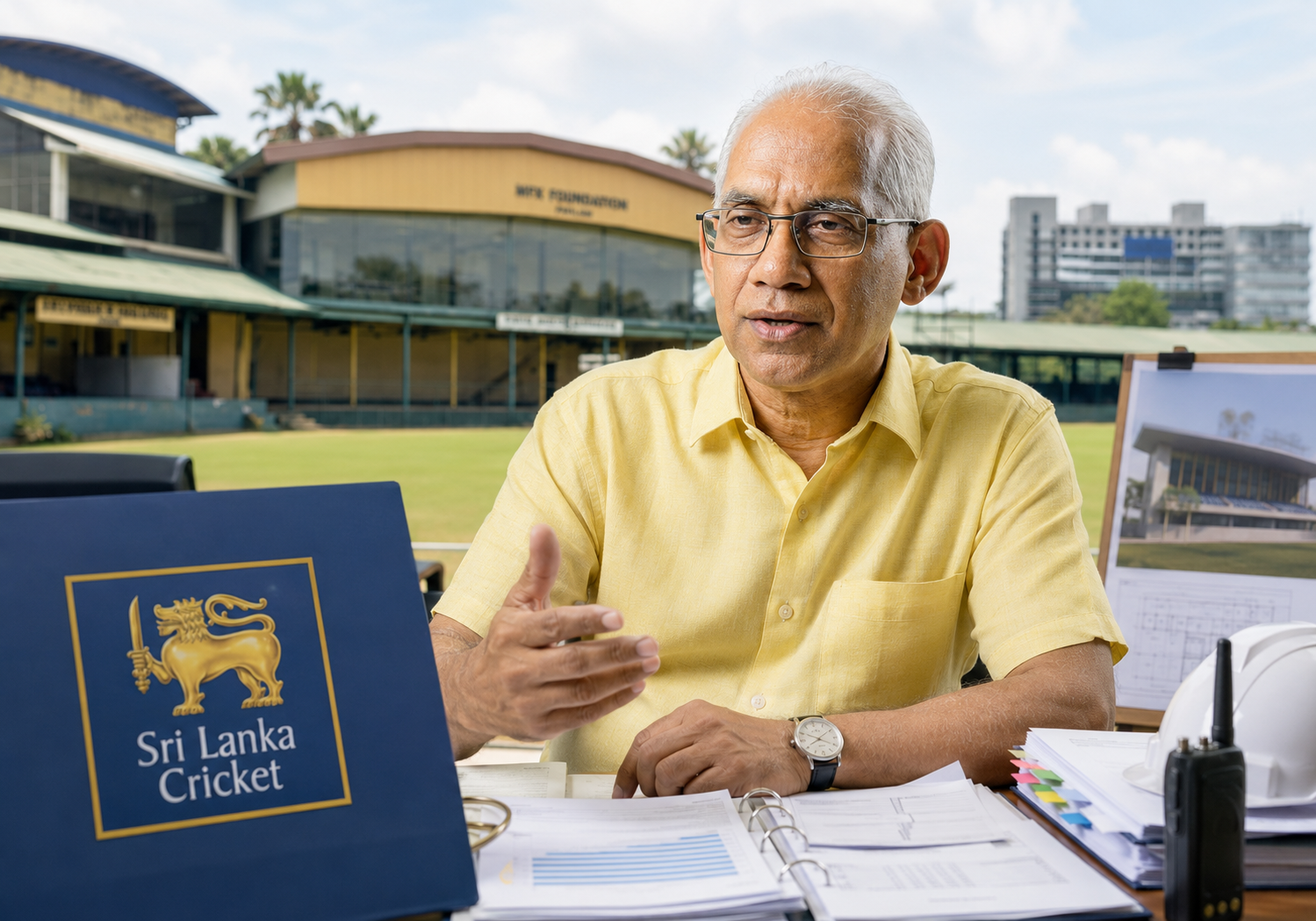
The SLC club grant delay raises concerns over unpaid clubs, Tamil Union upgrades, ICC funding and Sri Lanka’s 2027 tournament readiness.
The SLC club grant delay is causing growing frustration among Tier ‘A’ and Tier ‘B’ cricket clubs, months after their domestic tournaments ended in February.
For these clubs, the outstanding money is not a minor administrative matter. They rely on grants to pay coaches, support players, maintain grounds, arrange travel and run junior programmes. Delays can therefore affect the entire domestic cricket structure.
Under the normal system, Sri Lanka Cricket provides clubs with a grant but retains 10% until the season ends. Clubs usually receive that balance around May after submitting financial statements and confirming their expenses.
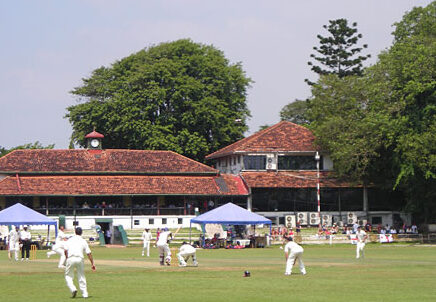
However, May has passed. The tournaments ended several months ago, and clubs have reportedly completed the required paperwork. Yet the final payments have still not been released.
SLC Club Grant Delay Raises Financial Questions
The main question is whether the delay reflects a routine administrative problem or wider financial pressure within Sri Lanka Cricket.
SLC is currently not receiving funding from the International Cricket Council. Therefore, clubs are asking whether ICC funding complications or internal cash-flow problems are affecting domestic payments.
If that is the reason, SLC should explain the situation honestly. Clubs should not have to rely on promises while continuing to meet salaries, travel costs and ground expenses.
Domestic clubs remain the foundation of Sri Lankan cricket. They identify young players, develop talent and provide the competitive system that feeds the national teams.
When clubs face financial pressure, players may receive payments late or lose support. Coaches and ground staff may also be affected. Junior programmes could be reduced, while ground maintenance and travel arrangements may suffer.
The clubs are not asking for special assistance. They are asking for money provided under the normal domestic cricket system.
That is why the delay has created anger. Clubs are entitled to ask why their payments remain unsettled while SLC continues to spend money on legal disputes, committees, administration and other high-profile matters.
The situation also raises questions about SLC’s ability to manage larger financial commitments. If the governing body cannot release relatively routine club grants on time, concerns will naturally arise over its international hosting responsibilities.
Tamil Union Development Plans Draw Attention
While several clubs reportedly wait for their grant balances, Tamil Union appears to be moving towards major infrastructure improvements. These reportedly include floodlights and increased spectator capacity.
The contrast has created concerns among other clubs. They want to know whether Tamil Union is receiving benefits during the current cricket restructuring while routine payments to other clubs remain delayed.
Three influential figures in the present cricket administration have long-standing associations with Tamil Union.
Eran Wickramaratne, Chairman of the Cricket Transformation Committee, has been publicly linked to the club as a former player. Prakash Schaffter, now Honorary Secretary of Sri Lanka Cricket, is also associated with Tamil Union. President’s Counsel Dinal Philips, another member of the Transformation Committee, has also been linked to the club.
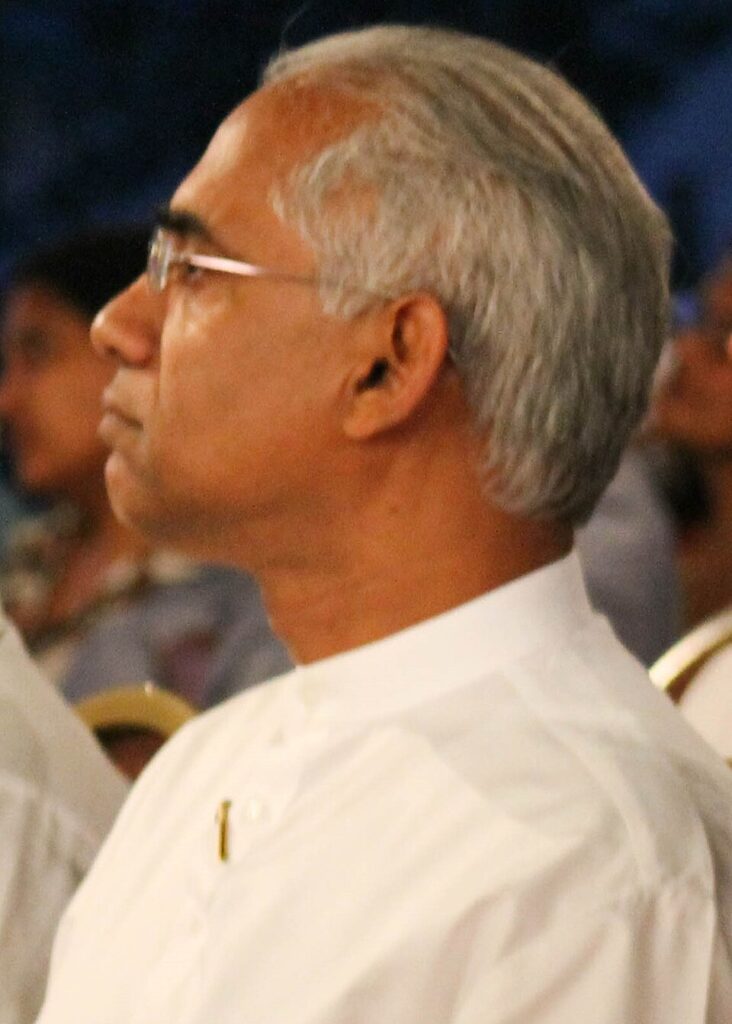
These connections do not prove wrongdoing or favouritism. However, transparency matters, particularly when public confidence in cricket governance remains weak.
SLC should explain who approved the Tamil Union project, how it will be funded and whether it is part of a wider programme for other leading clubs.
It should also clarify whether other Tier ‘A’ and Tier ‘B’ clubs had an equal opportunity to receive similar improvements.
Another important question concerns conflicts of interest. If officials with links to Tamil Union took part in discussions or decisions, did they declare those links? Did anyone withdraw from the process?
Clear answers would protect both SLC and Tamil Union from unnecessary suspicion. Silence, however, will only deepen doubts.
If Tamil Union received no special treatment, SLC can easily publish the development plan. It should identify which other clubs will receive upgrades, explain the selection criteria and provide a project timeline.
Major ICC Tournament Preparations Face Scrutiny
Sri Lanka is scheduled to host the next Women’s Champions Trophy in February 2027. The tournament should bring international teams, officials, media organisations and supporters to the country.
It could also benefit hotels, transport providers, restaurants, suppliers and sports-tourism businesses.
However, the club grant delay raises concerns about SLC’s financial and administrative readiness. Can the governing body confidently prepare for a major ICC tournament while clubs remain unpaid for a season that ended in February?
Sri Lanka has already suffered when cricket administration, political interference and ICC governance collided.
Former Sports Minister Roshan Ranasinghe removed the elected SLC Executive Committee and appointed an interim committee headed by Arjuna Ranatunga. The ICC later suspended Sri Lanka Cricket over political interference.
The ICC Under-19 Cricket World Cup, which Sri Lanka had been due to host, was then moved to South Africa.
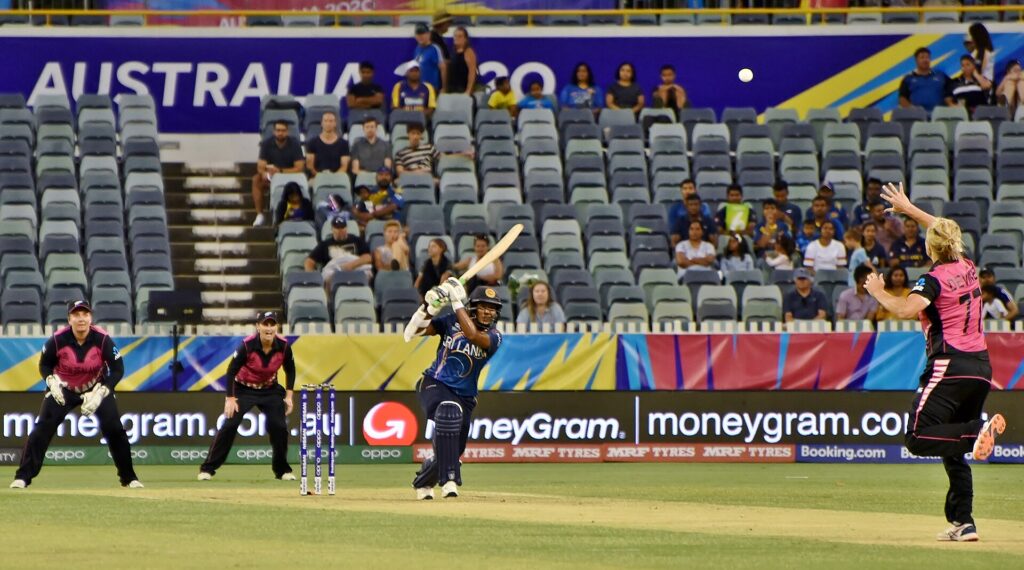
SLC reportedly lost around US$2.4 million in direct income. However, the wider loss extended beyond the hosting fee. A 16-team tournament would have brought players, officials, families, media personnel and supporters into the country.
Hotels, transport companies, restaurants, suppliers, venues and casual workers could all have benefited. Sri Lanka also lost valuable international exposure.
That episode should serve as a warning. International tournaments can move when governance becomes unstable. Funding problems can also weaken domestic cricket long before the national team feels the full effect.
Sri Lanka Cricket Must Give Clubs Clear Answers
Sri Lanka Cricket should now issue a detailed statement on the outstanding grants.
It should disclose how much remains unpaid, explain why the process has stalled and provide a firm payment date. SLC should also clarify whether interrupted ICC funding or internal cash-flow problems are affecting domestic cricket.
The governing body must also explain whether preparations for the 2027 Women’s Champions Trophy remain secure.
On the Tamil Union issue, SLC should confirm whether the proposed improvements form part of a nationwide club-development programme. It should publish the criteria used to select projects and state whether officials connected to Tamil Union withdrew from relevant decisions.
The clubs, players and public deserve clear answers. Those who may suffer first from administrative failure are not the people who created the crisis.
Club cricketers did not cause political interference. Coaches did not trigger the ICC suspension. Ground staff did not move the Under-19 World Cup to South Africa. Yet they may now face the consequences through delayed payments and reduced support.
From outside, the SLC club grant delay may appear to be a small financial dispute. In reality, it tests the governing body’s priorities, transparency and financial credibility.
SLC cannot celebrate international hosting rights while leaving domestic obligations unsettled. It cannot speak about rebuilding Sri Lankan cricket while clubs continue waiting for money already due.
The central question is therefore unavoidable: Is Sri Lanka Cricket repairing the system for the benefit of the whole game, or merely changing who benefits from it?