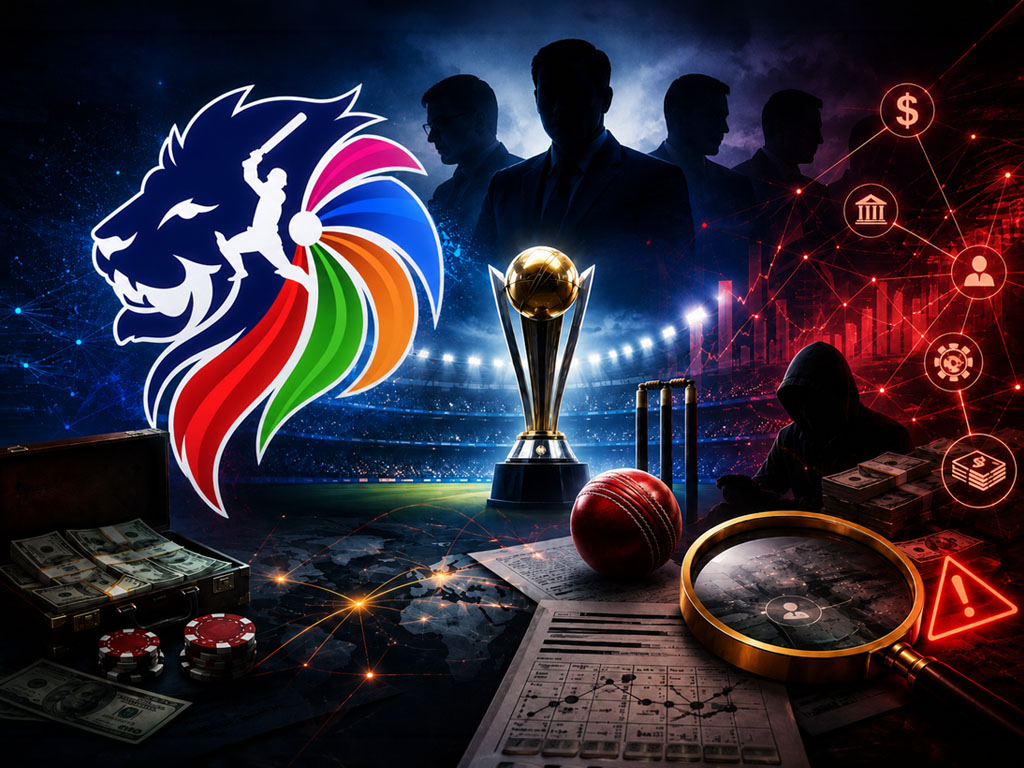
The LPL sponsorship controversy raises concerns over team owners, betting-linked brands, financial investigations and match-fixing risks.
The LPL sponsorship controversy raises a disturbing question for Sri Lankan cricket. Does the current administration believe that the source of sporting revenue does not matter, provided the money continues flowing?
That question emerges from closer scrutiny of the sponsors, media partners and team owners involved in the 2026 Lanka Premier League. Sri Lanka Cricket and IPG, which holds the tournament’s commercial rights, now face serious questions about how they assess investment capital.
The concern is whether commercial value has taken priority over legality, transparency and ethical responsibility.
The LPL has developed into a major financial project within South Asian cricket. Efforts have reportedly sought to elevate the tournament through approximately USD 20 million in investment from companies such as NASDAQ-registered Flash Sports & Media.
However, critics argue that the investment narrative conceals serious risks. These include alleged money laundering, match-fixing and links to questionable financial networks.

Arrest Deepens LPL Sponsorship Controversy
The tournament’s legal and reputational foundations faced turmoil before the opening match.
Sri Lanka Police’s Special Investigation Unit arrested Indian national Manjot Kalra, a co-owner of the Jaffna Kings, only hours before the tournament began.
Authorities remanded him over allegations that he attempted to influence matches by offering Rs. 9.5 million to several national-level players. The allegations remain subject to the legal process.
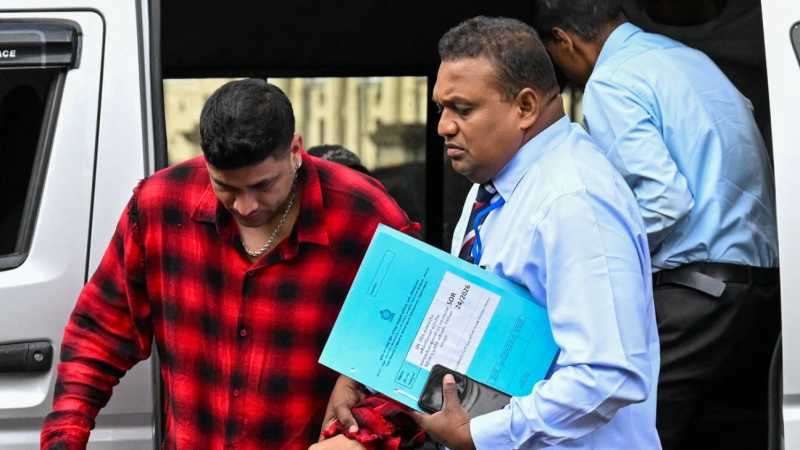
Owners connected to the Dambulla and Galle franchises had previously faced legal action over similar accusations.
These incidents raise an unavoidable question. How did people facing such serious allegations secure ownership roles in one of Sri Lanka’s biggest sporting competitions?
The cases also challenge the credibility of the background-verification system that reportedly examines potential franchise owners. Critics argue that repeated arrests indicate a complete breakdown in that process.
Questions also surround the origin and legality of local and foreign capital circulating around the tournament.
One example involves the Kasagala Group. The Central Bank of Sri Lanka has issued warnings concerning operations described as an illegal pyramid-style scheme.
Kasagala Green Plantations (Pvt) Ltd reportedly faces a Central Bank investigation under the Money Business Act No. 42 of 2011. The allegations concern the unauthorised acceptance of public deposits while promising high returns through agricultural plantation investments.
The Central Bank also rejected a claim attributed to company director Ranjith Nandana Peris that the business operated under Central Bank regulation. According to the warning, that statement was false and misleading to the public.
Against this background, reports claimed that the Kasagala company attempted to enter Sri Lanka’s media industry by purchasing Monara TV. The channel reportedly operated for approximately one year before closing.
However, the Commercial High Court later issued an injunction concerning the proposed transaction.
Financial Networks and Sportswashing Concerns
Critics argue that businesses facing serious financial investigations may seek ownership in media companies and sporting tournaments to gain public legitimacy.
They describe this strategy as “sportswashing,” where organisations use sport’s popularity and social influence to improve their reputations.
Further questions surround Surein Ajjarapu, described in the article as the closest business partner of Sandhya Ajjarapu, the owner of the Kandy Royals.
Surein Ajjarapu reportedly faces multiple federal financial fraud allegations involving breaches of United States Securities and Exchange Commission rules. Those matters remain subject to the relevant American legal proceedings.
The wider concern is whether opening Sri Lanka’s leading domestic cricket league to such networks exposes the country to international sportswashing operations.
A sporting brand built on national pride cannot afford weak oversight of the people and companies financing it.
The LPL sponsorship controversy also extends to the indirect involvement of overseas gambling companies.
Although Sri Lankan law restricts gambling advertising, international betting networks repeatedly enter the tournament through surrogate brands. They often present themselves as sports equipment businesses, sports news outlets or related service providers.
Brands such as 1xBat, Crickex.in and Babu88 Sports have funded or promoted the tournament through such arrangements.
Critics argue that surrogate advertising allows betting businesses to build visibility while avoiding the appearance of directly marketing gambling services.
They also warn that money entering cricket through opaque betting-related networks could create an easier route for match-fixing operations.
FanCode Tax Dispute Adds Digital Uncertainty
Questions also surround the tournament’s digital broadcasting structure.
FanCode serves as the league’s main Indian digital broadcaster. Its parent company, Dream Sports, has faced a major tax dispute involving a demand of Rs. 28,000 crore from Indian authorities in relation to online gaming.
The scale of that dispute creates uncertainty about the financial stability of a company supporting the LPL’s digital distribution.
It also raises questions about the long-term future of the league’s online broadcasting project if a major partner faces sustained financial and regulatory pressure.
None of these concerns automatically proves wrongdoing by every company, sponsor or individual connected to the tournament. However, the pattern demands stronger scrutiny from cricket administrators.
Sri Lanka Cricket cannot address these concerns through statements alone. It must establish mandatory forensic financial checks for team owners, sponsors, broadcasters and commercial partners.
These examinations should determine the origin of investment capital, beneficial ownership structures and any exposure to criminal, regulatory or tax proceedings.
The narrow approach of treating every source of capital as legitimate investment must end.
The cricket administration must now decide whether it will permit non-transparent global capital to continue entering Sri Lanka’s most valuable sporting brand.
Alternatively, it can introduce strict financial controls that protect players, supporters and the tournament’s integrity.
Without decisive reform, the LPL sponsorship controversy could develop into a deeper crisis. The entire competition risks becoming vulnerable to illegal financial networks, betting interests and those seeking legitimacy through Sri Lankan cricket.