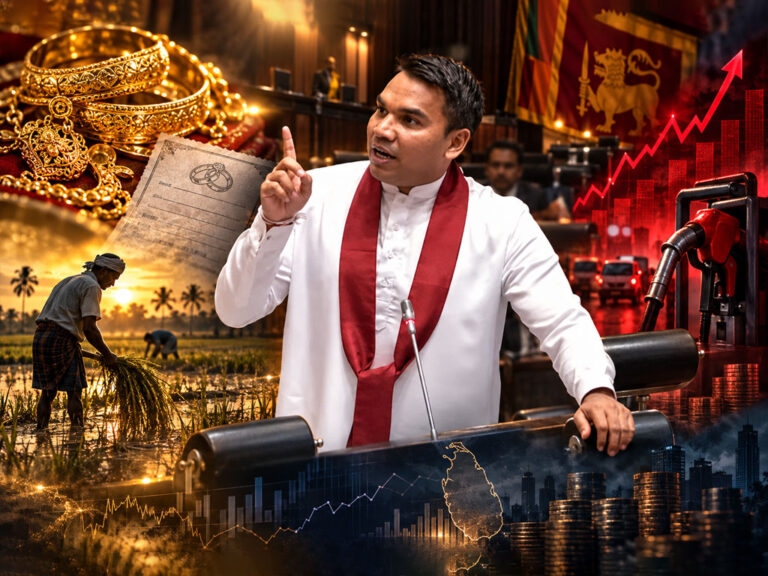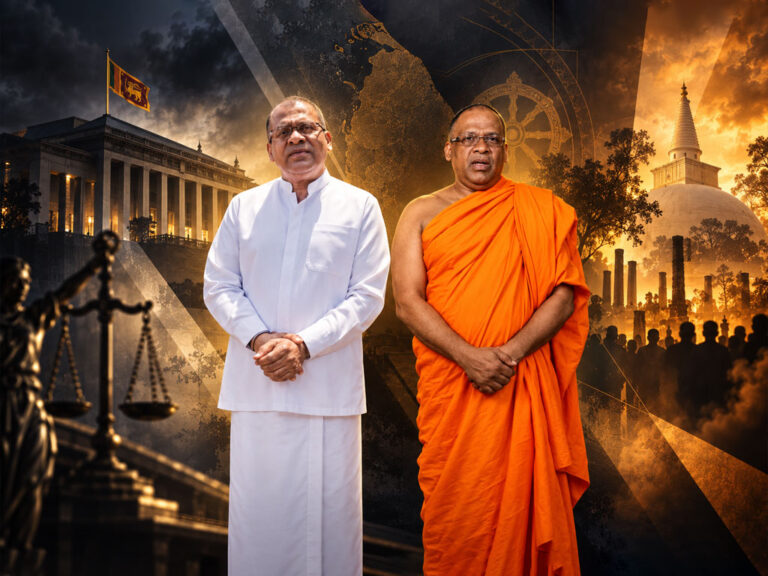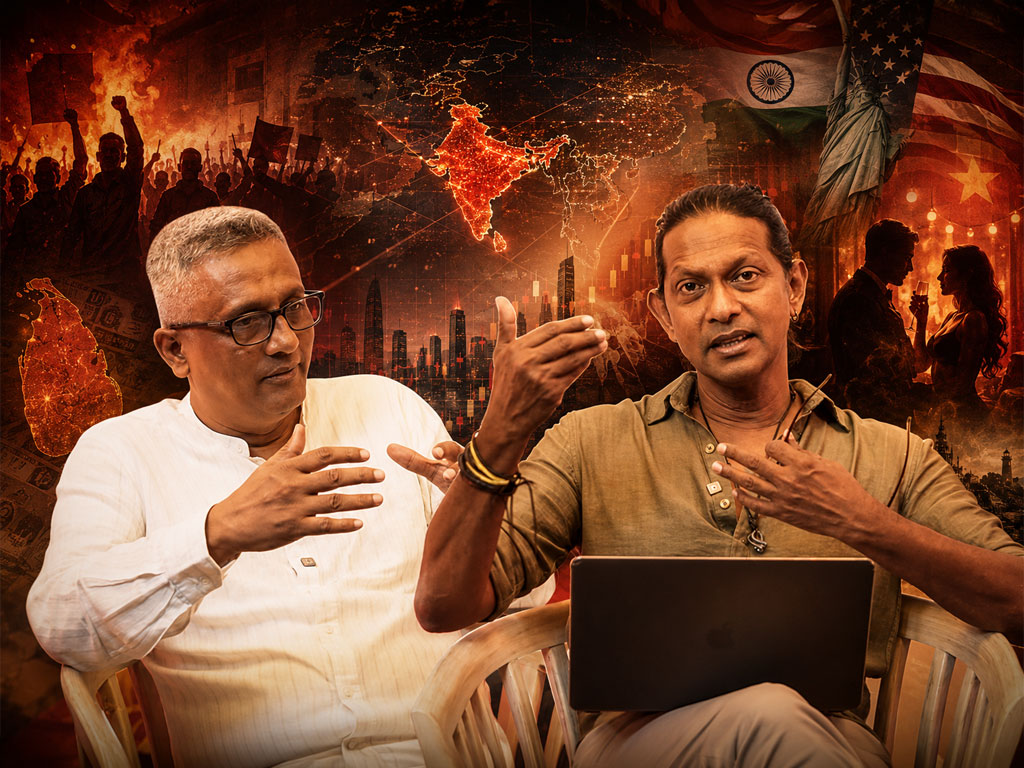
Deepthi Kumara analysis explores global youth protests, financial wars, human desire and Sri Lanka’s growing sugar relationship culture.
Deepthi Kumara analysis has examined global youth protests, financial wars and the spread of sugar daddy culture in Sri Lanka, linking them to wider political, economic and psychological forces.
Speaking on TV Supreme’s “IF – Smart Casual”, hosted by Narada Bakmeewewa, Gunarthna traced the development of youth and student movements from the early 20th century to the present day. He argued that protests in countries such as India do not always emerge only from domestic demands for reform or systemic change.
According to Gunarthna, geopolitical pressure and the international agendas of major powers, including the United States and China, can influence these movements. He said social media and American cultural influence, often described as Americanization, have encouraged young people in several countries to adopt similar protest methods and styles.
Get Breaking News First
on WhatsApp

Deepthi Kumara analysis of India’s powerful state
Gunarthna contrasted India’s political system with Sri Lanka’s state structure. He described the Indian state, its intelligence agencies, including RAW, and its capitalist class as powerful and organized.
As a result, he argued, stone-throwing, disorder and anarchic demonstrations cannot easily force India’s rulers to change direction. His analysis suggested that powerful states can absorb unrest more effectively because their institutions, security structures and economic interests operate with greater coordination.
Financial wars and Sri Lanka’s missed opportunity
Turning to global military tensions, Gunarthna said conflicts in the Middle East and tensions between the United States and Iran extend beyond capturing commercial markets.
He argued that financial wars also seek to prevent emerging Gulf and Asian economies from escaping American dependency. In his view, maintaining control over global financial markets remains a central objective behind these conflicts.
Gunarthna identified opportunities for Sri Lanka after wars. He said post-war reconstruction could create demand for workers and help Sri Lanka earn foreign exchange through overseas employment.
However, he warned that the country may lose those opportunities because the current political authority has failed to provide adequate vocational training. Without a trained workforce, Sri Lanka may struggle to compete for jobs created during reconstruction.
Sugar daddy culture and the cycle of human desire
Gunarthna then examined the psychological nature of desire. He said human desire does not end when people achieve what they want. Instead, satisfaction can quickly produce a new form of dissatisfaction.
Once a person reaches physical or economic comfort, he argued, an inner discomfort may push that person to seek dissatisfaction while presenting it as contentment.
He connected this cycle to sugar daddy culture and sugar mommy relationships. In Western societies, he said, such arrangements often operate openly on a material basis.
However, he argued that problems arise when Sri Lankan society tries to attach love, affection and traditional values to relationships built primarily around material exchange.
The discussion warned that this confusion can damage individual lives, weaken family institutions and threaten children’s futures. It also highlighted how imported relationship models can become destructive when society disguises their material foundations with emotional or traditional expectations.

“IF – Smart Casual”, featuring Deepthi Kumara Gunarthna, airs every Tuesday at 9:30 p.m. on TV Supreme.